


Author: Site Editor Publish Time: 2025-10-24 Origin: Site
Last updated: August 30, 2026
In today’s European industrial and commercial heating landscape, infrared solutions are increasingly selected for their precision, efficiency, and flexibility. For B2B professionals evaluating heating infrastructure, the category of infrared heating tubes is particularly relevant—especially given their application in high-ceiling spaces, manufacturing lines, curing ovens, and other heating-intensive contexts.
This article examines the European market, outlines key selection criteria, and discusses how to categorize and specify infrared heating tubes in a way that delivers high performance, compliance, and long-term value.
Before diving into specification details, it’s worth summarizing why infrared heating tubes have strong traction across European markets:
Direct and efficient heating: Infrared radiant systems heat surfaces and objects directly rather than simply warming ambient air, translating into faster response times and lower heat losses.
Industrial productivity: In manufacturing and process applications, they offer rapid heat-up and cooldown, precise zone control, minimal contamination, and efficient energy conversion to radiation.
Regulatory alignment: European industries face growing energy-efficiency standards and emission-reduction mandates. Infrared heating helps companies meet sustainability and regulatory goals.
Market growth: The European infrared heating tubes and radiant systems market continues to expand, driven by automation, drying and curing processes, and retrofits of large open spaces.
For many B2B heating applications across Europe, specifying an infrared heating tube system offers a compelling combination of performance, flexibility, and sustainability.
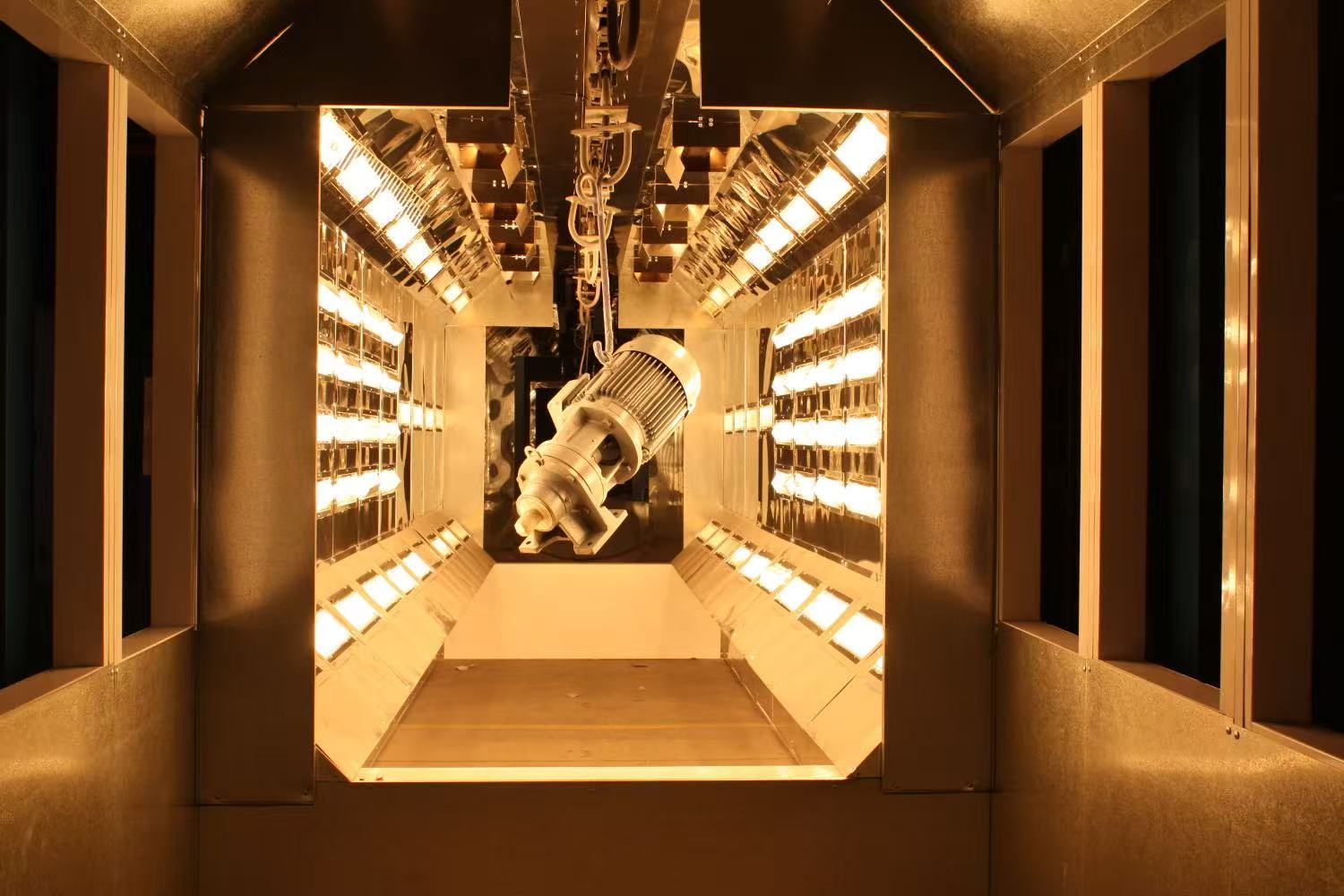
Understanding the technology and how various types of infrared heating tubes differ is essential. Below are the main categories you will encounter, along with their advantages, limitations, and typical use cases.
These emit radiation at shorter wavelengths, generating rapid surface and sub-surface heating.
Applications: Metal preheating, paint curing, high-speed drying, and plastic forming.
Advantages: Extremely fast response, high radiant flux, ideal for high-intensity processes.
Considerations: Heat intensity may require shielding or special reflectors to prevent hot spots.

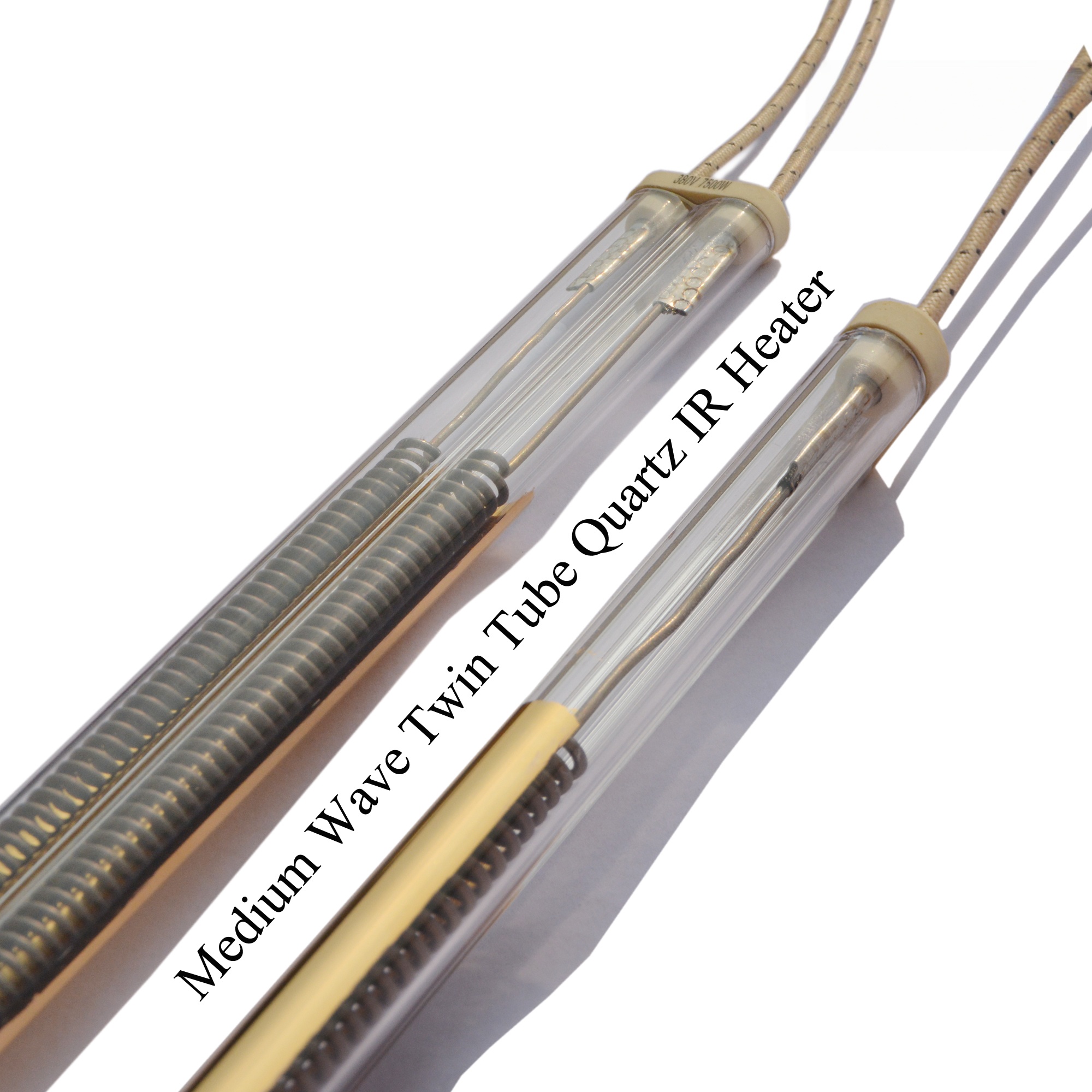
Often the most balanced choice for general industrial heating applications.
Applications: Powder coating, paper drying, textile heating, and PET processing.
Advantages: Quick response, even heat distribution, manageable surface temperatures.
Considerations: Requires proper reflector design and geometry for maximum efficiency.
Emit longer wavelengths absorbed primarily on the surface of materials.
Applications: Space heating, comfort zones, wellness facilities, and food processing.
Advantages: Gentle, uniform heat suitable for people and temperature-sensitive materials.
Considerations: Slower response, less penetration, lower intensity compared to short-wave.

Infrared heating tubes differ in construction material, affecting performance and longevity:
Quartz tubes – common for medium-wave; high transparency, efficient emission.
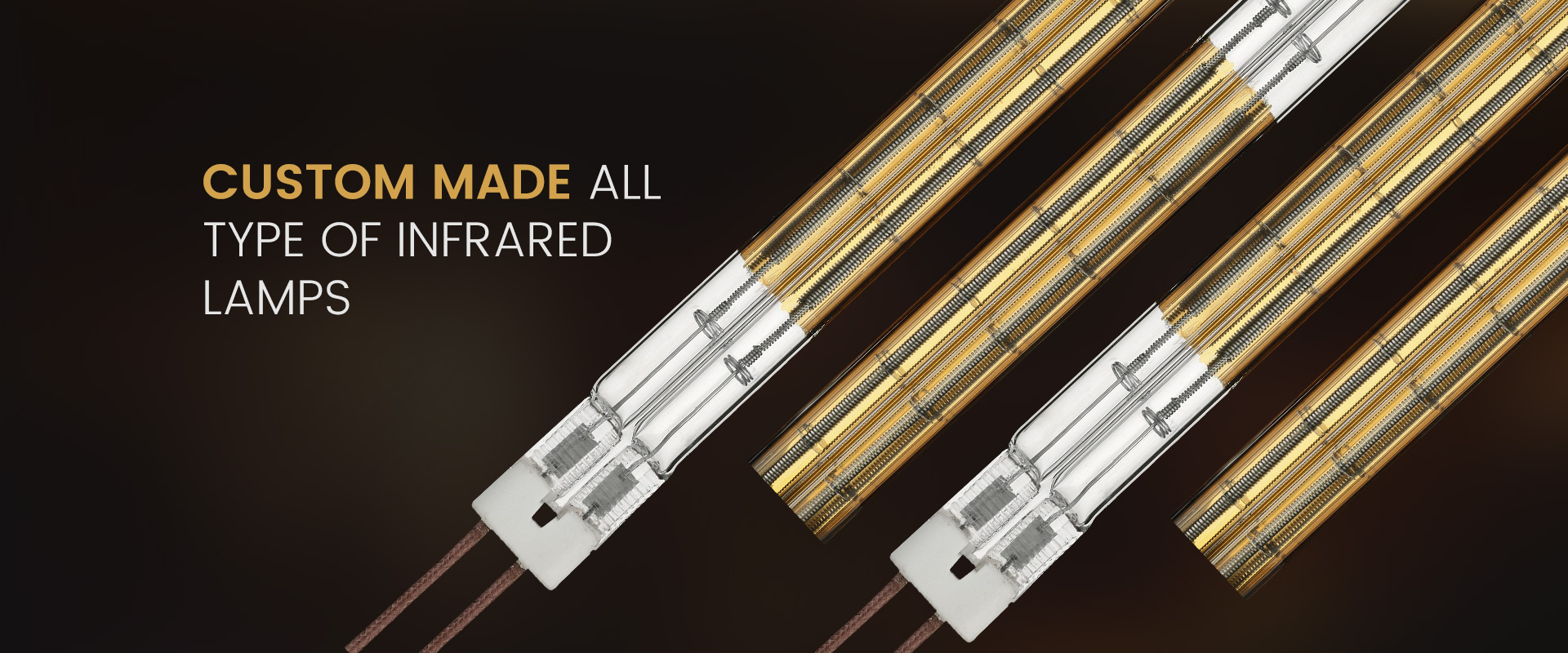
Ruby or gold-coated tubes – enhance short-wave emission, reduce glare.
Ceramic tubes – used in far-infrared systems for comfort and drying.
Carbon fiber tubes – offer longer lifespan, energy efficiency, and stable output.

Infrared tubes are available as straight, twin-tube, or bent configurations. Integration factors include:
Mounting position and reflector geometry
Power supply (electric or gas-fired)
Control system compatibility (manual, automatic, or PLC)
Durability and serviceability in industrial environments
When sourcing or specifying infrared heating tubes for use in Europe, technical due diligence is crucial. The following checklist ensures that your system will deliver reliable, efficient, and compliant performance.
Emission wavelength match: Ensure the infrared wavelength aligns with the material’s absorption characteristics.
Power density: Specify the radiant output required per area or per process line.
Response time: Evaluate warm-up and cooldown rates—important for process control.
Uniformity: Check that heating is evenly distributed to avoid temperature variations.
Penetration vs. surface heating: Match the wavelength to your process needs.
Tube material: Choose between quartz, ruby, ceramic, or carbon fiber depending on application temperature and durability.
Reflector design: High-efficiency reflectors ensure maximum radiant transfer to the target surface.
Serviceability: Easy tube replacement and cleaning reduce downtime.
Expected lifetime: Compare rated operating hours and thermal cycle tolerance.
CE marking: Confirm that the product meets all European conformity requirements.
ErP and Eco-design standards: Ensure compliance with European energy efficiency directives.
Safety certification: Verify adherence to EN and IEC standards relevant to electrical safety and emissions.
Documentation: Installation instructions, technical data sheets, and safety guidelines must be provided in the local language.
Environmental responsibility: Preference for recyclable materials and low-emission operation supports sustainability goals.
Geometry: Match tube length, reflector shape, and installation height to the environment.
Electrical compatibility: Verify voltage, phase, and connection type.
Control systems: Include zoning, temperature feedback, and integration with facility automation.
Maintenance access: Ensure adequate space and accessibility for periodic cleaning or replacement.
Initial cost: Includes tube, reflector, and mounting hardware.
Operational efficiency: Energy consumption and cycle control affect long-term savings.
Maintenance cost: Consider expected lifespan, replacement intervals, and ease of service.
Reliability: Durable tubes with stable emission reduce unplanned downtime.
To understand how infrared heating tubes are applied in real environments, let’s review several representative European use cases.
Scenario: High-ceiling manufacturing halls or logistics facilities requiring localised heating.
Solution: Medium-wave infrared tubes with optimized reflectors.
Benefits:
Quick, targeted heat delivery to occupied zones.
Minimal energy waste on unused air volume.
Adaptable zoning for energy savings.
Scenario: Industrial lines for powder coating, printing, or adhesive curing.
Solution: Short-wave or medium-wave tubes with quartz or ruby envelopes.
Benefits:
Rapid temperature rise and precise process control.
Consistent surface heating for uniform curing quality.
Reduced cycle time and improved production efficiency.
Scenario: Covered outdoor workstations, warehouses, or public areas.
Solution: Far-infrared tubes or ceramic emitters designed for ambient comfort.
Benefits:
Warmth in open environments without heating the air.
Long-lasting components suitable for harsh conditions.
Efficient operation even in drafty spaces.
The European market for infrared heating tubes continues to evolve. Several key trends influence procurement and product development:
Energy efficiency as a regulatory driver: EU directives demand higher efficiency standards, promoting infrared technology adoption.
Sustainability and emissions reduction: Low-emission heating aligns with corporate and governmental carbon-reduction goals.
Automation and smart control: Integration with digital systems enables adaptive zoning and precise thermal control.
Material innovation: Carbon fiber and advanced coatings improve performance and longevity.
Retrofit opportunities: Many facilities are upgrading from convection systems to radiant tube heating to save energy and improve comfort.
Localized support: European buyers increasingly prefer suppliers that offer technical service and fast replacement logistics within the region.
Use this table as a practical guide when preparing a tender or technical comparison for infrared heating tubes in Europe.
| Category | Evaluation Points |
|---|---|
| Performance | Emission wavelength, power density, heat uniformity, response time |
| Construction | Tube material, reflector quality, mounting components |
| Compliance | CE certification, Eco-design standards, safety documentation |
| Integration | Voltage/fuel type, control system interface, zoning capability |
| Maintenance | Accessibility, expected lifetime, service intervals |
| Economics | Purchase price, energy use, TCO analysis |
| Supplier Capability | European distribution, technical support, after-sales service |
By rating each supplier or model against these criteria, B2B buyers can make evidence-based decisions that go beyond price and focus on long-term operational value.
When sourcing infrared heating tubes from a European or global supplier, follow these practical steps:
Define requirements clearly: Specify application type, heating area, target temperature, and duty cycle.
Request technical data: Obtain emission spectra, rated power, lifetime hours, and reflector efficiency.
Verify compliance: Ensure CE marking, conformity declarations, and local documentation.
Evaluate system layout: Request thermal simulation or radiation mapping for optimal tube placement.
Check service infrastructure: Confirm spare parts, lead times, and technical assistance availability.
Assess integration flexibility: Ensure compatibility with existing control systems and voltage standards.
Compare lifetime cost: Calculate operational energy savings and replacement frequency to determine real ROI.
Plan preventive maintenance: Schedule inspections to maintain reflector efficiency and output stability.
Selecting the right infrared heating tube for industrial or commercial applications in Europe requires careful evaluation of performance, compliance, and operational cost. By understanding the differences among short-wave, medium-wave, and far-infrared technologies—and by applying structured selection criteria—procurement professionals can specify systems that deliver measurable efficiency gains and long-term reliability.
Infrared heating tubes are well aligned with Europe’s energy-efficiency objectives, offering rapid response, clean operation, and modular installation options. Whether the project involves process heating, space heating, or a specialized manufacturing line, a well-chosen infrared system can provide sustainable performance and a competitive edge in the evolving European market.
Review YFR industrial infrared heating lamps and heating modules and controls. Confirm emitter choice, mounting, sensing and recipes with representative product trials.
Send YFR your material, dimensions, target, cycle time and current equipment details for an application-specific review.