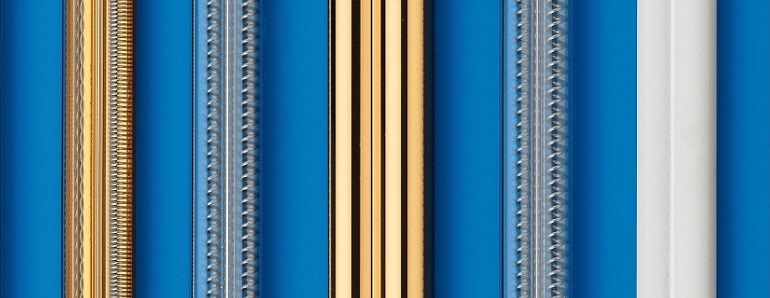
This article compares **traditional heat lamps** and **infrared heating lamps**, clarifying their core differences in heating mode, efficiency, and application scenarios. Traditional lamps suit simple local warming but lack precision, while industrial infrared lamps feature direct radiant heating, faster response, better process control, and lower energy loss. Highlighting material absorption, wavelength matching, and system design, it recommends infrared for drying, curing, and manufacturing processes, guiding buyers to choose based on process needs rather than superficial heat intensity.
Discover the key differences between infrared and quartz heating. Learn how each works, their pros and cons, and which is better for your home or business with Yinfrared’s expert insight.
This article focuses on infrared dryer selection for flexographic printing, noting that drying issues trigger a chain of print defects such as set-off, smudging, ghosting, and register drift. Proper IR drying acts as targeted process intervention, balancing evaporation without overheating substrates. Key factors include substrate type, ink system, line speed, zoning, and air management. IR works best as a localized boost, often combined with hot air, to stabilize drying while preserving web dimensional stability.