Home » News

News

Infrared Heaters for Wood Drying: Selection Guide for Timber, Veneer and Hybrid Kiln Systems

Infrared heating can support wood drying, but it does not replace moisture migration, airflow, humidity control, and an appropriate drying schedule. It is most effective for veneer, thin boards, surface drying, pre-drying, wood coatings, adhesive curing, and hybrid infrared-and-hot-air systems. Thick timber generally requires slower and more carefully controlled drying because moisture inside the wood must move toward the surface before it can be removed. This guide explains where infrared heaters fit in timber processing, how short wave, medium wave, and carbon infrared emitters behave, and when a complete IR drying module is more suitable than separate lamps.

Read More
Gold Tube Heater or Standard Outdoor Heater Which Delivers Better Performance
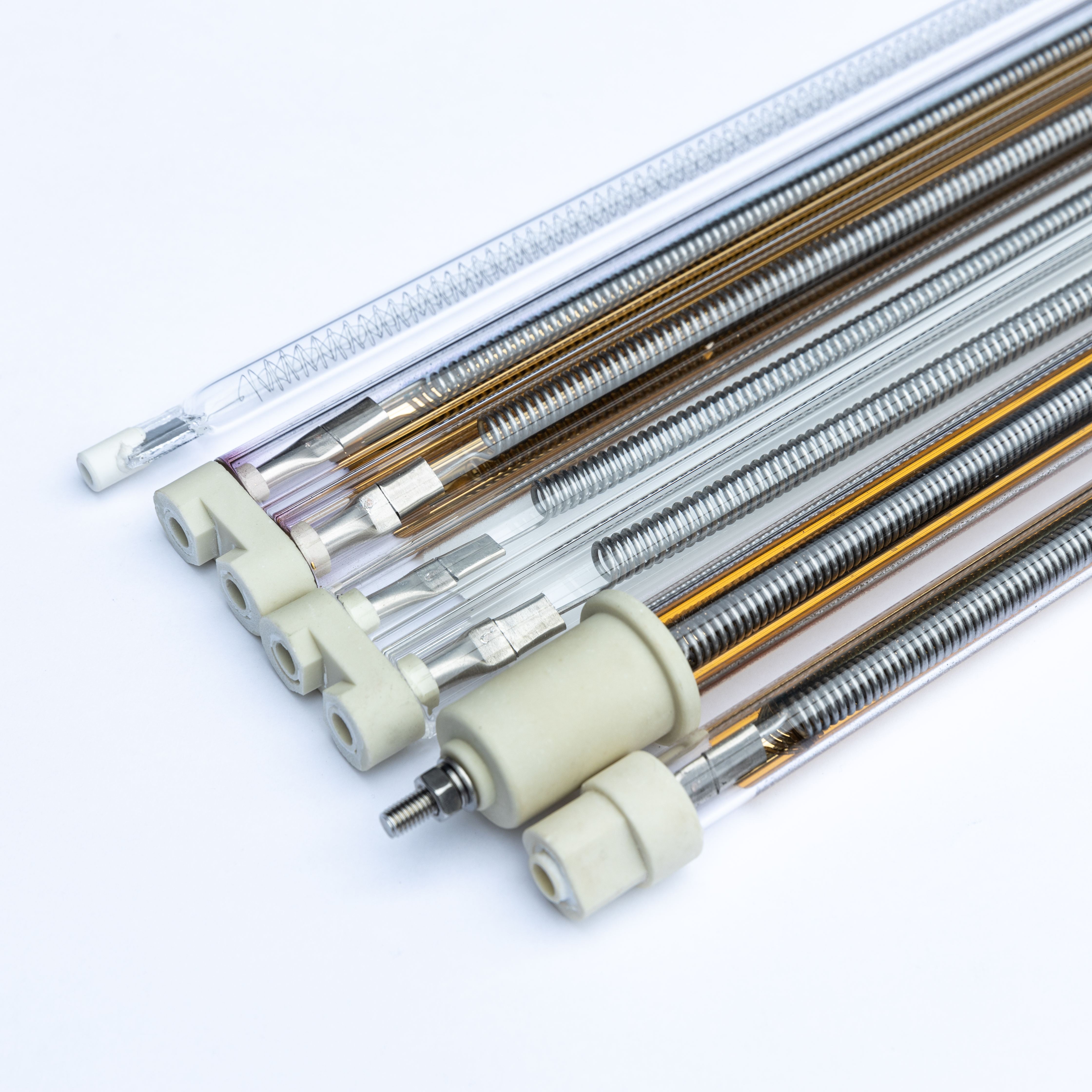
Gold, rose gold, and standard quartz infrared tubes are heating elements used inside electric infrared heaters, but they are not complete outdoor heaters by themselves. Their appearance, coating structure, radiant output, visible light, dimensions, and customization options can affect the final heater design. However, weather resistance, IP rating, electrical safety, control functions, and outdoor certification depend on the complete heater enclosure and system. This guide compares gold and standard quartz tubes from an OEM and heater-manufacturing perspective and explains what buyers should specify when selecting infrared heating elements for patio, terrace, restaurant, hotel, and commercial outdoor heaters.
Read More
Infrared Heating for Glass Processing: Emitters for Cutting, Lamination, Bending and Coating
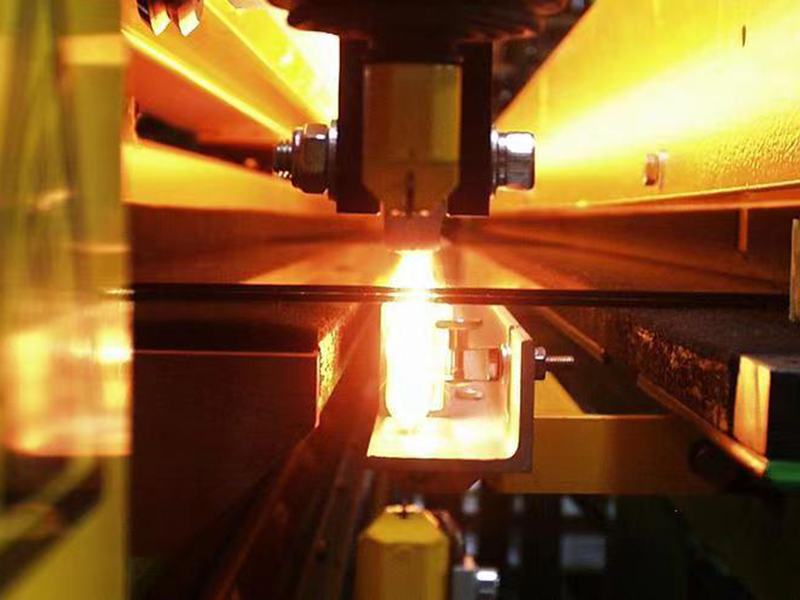
Infrared heating is used in glass processing for laminated glass cutting, PVB and EVA interlayer heating, coating and ink drying, bending, forming, preheating, annealing, and controlled thermal treatment. Different glass processes require different infrared wavelengths, heating-zone widths, reflector structures, and control methods. Fast medium wave emitters with directional reflectors are useful for narrow-line PVB heating, while medium wave emitters and heating modules can support wider and more uniform processing zones. This guide explains how to choose infrared emitters for glass processing and when separate lamps, reflector lamps, or complete heating modules are more suitable.
Read More
LED-UV vs Mercury UV Lamps for Printing Press Curing
LED-UV and mercury UV lamps are both used in printing press curing systems, but they are not replaced in the same way. Mercury UV lamp replacement usually focuses on lamp code, power, voltage, total length, arc length, lamp diameter, cap type, and connector structure. LED-UV module replacement requires additional checks such as wavelength, power output, water-cooling method, module length, working width, cable direction, mounting holes, and control interface. This guide explains the main differences and helps printing buyers choose the correct replacement direction.
Read More
How To Send A UV Lamp Or LED-UV Module Sample for Replacement Confirmation
Replacing a UV lamp or LED-UV module requires more than a machine model or product name. To confirm a suitable replacement, buyers should provide clear photos, original lamp code or module label, wavelength, power, arc length, total length, cooling method, connector type, cable direction, mounting structure, and application equipment. This guide explains what information to send before quotation and how YFR evaluates UV lamp and LED-UV module replacement projects.
Read More
Heidelberg DryStar LED-UV Replacement Guide for Printing Presses
Replacing a Heidelberg DryStar-type LED-UV module is not the same as buying a standard UV lamp. The correct replacement depends on the press model, original module structure, wavelength, power output, cooling method, connector type, cable direction, mounting holes, and control interface. This guide explains what printing plants, service teams, and spare parts buyers should confirm before ordering a replacement LED-UV module.
Read More
Paint Curing Efficiency Short Wave IR Lamps Compared to Medium Wave
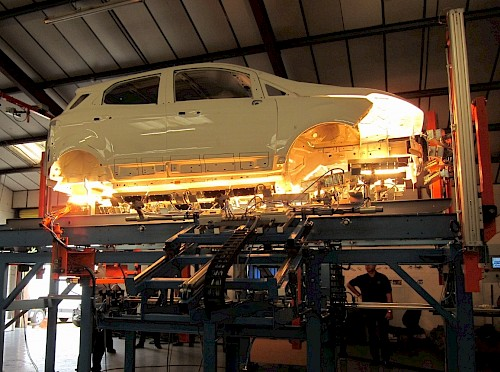
Short wave and medium wave IR lamps can both be used for paint curing, coating drying, and industrial finishing lines, but they behave differently. Short wave IR lamps provide faster response and higher radiant intensity, making them suitable for rapid curing, spot repair, metal substrates, and high-throughput paint lines. Medium wave IR lamps provide gentler and more uniform heating, making them suitable for water-based coatings, sensitive substrates, larger heating areas, and controlled drying processes. This guide compares short wave and medium wave infrared lamps for paint curing and explains how to choose the right solution based on paint type, substrate, heating distance, reflector design, power control, and production requirements.
Read More
Infrared printing lamp alternatives for Heidelberg printing machines
This article delivers a practical decision-making framework for Heidelberg press (especially Speedmaster series) users assessing drying system alternatives, addressing core pain points like press speed limits, unstable drying, and rising maintenance costs. It systematically compares IR lamp replacement, UV, LE UV, and LED UV upgrades across suitability, upfront/running cost, retrofit complexity, and core use cases, details critical compatibility checks, replacement specification checklists, and a replacement-upgrade decision matrix, guiding users to select the optimal solution matching their production goals and commercial needs.
Read More
Infrared vs Quartz Heating: Key Differences, Efficiency, and Best Choice for You | Yinfrared
Infrared heating and quartz heating are widely used in industrial thermal processes such as drying, curing, printing, coating, PET blow molding, and plastic forming. While they are often compared as alternatives, quartz heating is actually a subset of infrared heating technology. The real difference lies in system design, wavelength control, efficiency, and application suitability. This article explains the technical differences between infrared and quartz heating and how to choose the right solution for industrial manufacturing systems.
Read More
Traditional Heat Lamps vs Infrared Heating Lamps: Which Is Better for Efficient Heating?
This article compares **traditional heat lamps** and **infrared heating lamps**, clarifying their core differences in heating mode, efficiency, and application scenarios. Traditional lamps suit simple local warming but lack precision, while industrial infrared lamps feature direct radiant heating, faster response, better process control, and lower energy loss. Highlighting material absorption, wavelength matching, and system design, it recommends infrared for drying, curing, and manufacturing processes, guiding buyers to choose based on process needs rather than superficial heat intensity.
Read More
  • Total 22 pages  Go to Page
  • Go

YFR Infrared Heating
YFR is an industrial infrared heating manufacturer specializing in custom quartz IR lamps, replacement infrared lamps, gold reflector emitters, heating modules, and control systems for printing, coating, PET blow molding, paint curing, plastic forming, and industrial drying equipment.

Product Category

Applications

Contact Us

Copyright © 2022 Huai'an Infrared Heating Technology. All Rights Reserved.| Sitemap  Supported By Leadong