Author: Site Editor Publish Time: 2025-08-19 Origin: Site
Last updated: August 29, 2026
Infrared heaters can create a local warm zone for livestock without heating the whole building to the same temperature. Safe performance depends on species and age, mounting height, ventilation, moisture, dust, combustible clearances and electrical protection. Animal behaviour should support—not replace—measured conditions.
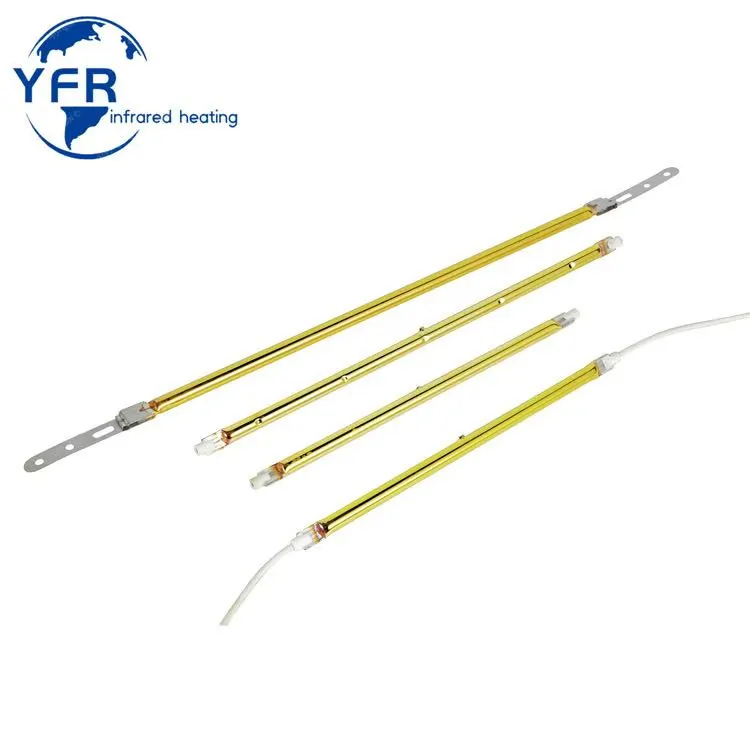
Obtain temperature and welfare guidance for the species, age and housing system. Provide a temperature gradient so animals can move toward or away from the heater. Avoid designing the entire area around one spot measurement.
Follow the heater manufacturer's minimum height and clearance. Map the warmed floor area and check that bedding, feeders, partitions and animals cannot contact the heater or wiring. A guard must not block required cooling or create a trap for dust.
| Area | Check |
|---|---|
| Structure | Secure mounting, clearances and protective guard |
| Electrical | Correct supply, earthing, cable protection and isolation |
| Environment | Moisture, dust, washdown and enclosure suitability |
| Control | Sensor location, thermostat limits and restart behaviour |
| Operation | Warm-zone temperature and animal distribution |
Radiant heat does not remove humidity, ammonia, dust or combustion products from other equipment. Maintain the required ventilation while protecting animals from cold draughts. Do not reduce ventilation solely to save heating energy.
Look for damaged guards, loose mounting, darkened terminals, contaminated reflectors, frayed cables and accumulated bedding or dust. Isolate power before cleaning. Use only replacement lamps that match the heater's electrical and mechanical specification.
Review YFR protected infrared heaters and control options.
No. Heat requirement and safe coverage change with species, age, stocking and housing conditions.
Not automatically. Dust, ammonia, washdown, mounting and local electrical rules also matter.
Place and shield it to represent the occupied zone, then verify readings against floor-level conditions.
It is a useful observation, but temperature, ventilation and welfare conditions still need measurement.
Send YFR the housing dimensions and environmental conditions for a heater compatibility review.


