Home » News » Industry News » Why The Right UV Lamp Makes All The Difference for Quick Product Curing

Why The Right UV Lamp Makes All The Difference for Quick Product Curing

Views: 0     Author: Site Editor     Publish Time: 2025-07-17      Origin: Site

Inquire

facebook sharing button
twitter sharing button
line sharing button
wechat sharing button
linkedin sharing button
pinterest sharing button
whatsapp sharing button
sharethis sharing button

In many production environments, the real bottleneck is not mixing, coating, or printing—it is curing. Coated parts, printed webs, adhesive joints, and gel products often sit waiting for heat or air to do their work, stretching lead times from minutes into hours or even days.

A correctly designed UV curing system, built around the right lamp, changes that dynamic completely. Liquid coatings, inks, resins, and gels can be converted into fully cured, ready-to-handle surfaces in seconds, without overheating substrates or filling the plant with solvent fumes.

This article provides a practical, technically grounded overview of why UV lamps are so powerful for fast product curing, how the underlying technology works, and how to select and maintain a lamp system that delivers repeatable, high-quality results. The focus is on real engineering considerations rather than brand promotion.

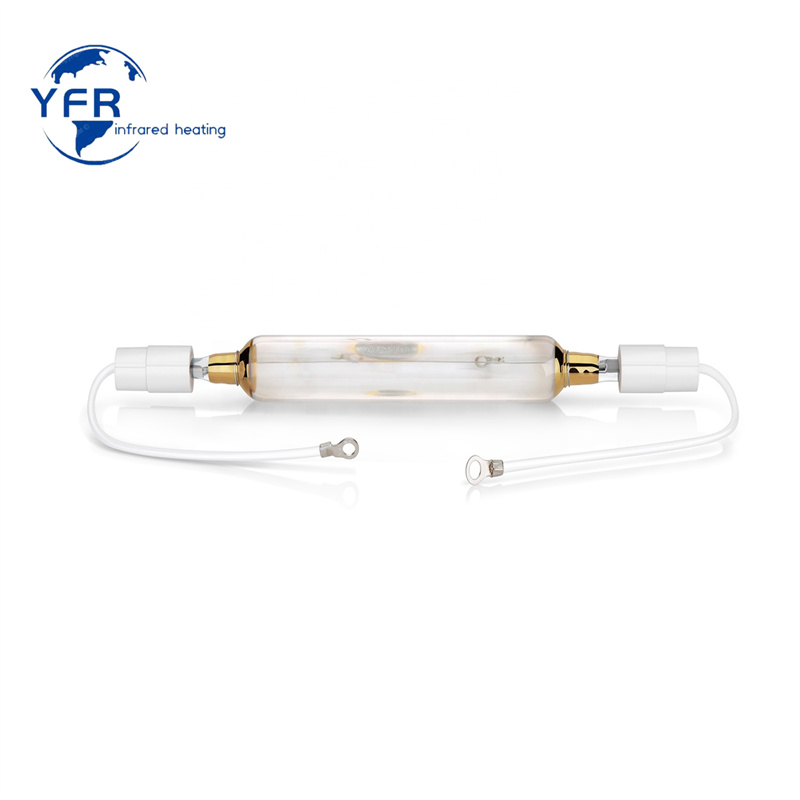
yfr uv lamp1

1. Fundamentals: How UV Curing Works

1.1 UV light and photoinitiators

Most UV-curable formulations (inks, coatings, adhesives, gels) are built around three key components:

  • Oligomers or resins – create the cured polymer network.

  • Reactive diluents or monomers – adjust viscosity and cross-link density.

  • Photoinitiators – absorb UV light and start the chemical reaction.

When the formulation is exposed to UV radiation, photoinitiator molecules absorb photons at specific wavelengths. This excitation produces highly reactive species (free radicals or cations), which trigger polymerization: small molecules link together into a solid three-dimensional network.

The result is a rapid transition from liquid to solid with:

  • Very short curing times, often fractions of a second to a few seconds.

  • Minimal shrinkage compared with purely thermal systems.

  • Excellent adhesion and chemical resistance when the process is correctly designed.

1.2 UV wavelength ranges that matter

From a curing perspective, most systems rely on the UVA portion of the spectrum, with some applications also using UVB. UVC is mainly used for disinfection, not curing.

  • UVC: approximately 200–280 nm – highly energetic and germicidal; used for sterilization.

  • UVB: approximately 280–320 nm – more energetic than UVA; used in some specialty processes.

  • UVA: approximately 320–400 nm – the workhorse for curing coatings, inks, and adhesives.

Modern UV LED curing systems typically operate at 365, 385, 395, or 405 nm, or combinations of these, to match common photoinitiator absorption peaks.

For high-performance curing, the lamp’s emission spectrum must overlap closely with the photoinitiator’s absorption spectrum. A mismatch can cause:

  • Surface cure but under-cured bulk (or the opposite).

  • Weak bond strength and poor mechanical performance.

  • Reduced chemical resistance and premature field failures.

This is why lamp selection must always be linked to formulation selection.


2. UV Lamp Technologies and Their Impact on Curing

The phrase “UV lamp” can refer to several different technologies. Each has implications for curing speed, efficiency, and process control.

2.1 Medium-pressure mercury and metal-halide lamps

Traditional industrial systems often use medium-pressure mercury lamps or metal-halide variants:

  • An electric arc runs through a quartz tube containing mercury and, in some cases, metal halide additives.

  • The arc generates intense broadband UV, extending into visible and infrared.

  • Reflectors shape and focus the radiation onto the product.

Key advantages:

  • High peak intensity and broad spectral output.

  • Proven in many legacy systems and existing production lines.

  • Suitable for high-speed web and sheet processes.

Limitations:

  • Significant infrared heat output, risking thermal damage to heat-sensitive substrates.

  • Warm-up and cool-down times; not truly instant on and off.

  • The presence of mercury, which is an environmental and regulatory concern.

Metal-halide fills are often used to shift and reshape the spectrum toward specific application needs, for example improving penetration in pigmented inks or thicker coatings, but they still operate on the same basic principle.

2.2 UV LED lamps

UV LED curing systems have grown rapidly due to improvements in chip technology and optics:

  • They emit in narrow bands, typically at 365, 385, 395, or 405 nm.

  • They turn on and off instantly with no warm-up period.

  • They generate much less heat in the direction of the product.

Key benefits compared with mercury-based lamps:

  • Energy efficiency: UV LED systems can significantly reduce energy consumption, especially when combined with intelligent power control and standby modes.

  • Longer service life: Typical service life is much longer than that of many mercury arc lamps before significant degradation occurs.

  • Lower heat load: Less infrared radiation reaches the product and surrounding environment, simplifying thermal management and reducing cooling requirements.

  • Environmental profile: No mercury, reduced ozone generation, and easier compliance with environmental regulations.

These properties make UV LED lamps especially attractive for:

  • Heat-sensitive substrates such as certain plastics, composites, and electronics.

  • Applications where frequent on/off cycling is required.

  • Facilities with energy-reduction targets or strict environmental rules.

2.3 Why lamp choice directly affects curing performance

Because different lamp technologies and fills produce different spectra and intensities, the lamp is not a generic component. It is a critical part of the curing “recipe”:

  • The wrong wavelength profile may not properly activate photoinitiators.

  • Insufficient irradiance (W/cm²) or dose (J/cm²) leads to incomplete curing.

  • Excessive infrared can cause warping, discoloration, or substrate damage.

Selecting the right lamp technology is therefore the foundation for achieving both fast and reliable curing.

yfr uv lamp2


3. Speed, Throughput, and Quality: UV vs Traditional Methods

3.1 Curing speed and line throughput

In thermal or air-dry systems, heat must travel through the coating and often through the substrate itself:

  • Drying times can range from tens of minutes to many hours.

  • Production lines require long ovens or large buffer areas.

  • Variability in ambient conditions, such as temperature and humidity, impacts quality.

By contrast, UV curing is driven by a photochemical reaction, not bulk heating. With the correct lamp, dose, and formulation:

  • Coatings and inks can reach handling strength in under a second.

  • Typical exposure times are fractions of a second to a few seconds, depending on layer thickness and line speed.

  • Production lines can be dramatically shortened, with less floor space dedicated to drying or staging.

Printing and coating lines that previously ran at modest speeds under hot-air ovens can often run at significantly higher speeds once upgraded to UV curing, while still achieving full cure and immediate downstream handling.

3.2 Comparison with heat and chemical curing

A simplified comparison highlights the process differences:

  • UV curing

    • Curing time: seconds.

    • Energy use: focused where needed, relatively low system-wide.

    • Temperature rise: limited; substrate core temperature often remains close to ambient.

    • Emissions: minimal, especially with low-volatile UV formulations.

  • Heat/air drying

    • Curing time: minutes to hours.

    • Energy use: high; large ovens and air handling are required.

    • Temperature rise: significant, increasing risk of warping or shrinkage.

    • Emissions: dependent on solvents and resins; often requires exhaust treatment.

  • Two-component or moisture-cure chemical systems

    • Curing time: from minutes to days depending on chemistry.

    • Process sensitivity: highly dependent on mixing accuracy and environmental conditions.

    • Emissions: can involve solvents or other reactive chemicals.

When properly designed and controlled, UV curing delivers faster throughput with more consistent curing conditions and simpler environmental control compared with many traditional methods.

yfr uv lamp3


4. Where the Right UV Lamp Really Shines: Key Applications

4.1 Printing and coating

In printing, packaging, and industrial coating lines, UV lamps enable:

  • Instant drying of inks and varnishes on paper, board, plastic films, and metal.

  • High-gloss, scratch-resistant overprint varnishes and clear coats.

  • Reduced blocking and stacking defects, because sheets are cured before stacking.

  • Higher line speeds and shorter delivery times.

A well-matched lamp system allows operators to adjust irradiance and conveyor speed to match job requirements, keeping color density, gloss, and adhesion within tight tolerances.

4.2 Electronics and industrial assembly

In electronics and assembly applications, UV-curable adhesives and potting resins are used for:

  • Bonding glass, plastics, and metals in sensors, cameras, and displays.

  • Coating printed circuit boards for moisture and chemical protection.

  • Encapsulation of delicate components and connectors.

Here, the lamp must provide enough energy to cure through:

  • Part geometries with shadows and recesses.

  • UV-stabilized plastics that absorb or scatter incoming radiation.

  • Thicker adhesive layers and complex joints.

Narrow-beam or focused UV LED modules are often used to target specific bond lines, while flood lamps cover broader areas. Matching wavelength and intensity to the adhesive’s photoinitiator system is critical to avoid partially cured regions that could cause latent failures during service.

4.3 Medical and life-science devices

UV curing is widely used for medical devices such as:

  • Syringes and catheters.

  • Diagnostic cartridges and microfluidic devices.

  • Hearing aids and wearable health products.

Key requirements in these sectors include:

  • High bond strength and long-term moisture resistance.

  • Controlled, reproducible curing at moderate temperatures.

  • Compatibility with biocompatible UV-curable formulations.

Precision control of dose and temperature, combined with careful validation using pull tests, leak tests, and accelerated aging, is essential to demonstrate compliance with regulatory and quality requirements.

4.4 Beauty and consumer nail applications

In the beauty industry, UV nail lamps cure gel polishes and similar products within tens of seconds to a few minutes, delivering durable, glossy finishes that can last for weeks. Modern devices typically use UVA LEDs rather than broad-spectrum lamps, which simplifies safety control and reduces emission of shorter, more damaging wavelengths.

Best practices in salons and at home include:

  • Limiting exposure times to the minimum needed for full cure.

  • Following manufacturer recommendations on curing cycles.

  • Using broad-spectrum sunscreen or protective fingerless gloves where appropriate.

  • Ensuring the lamp conforms to recognized safety and performance standards.

When these guidelines are followed, and exposure is limited to short, intermittent sessions, modern UVA nail lamps are generally considered low risk within normal usage patterns.


5. How to Choose a UV Lamp for Fast, Reliable Curing

Choosing a UV lamp requires more than checking power and price. It calls for a structured engineering approach.

5.1 Match wavelength to photoinitiator and substrate

A basic three-step method is:

  1. Identify the photoinitiator system in the formulation.

  2. Obtain its absorption spectrum from the supplier or technical data sheet.

  3. Select lamp wavelengths that overlap strongly with the main absorption peaks.

In UV LED curing, the most common center wavelengths are 365, 385, 395, and 405 nm. Different photoinitiator packages are optimized for different portions of this range.

Additional considerations:

  • Substrate thickness and pigmentation:
    Thicker or heavily pigmented layers may block shorter wavelengths. A slightly longer wavelength, such as 395–405 nm, often penetrates deeper into such materials.

  • Surface versus through-cure balance:
    In some formulations, a multi-wavelength strategy or sequential exposure is needed to ensure both a hard, tack-free surface and full bulk cure.

5.2 Understand irradiance and dose

Two key parameters define how the lamp interacts with the product:

  • Irradiance (W/cm²): Instantaneous power at the surface.

  • Dose (J/cm²): Irradiance integrated over time, equal to irradiance multiplied by exposure time.

For a continuous process, dose is determined by:

  • Lamp output.

  • Distance from lamp to product.

  • Line speed and exposure geometry.

Engineering teams typically:

  1. Start with the formulation supplier’s recommended dose range.

  2. Use a radiometer to measure actual irradiance and dose at the product surface.

  3. Adjust lamp power, exposure time, and line speed until test pieces show full cure based on adhesion, hardness, solvent resistance, and other relevant criteria.

This measurement-driven approach is essential; relying only on nominal lamp ratings is not sufficient for high-reliability applications.

5.3 Consider intensity profile and uniformity

Uniform curing is just as important as achieving the correct total dose. When evaluating a lamp system, it is important to:

  • Review intensity distribution across the width of the cure area.

  • Check for edge fall-off or hot spots that may cause uneven cure.

  • Consider the working distance range over which the system maintains adequate intensity.

For complex geometries or three-dimensional parts, multiple lamp heads or carefully designed reflectors may be necessary to avoid shadowed regions and under-cured zones.

5.4 Application-specific design questions

Before specifying a lamp, it is useful to work through a short checklist:

  • What substrates and formulations are being cured?

  • What is the maximum layer thickness or adhesive gap?

  • What line speed or cycle time is required?

  • Is the substrate heat-sensitive or dimensionally critical?

  • Are there tight regulatory or reliability requirements, such as medical or automotive standards?

  • How much space is available for the curing station and shielding?

The answers determine whether a high-intensity arc lamp, a focused UV LED array, or a hybrid system is the most appropriate choice.
banner


6. Maintenance, Monitoring, and Safety: The Basis of Trustworthy Curing

Even the best UV lamp will not maintain its performance indefinitely. Light output decays over time due to aging of the lamp, optics, and reflectors.

6.1 Lamp aging and replacement

Good practice includes:

  • Scheduled intensity checks:
    Use a calibrated UV radiometer to measure irradiance at defined intervals, for example weekly or based on operating hours.

  • Service-life tracking:
    Maintain a log of operating hours for each lamp. Mercury lamps often have a relatively short replacement window, while quality UV LEDs can operate much longer before significant depreciation of output.

  • Preventive replacement:
    Replace lamps before intensity falls below the minimum required for full cure under worst-case line conditions, rather than waiting for visible defects or field complaints.

This approach reduces the risk of under-curing, which can be difficult to detect visually but has serious consequences in the field.

6.2 Cleaning and optical maintenance

Dust, overspray, and process residues can significantly reduce UV transmission. A robust maintenance program should include:

  • Regular cleaning of lamp windows, quartz sleeves, and reflectors with suitable, non-abrasive methods.

  • Inspection for discoloration, micro-cracks, or burned areas in quartz and reflectors.

  • Verification and adjustment of reflector alignment after maintenance or lamp replacement.

These steps help keep system output close to the original design and avoid unnecessary increases in lamp power to compensate for optical losses.

6.3 Safety, standards, and operator protection

UV radiation can be hazardous to skin and eyes if not properly controlled. Photobiological safety standards provide methods for characterizing UV output, classifying products into risk groups, and defining safe usage conditions.

A robust safety program typically includes:

  • Engineering controls

    • Enclosed curing chambers with interlocks on access doors.

    • Shields, curtains, or covers to prevent stray UV exposure.

    • Proper ventilation if ozone or volatile compounds are generated.

  • Administrative controls

    • Clear work instructions and operator training.

    • Restricted access during operation for non-essential personnel.

    • Maintenance procedures that require power isolation during service.

  • Personal protective equipment

    • UV-blocking safety glasses or face shields.

    • Protective clothing or gloves where exposure could occur.

Integrating these measures not only protects operators but also enhances the perceived and actual robustness of the process during customer and regulatory audits.


7. Looking Ahead: Trends in UV Lamp Technology

Several trends are reinforcing the advantages of UV curing and expanding its range of applications.

  • Higher-efficiency UV LEDs
    Ongoing improvements in chip efficiency and thermal management are pushing UV LED performance higher, further reducing energy use and lamp size while enabling more compact system designs.

  • Multi-wavelength and tunable systems
    Systems that combine multiple LED wavelengths in one head allow better matching to complex photoinitiator blends and greater flexibility across different products on the same line.

  • Automation and closed-loop control
    The integration of UV sensors, recipe management, and programmable logic controllers allows automated adjustment of lamp power and speed, guaranteeing dose consistency even as lamps age or product formats change.

  • Application-specific design
    Customized modules for narrow bond lines, inner surfaces, or large-area flood curing make it easier to integrate UV curing into diverse products, from three-dimensional printed parts to large composite structures.

These developments mean that choosing an appropriate UV lamp today is not just about replacing an existing heat source; it is about designing a more efficient, tightly controlled, and sustainable curing process.


Conclusion: Treat the UV Lamp as a Strategic Process Component

For any operation that relies on curing inks, coatings, adhesives, or gels, the UV lamp should be viewed as a core process component, not a simple accessory. The right lamp:

  • Activates the chosen photoinitiators efficiently.

  • Delivers the necessary dose within seconds at the desired line speed.

  • Protects sensitive substrates from thermal damage.

  • Reduces energy consumption and maintenance costs.

  • Supports operator safety and regulatory compliance.

To achieve this, engineering teams need to:

  1. Understand the chemistry, including photoinitiators, substrates, and thickness.

  2. Select lamp technology and wavelengths that align with those needs.

  3. Design for adequate irradiance, dose, and uniformity across the cure area.

  4. Implement rigorous maintenance, monitoring, and safety practices.

When these elements are in place, UV curing can transform production—turning curing from a persistent bottleneck into a tightly controlled, high-throughput, and highly reliable step in the value chain.


— Last modified: 2025-11-18

Huai’an Infrared Heating Technology is a manufacturer of Quartz IR emitters.

Product Category

Quick Links

Contact Us

Copyright © 2022 Huai'an Infrared Heating Technology. All Rights Reserved.| Sitemap  Supported By Leadong