Author: Site Editor Publish Time: 2025-08-27 Origin: Site
Last updated: August 29, 2026
An infrared lamp can meet its electrical specification and still fail early if the machine loads the quartz, overheats the terminals or makes replacement difficult. Mounting and service access should be designed with thermal movement, fragile components and maintenance work in mind.
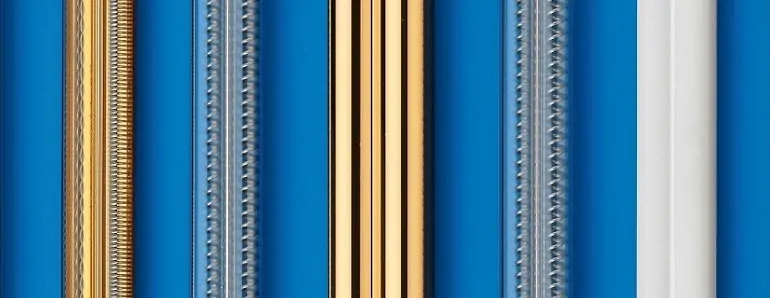
Use the specified holders and support positions without clamping the quartz rigidly. Allow for thermal expansion and keep frame misalignment from being transferred into the lamp.
Maintain clearance around seals, terminals and leads. Keep them outside excessive radiant or reflected heat and provide the cooling arrangement required by the design.
Mark lamp and reflector direction so replacement restores the intended optical layout.
| Input | Why it matters | Record |
|---|---|---|
| Support | Prevents mechanical stress | Holder type and position |
| Thermal interface | Protects seals and terminals | Clearance and cooling |
| Maintenance | Reduces replacement risk | Access and isolation |
Allow an isolated, cooled lamp to be removed without bending nearby parts or contacting sharp edges. Guards and panels should support safe inspection and cleaning.
Check holders, quartz, reflectors, terminals, cables, cooling and contamination. Record repeated failure locations because they can indicate an installation problem rather than a lamp defect.
Coordinate the design with YFR industrial infrared heating lamps and heating modules and controls. Confirm the final configuration with product trials and documented acceptance limits.
No. Supports should follow the lamp design and allow appropriate thermal movement.
Poor cooling, reflector position or nearby hot structures can raise their temperature.
No. Restore alignment before installation.
Review mounting, terminals, cooling, contamination and electrical conditions.
Send YFR your material, dimensions, target, cycle time and current equipment details for an application-specific review.


