Author: Site Editor Publish Time: 2025-08-14 Origin: Site
Last updated: August 29, 2026
An infrared heater reflector shapes the radiation field and limits rearward exposure. Dust, overspray, vapour deposits, coating damage or incorrect alignment can reduce useful heat and create an uneven process. Maintenance should restore the approved condition without scratching the reflector or contaminating the quartz lamp.
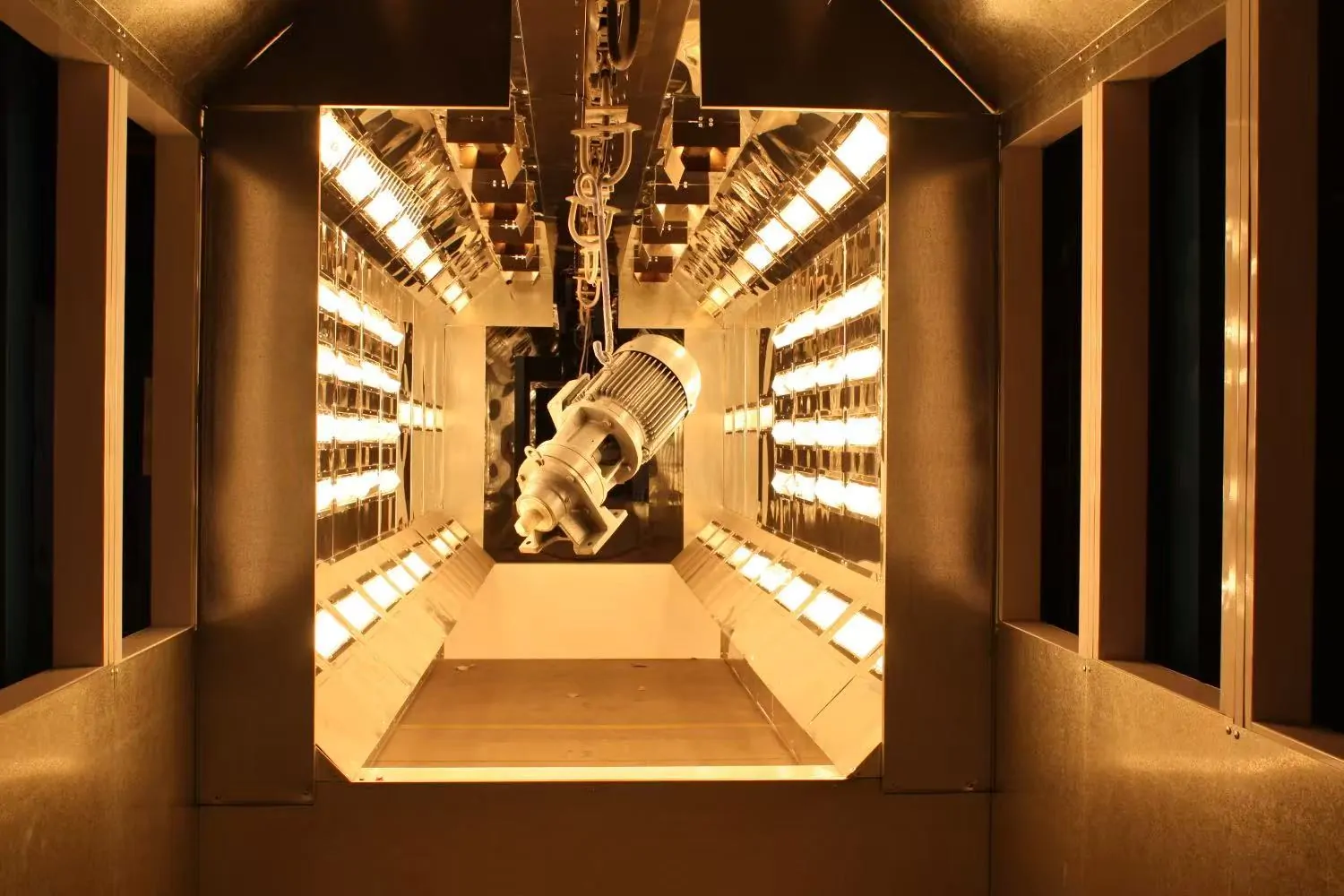
A slower warm-up, falling edge temperature, higher power demand or hotter rear enclosure can indicate reflector contamination or damage. Confirm lamp current, distance, airflow and product condition before assigning the problem to the reflector alone.
Isolate and cool the heater. Photograph the reflector, lamp orientation and deposits. Look for coating loss, scratches, corrosion, warping, loose fasteners and blocked cooling paths. A damaged reflective coating may require replacement rather than cleaning.
| Condition | Approach | Avoid |
|---|---|---|
| Loose dust | Approved low-pressure removal or soft lint-free method | Driving dust into terminals |
| Oil or process film | Manufacturer-approved cleaner and cloth | Unknown solvents and abrasive pads |
| Paint or cured coating | Assess replacement or approved specialist cleaning | Scraping reflective surfaces |
| Quartz contamination | Follow the lamp cleaning instruction | Bare-hand contact |
Check the reflector angle, distance from the lamp and rotational position of coated lamps. Verify that thermal expansion is not restrained and that the reflector does not contact quartz. Reinstall guards and cooling components before energising.
Compare cross-area product temperature at the approved line speed and power. Record centre, edges and rear enclosure temperature. A reflector that looks clean can still be misaligned or permanently degraded.
Explore YFR infrared lamps and heater modules.
No. An improvised surface can create poor alignment, hot spots or electrical and fire hazards.
Base the interval on contamination rate and temperature-profile records rather than a universal schedule.
Only if the manufacturer approves the material and method. Polishing can remove or scratch a coating.
Check lamp orientation, reflector position, distance, wiring and control settings against the saved baseline.
Send YFR photographs and a temperature profile for a lamp-and-reflector review.


