Author: Site Editor Publish Time: 2025-09-15 Origin: Site
Last updated: August 29, 2026
An infrared paint-drying line should follow the coating sequence rather than operate as one undivided heat box. Flash-off, ramp, hold and final stages may need different power, airflow and residence time, while part geometry and conveyor stops affect exposure.
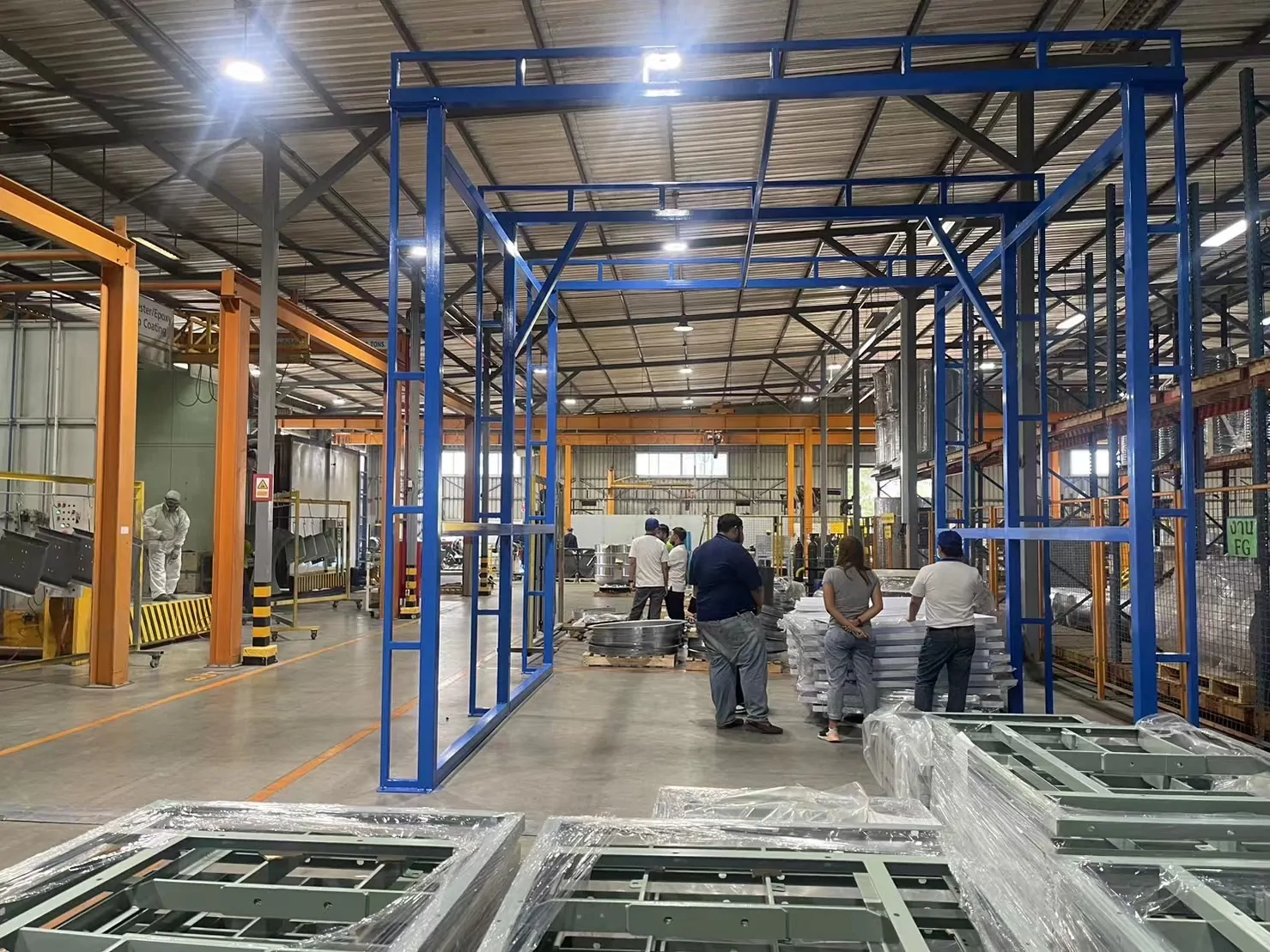
Document application, flash, solvent or water release, temperature rise, cure and cooling. Use the coating supplier's limits to define where radiant heat can be introduced.
Set zone length and control around process stages, part spacing and expected heat loss. Independent zones can manage entry, edges, mixed product and changes in conveyor speed.
Record orientation, shadowing, distance and heated faces before fixing the lamp-bank layout.
| Input | Why it matters | Record |
|---|---|---|
| Flash zone | Allows controlled vapour release | Time and airflow |
| Heating zones | Build and hold product temperature | Power and conveyor speed |
| Exit | Stabilises handling and quality | Cooling and inspection |
Remove released vapour without cooling one area excessively or carrying contamination onto the finish. Confirm make-up air and exhaust safety requirements.
Measure product temperature through every zone and test normal production, gaps, starts, stops and recipe changes. Inspect appearance, adhesion, hardness and defects before release.
Coordinate the design with YFR industrial infrared heating lamps and heating modules and controls. Confirm the final configuration with product trials and documented acceptance limits.
No. Each zone should match its process function and measured heat demand.
Only if the coating process specifically permits it.
Empty spaces and restarts can change heater and product conditions.
Use prompt power reduction, suitable airflow and a defined stop sequence.
Send YFR your material, dimensions, target, cycle time and current equipment details for an application-specific review.


