Author: Site Editor Publish Time: 2025-10-28 Origin: Site
Last updated: August 30, 2026
In today’s manufacturing environment, drying processes are critical across multiple industries—from coatings, paints, and web processing to paper, textiles, food, and composites. With increasing pressure to reduce energy consumption, increase throughput, shorten footprints, and improve process control and product quality, infrared (IR) heating solutions are gaining traction as a highly effective alternative or complement to conventional drying systems.
This article explores infrared heating for industrial drying in depth: how it works, categories of IR heating technologies (tungsten, quartz, medium-wave, short-wave), selection criteria, best practices, and performance comparisons with other heating technologies. It offers a comprehensive, technically grounded guide to help engineers and plant managers make informed decisions.
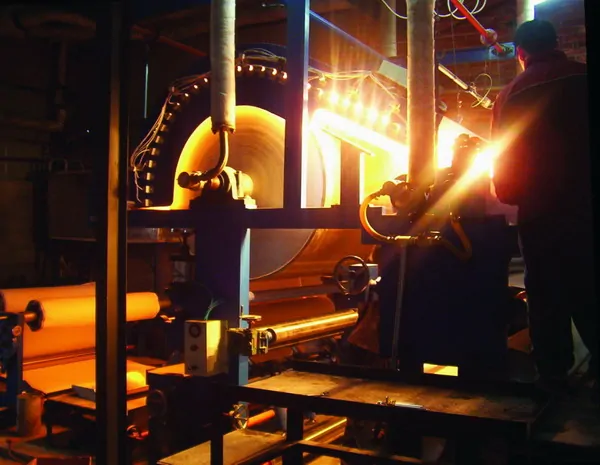
Infrared heating works through electromagnetic radiation emitted by a heat source and absorbed by a target material. The absorbed energy causes molecular vibration, converting it to heat. Unlike convection systems that first heat the surrounding air, IR delivers energy directly to the material, enabling faster response, higher efficiency, and reduced energy losses.
Infrared drying brings multiple advantages that align with modern manufacturing goals:
High thermal efficiency – IR energy directly targets the product, reducing wasted energy in air heating.
Rapid response time – Emitters reach operating temperature quickly, minimizing warm-up and allowing faster cycles.
Compact equipment footprint – IR dryers require less space since they do not rely on large air-handling systems.
Improved process control – Zoning, wavelength selection, and reflector design allow precise temperature management.
Targeted surface drying – Ideal for thin layers, coatings, and web materials where heat must act on the surface.
Clean operation – Electric IR systems generate no combustion emissions and require minimal ventilation.
Infrared heating is not suitable for every drying process. Important limitations include:
Limited penetration depth – IR energy primarily heats surface layers, making it less efficient for thick materials.
Material dependency – Efficiency depends on how well the material absorbs IR energy; reflective surfaces may perform poorly.
Hotspot risk – Poor emitter arrangement can cause uneven heating and potential damage to sensitive products.
Ventilation needs – When drying materials with high moisture or solvent content, adequate exhaust must be included.
When properly designed and matched to the process, IR systems can outperform conventional drying methods in both speed and energy efficiency.
Infrared drying systems differ based on the wavelength of the radiation and emitter type. Each category has distinct temperature ranges, characteristics, and application suitability.
Wavelength range: 0.7–1.5 µm
Emitter temperature: > 1,800 °C
Features: High power density and deeper penetration compared to longer wavelengths.
Applications: Fast-moving webs, thermoplastic heating, or rapid surface drying.
Considerations: High temperatures can damage heat-sensitive materials; wavelength matching is essential.
Wavelength range: 1.5–5 µm
Emitter temperature: ~800–1,000 °C
Features: Balanced heating depth, effective for coatings and films.
Applications: Industrial ovens, coating dryers, or surface moisture removal.
Considerations: Requires correct wavelength for material absorption and air circulation for moisture removal.
Description: Use quartz tubes and tungsten filaments for high intensity and fast switching.
Features: Very short response time, compact design, and modular configuration.
Applications: Film, paper, textile, and coating drying.
Considerations: Require safety shielding and cooling systems due to high surface temperature.
Modern drying systems often integrate IR emitters with hot air circulation. The IR provides rapid surface heating, while forced air removes moisture. This hybrid design prevents condensation and improves uniformity.
| Emitter Category | Wavelength (µm) | Key Features | Best Applications |
|---|---|---|---|
| Short-wave (Near-IR) | 0.7–1.5 | High intensity, fast response | Thermoplastic webs, fast coating drying |
| Medium-wave | 1.5–5 | Balanced penetration, uniform heating | Paints, coatings, glass, metal sheets |
| Quartz/Tungsten | Variable | Modular, fast on/off, compact | Web materials, retrofits |
| IR + Convection | Mixed | Hybrid drying, moisture control | Solvent-based or high-moisture coatings |
Selecting an optimal IR drying system requires evaluating both material characteristics and operational requirements.
Material thickness – Thin films and coatings favor IR; thick substrates may require hybrid or microwave systems.
Moisture load – High moisture requires airflow integration to prevent condensation.
Absorption characteristics – Surface color, texture, and reflectivity affect IR absorption.
Line speed and throughput – Faster lines need higher power density and short-wave emitters.
Quality control – Sensitive coatings or finishes may require zoning to prevent overheating.
Environmental safety – Solvent-based processes require vapor extraction and explosion-proof components.
Power density and wavelength match – Ensure emitter design aligns with target absorption.
Emitter layout and zoning – Segment drying zones for optimal control and uniform heating.
Reflector design – Direct radiant energy efficiently onto the product to minimize waste.
Ventilation and exhaust – Maintain air flow to remove evaporated moisture.
Controls and instrumentation – Include temperature sensors, zone controllers, and data logging.
System footprint – Evaluate integration feasibility within existing lines.
Safety and service access – Ensure easy maintenance and proper interlocks.
Energy consumption – Compare total kWh use and savings versus hot-air systems.
Maintenance frequency – Evaluate emitter lifespan and replacement ease.
Scalability – Choose modular designs for future expansion.
Process flexibility – Verify adaptability to different materials or speeds.
Compliance – Meet safety and environmental regulations.
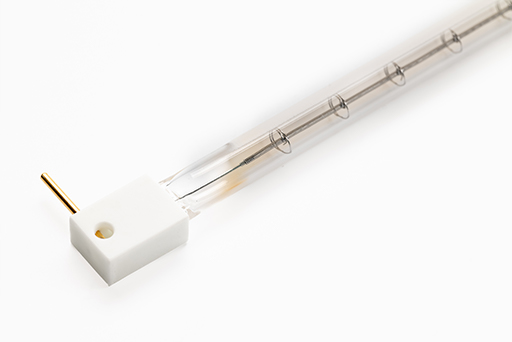
Infrared drying is widely used for coatings on metals, glass, and plastics. Medium-wave emitters offer excellent energy transfer to paints and varnishes.
Tips for success:
Use multiple drying zones (pre-heat, main, and final).
Integrate exhaust systems for solvent or moisture removal.
Control surface temperature precisely to avoid defects or gloss changes.
Thin materials such as films, foils, or paper webs benefit from IR’s surface-directed energy.
Key points:
Maintain even heating across the web width.
Use feedback control for temperature uniformity.
Combine IR with air knives for enhanced evaporation.
Infrared dryers effectively remove surface moisture in textiles while maintaining material integrity.
Considerations:
Adjust emitter spacing and zoning to match fabric thickness.
Include ventilation to prevent fabric distortion or discoloration.
In food processing, IR drying enables rapid surface moisture removal and roasting effects.
Mid- to far-IR wavelengths optimize water absorption.
Gentle heat transfer minimizes nutrient loss and color changes.
For thicker materials such as composites or timber, IR may be used for pre-heating before convection or microwave drying. The limited penetration depth means hybrid systems are preferred.
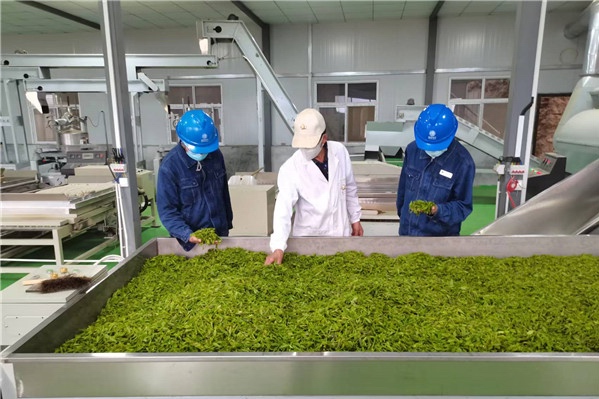
Define dwell time and conveyor speed before system sizing.
Arrange emitters uniformly with reflectors to avoid hotspots.
Include independent zones for pre-heat, main drying, and cooling.
Design for easy emitter replacement and maintenance access.
Monitor surface temperature rather than air temperature.
Use PLC or HMI systems for precise zone control.
Add alarms and safety interlocks for over-temperature or fan failure.
Match wavelength to material absorption spectrum.
Use insulation and reflectors to reduce heat loss.
Implement zone shut-off during low production rates.
Combine IR with convection for balanced efficiency and moisture removal.
Schedule periodic cleaning of reflectors and emitter surfaces.
Maintain spare emitters and components for quick replacement.
Conduct regular thermal uniformity checks across the product width.
Ensure explosion-proof design for solvent drying.
Shield operators from direct IR exposure.
Maintain proper ventilation and exhaust flow.
Verify compatibility with existing conveyor speed, width, and ventilation.
Retrofit modular IR zones to upgrade older convection lines.
For new builds, integrate IR early into process design to maximize efficiency.
Both use electromagnetic radiation but differ in wavelength and heating mechanism.
Penetration depth – Microwave penetrates deeper; IR heats surface layers.
Speed – IR is faster for surface drying; microwave suits bulk materials.
Complexity – IR systems are simpler and easier to retrofit.
Cost – IR typically has lower installation and maintenance costs.
Control – Both offer precise control, but IR allows faster response.
Convection heats the air first; IR directly heats the material surface.
IR achieves shorter cycle times and better energy efficiency.
Convection may still be needed to carry away evaporated moisture.
Hybrid IR-convection systems offer the best balance of drying performance and moisture management.
Application: A steel sheet coating line required drying of a water-based primer.
Problem: The existing hot-air tunnel was long, energy-intensive, and limited throughput.
Solution: Engineers replaced part of the tunnel with a medium-wave IR emitter bank divided into two zones: pre-heat and final dry.
Results:
Line speed increased by 30 %.
Energy use dropped significantly due to reduced air heating.
Floor space requirement decreased by over 40 %.
Product quality improved with more uniform drying.
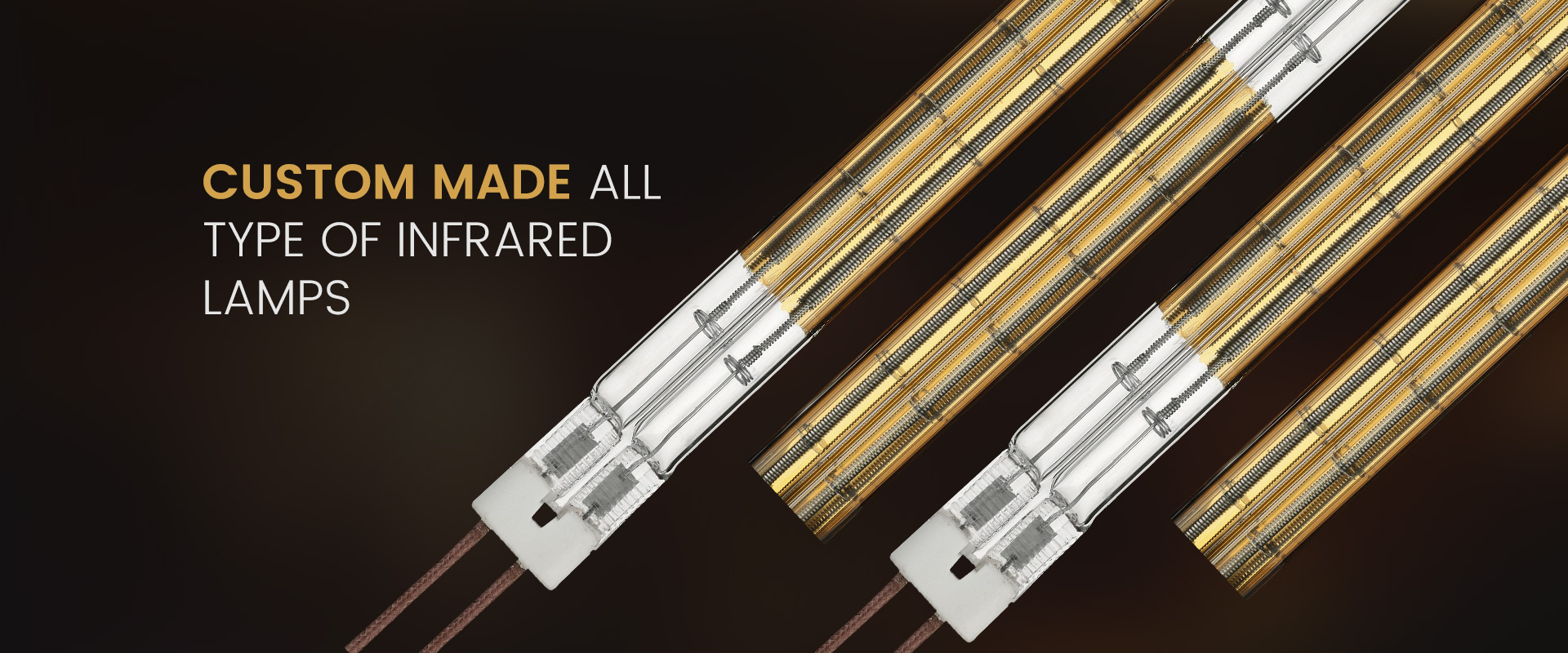
Digital process monitoring – Integration of sensors and IoT analytics for real-time efficiency tracking.
Hybrid heating systems – Combining IR with convection or microwave for greater versatility.
Wavelength customization – Tailoring emitters for specific material absorption spectra.
Sustainability goals – IR’s lower energy use aligns with global decarbonization trends.
Modular retrofits – Compact IR modules allow easy upgrades of legacy drying lines.
Infrared heating has become a cornerstone technology in modern industrial drying. Its direct, efficient energy transfer, rapid response, and precise controllability make it ideal for coatings, films, textiles, and many other materials.
While not universally applicable, when properly selected and engineered, IR drying systems outperform conventional methods in energy efficiency, footprint, and throughput. Successful implementation depends on careful wavelength matching, airflow integration, zoning control, and safety design.
For manufacturers seeking productivity gains and sustainability improvements, infrared heating represents a proven, future-ready path for industrial drying excellence.
Review YFR industrial infrared heating lamps and heating modules and controls. Confirm emitter choice, mounting, sensing and recipes with representative product trials.
Send YFR your material, dimensions, target, cycle time and current equipment details for an application-specific review.


