


Author: Process Heating Engineer Publish Time: 2025-09-19 Origin: Site
Last updated: September 1, 2026
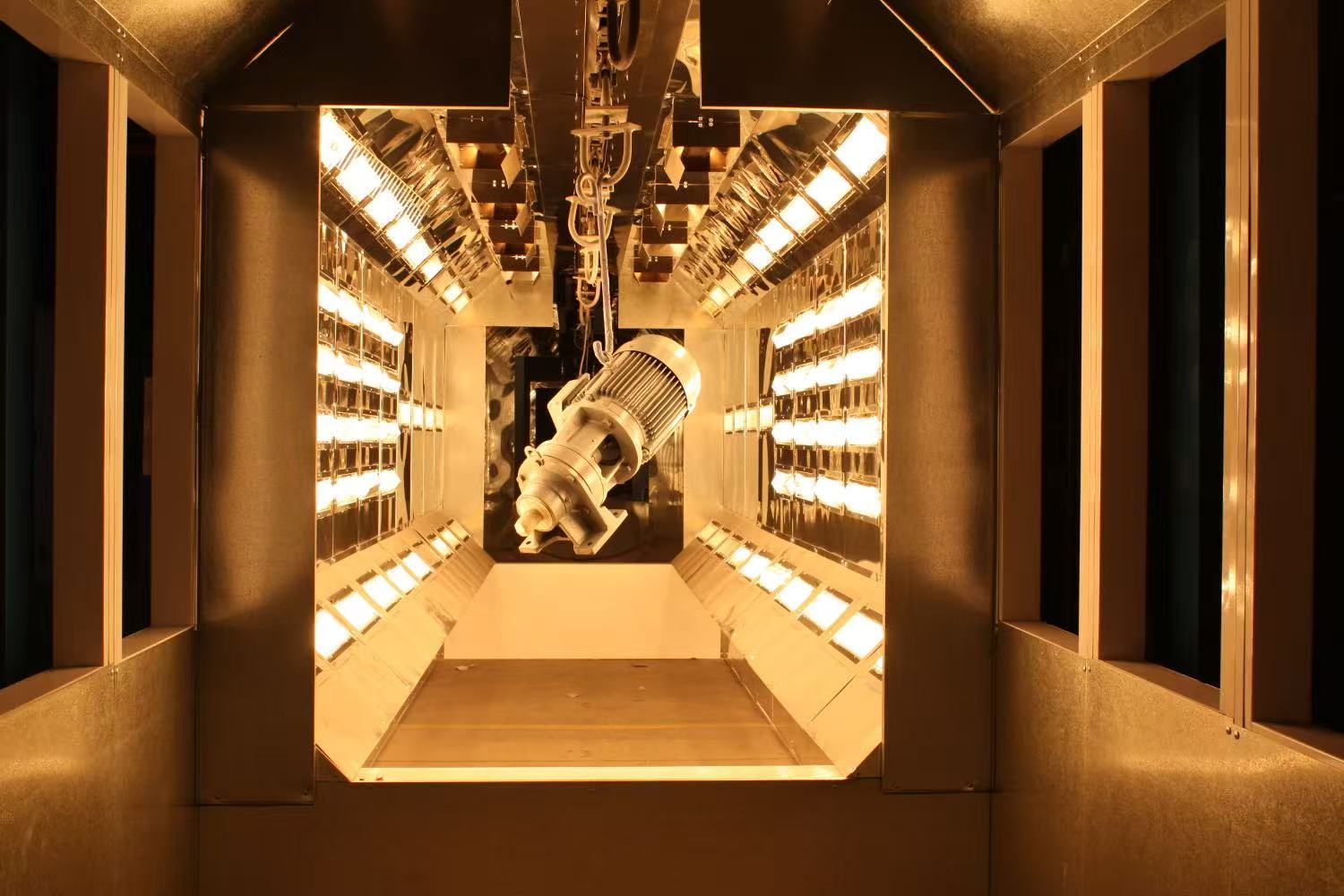
IR paint drying uses infrared radiation to heat the paint layer and substrate surface directly. Instead of relying only on hot air to warm the surrounding environment, infrared energy travels to the coated surface and converts into heat after absorption.
For industrial paint drying, this direct heating method may support responsive, compact and controllable drying when it is properly matched to the coating and part when the lamp type, distance, power control, and curing profile are properly matched.
YFR supplies infrared curing lamps, short-wave IR lamps, fast medium-wave IR lamps, medium-wave IR lamps, gold-coated infrared lamps, heating modules, and power control products for paint drying, coating lines, industrial ovens, powder coating preheating, and OEM drying systems.
IR paint drying is a curing or drying method that uses infrared radiation to transfer heat directly to painted or coated surfaces. The absorbed energy helps evaporate water or solvent, accelerates film formation, and supports the curing process.
This method is widely used in industrial paint drying because it can deliver heat quickly and directionally. It is especially useful when the production line requires fast response, compact installation, or controlled heating zones.
Typical applications include automotive paint repair, industrial coating lines, metal parts coating, powder coating preheating, wood finishing, printing and coating equipment, and drying sections inside custom ovens.
Infrared lamps emit radiant energy toward the coated surface. When the paint layer and substrate absorb this energy, the temperature rises and the drying or curing process begins.
The drying result depends on several factors:
| Factor | Why It Matters |
|---|---|
| Lamp wavelength | Different coatings and substrates absorb infrared energy differently |
| Lamp distance | Affects surface temperature and heating uniformity |
| Power control | Helps prevent overheating, blistering, or uneven curing |
| Heated length | Determines the active drying area |
| Reflector design | Directs energy toward the workpiece |
| Line speed | Determines exposure time in continuous production |
| Paint type | Water-based, solvent-based, powder, and specialty coatings behave differently |
A well-designed IR paint drying system is not only about high power. It should match the coating material, substrate, drying target, production speed, and available machine space.
Hot air drying heats the surrounding air first, then transfers heat to the painted surface through convection. Infrared paint drying transfers radiant energy directly to the surface, which can improve heating response and reduce energy loss in many process layouts.
| Comparison Point | IR Paint Drying | Hot Air Drying |
|---|---|---|
| Heat transfer | Direct radiant heating | Air-based convection heating |
| Response speed | Fast lamp response | Slower system warm-up |
| Space requirement | Compact heating modules possible | Often needs larger ducts or ovens |
| Zone control | Easier to divide into heating zones | Usually less localized |
| Surface heating | Strong and direct | Depends on airflow and temperature |
| Best use | Fast drying, surface curing, compact lines | Large-area uniform heating and long oven processes |
In many industrial systems, infrared and hot air are also combined. Infrared lamps can provide fast surface heating, while hot air helps remove moisture or solvent vapor from the drying zone.
Different IR lamps create different heating effects. The right choice depends on the coating, substrate, required drying speed, surface sensitivity, and installation distance.
| Lamp Type | Common Starting Point | Notes |
|---|---|---|
| Short-wave infrared lamp | Fast surface heating and quick curing | High intensity, fast response, suitable for rapid heating |
| Fast medium-wave infrared lamp | Water-based paint and coating lines | Balanced heating profile for many industrial coatings |
| Medium-wave infrared lamp | Controlled drying and thicker coatings | Different spectral and response characteristics; validate on the actual coating and substrate |
| Gold-coated infrared lamp | Directional heating modules | Reflector coating directs more energy toward the product |
| Twin-tube infrared lamp | Industrial drying systems and ovens | Mechanically rigid format available in multiple electrical ratings |
| Custom infrared lamp | OEM equipment and replacement projects | Built according to voltage, wattage, length, end cap, and wiring requirements |
For paint drying, the lamp should not be selected by wattage alone. A high-power lamp with the wrong wavelength, reflector angle, or heating distance may still cause uneven drying or surface defects.
Infrared lamps are widely used for automotive paint drying, spot repair, primer drying, clear coat curing, and body shop heating systems. Short-wave and fast medium-wave lamps are often selected when fast temperature rise and controlled exposure are required.
For automotive repair and industrial paint lines, lamp distance, exposure time, and temperature control are especially important. Excessive heat may cause surface defects, while insufficient heat may slow down drying or reduce coating quality.
Industrial coating lines often require stable drying over a defined working width. Infrared heating modules can be arranged in zones to match the coated area and line speed.
This is useful for metal panels, machinery parts, plastic components, composite materials, and continuous coating processes. Gold-coated lamps and reflector housings can help direct more energy toward the coated surface.
Infrared heating can be used before or during powder coating curing to raise part temperature quickly. It is useful for metal parts, complex shapes, and production lines where faster thermal response is required.
For powder coating systems, the lamp layout should be designed according to part geometry, coating thickness, line speed, and target curing profile.
Infrared lamps can be installed inside industrial ovens as the main heating source or as an auxiliary heating section. Compared with hot-air-only ovens, infrared sections can improve response speed and provide more targeted heating.
YFR can support infrared lamps, reflector housings, heating modules, transformers, and power control systems for custom oven designs.
IR paint drying principles are also used in printing, varnish drying, coating drying, adhesive drying, and surface treatment processes. In these applications, compact installation and fast response are often more important than simply increasing oven temperature.
Choosing the right IR paint drying lamp requires matching the lamp to the process, not just selecting a standard size from a catalog.
For accurate selection, prepare the voltage, wattage, total length, heated length, tube diameter, lamp type, reflector coating, end cap design, lead wire details, installation distance, paint type, substrate material, target temperature, drying time, and production speed.
If the lamp is used as a replacement part, photos, drawings, or original samples can help confirm the structure. If it is used for a new heating system, the drying width, module space, control method, and ventilation design should also be reviewed.
A stable IR paint drying process depends on more than lamp power. The system should be designed to control temperature, exposure time, and heating uniformity.
Lamp distance should be tested carefully because a small change can affect surface temperature. Reflector design should direct energy toward the coated area instead of heating the machine housing. Power control should allow gradual adjustment instead of simple on/off operation when the process requires precision.
Ventilation is also important. Infrared lamps heat the coating, but evaporated water or solvent still needs to be removed from the drying area. For many paint drying systems, infrared heating works best when combined with proper airflow and exhaust design.
Many industrial drying systems cannot use standard infrared lamps. The lamp must match the machine structure, electrical design, heating width, and maintenance requirements.
YFR can customize IR paint drying lamps according to voltage, wattage, total length, heated length, tube diameter, single-tube or twin-tube structure, reflector coating, ceramic end cap, lead wire direction, terminal type, and original machine requirements.
Available solutions include short-wave infrared lamps, fast medium-wave infrared lamps, medium-wave infrared lamps, gold-coated IR lamps, twin-tube IR lamps, replacement infrared lamps, reflector housings, heating modules, transformers, and power controllers.
This makes YFR suitable for OEM equipment manufacturers, industrial maintenance teams, coating line builders, oven manufacturers, and factories that need replacement lamps for existing paint drying equipment.
For a custom IR paint drying lamp quote, please provide the main technical details before production.
The most useful information includes voltage, wattage, total length, heated length, tube diameter, lamp structure, coating type, end cap design, lead wire length, terminal style, installation distance, paint type, substrate material, drying target, working temperature, and quantity.
If the original lamp is available, clear photos from different angles or a physical sample can reduce specification errors and help confirm compatibility.
YFR focuses on infrared heating lamps and related heating solutions for industrial applications. For paint drying systems, YFR supports both replacement lamp supply and new infrared heating module development.
YFR can provide quartz infrared lamps, short-wave IR lamps, fast medium-wave IR lamps, medium-wave lamps, gold-coated lamps, twin-tube lamps, reflector housings, heating modules, transformers, and power control products. Custom manufacturing is available for OEM equipment and maintenance projects.
The goal is to provide an infrared lamp or heating module that fits the machine, matches the process, and supports stable paint drying performance.
IR paint drying is a process that uses infrared radiation to heat painted or coated surfaces directly. The absorbed energy helps evaporate water or solvent and supports the curing or drying process.
Infrared paint drying can be faster in many applications because it transfers radiant energy directly to the coated surface. The actual drying speed depends on the coating type, substrate, lamp distance, power setting, and ventilation.
Short-wave infrared lamps are often used for fast heating, while fast medium-wave and medium-wave lamps are used when more controlled drying is required. The best choice depends on the paint type, substrate, drying target, and equipment layout.
Yes. Infrared lamps can be used for powder coating preheating and curing support. Lamp selection and layout should be matched to part geometry, coating thickness, line speed, and curing temperature.
Yes. YFR can manufacture replacement infrared lamps based on original samples, photos, drawings, voltage, wattage, length, tube diameter, end cap type, lead wire structure, and reflector coating.
The key information includes voltage, wattage, total length, heated length, tube diameter, lamp type, coating requirement, end cap design, lead wire details, installation distance, paint type, substrate, and curing target.
Custom IR Paint Drying Support
Talk to YFR Engineering | Request an Infrared Paint Drying Lamp Quote
Send your lamp photo, drawing, voltage, wattage, total length, heated length, tube diameter, coating type, end cap design, lead wire details, machine model, and paint drying requirements. YFR can help recommend a suitable infrared curing lamp, replacement lamp, or custom heating module for your equipment.


