Author: Site Editor Publish Time: 2025-10-14 Origin: Site
Last updated: August 29, 2026
An industrial infrared tube converts electrical input into radiant energy. Its useful performance depends on the internal element, operating temperature, quartz envelope, reflector, geometry and the material being heated. The tube is one component of a complete thermal system, not a stand-alone guarantee of temperature or efficiency.
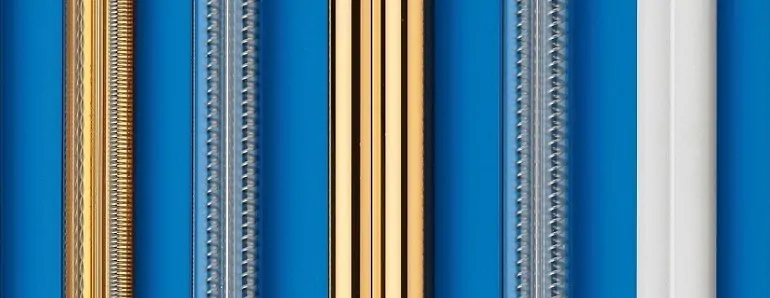
Current passes through a tungsten, nickel-chromium or carbon element. Its temperature rises and it emits a spectrum of radiation. The material absorbs part of that radiation and converts it into heat; the remainder may be reflected or transmitted.
The heating element sets much of the response and emission behaviour. The quartz tube provides electrical insulation and environmental separation. Cold ends, seals, leads, terminals and optional coatings determine how the lamp fits and survives inside equipment.
| Specification | Why it matters | Evidence |
|---|---|---|
| Voltage and wattage | Electrical load and radiant capacity | Nameplate and measured circuit |
| Total and heated length | Fit and active heating zone | Dimensioned drawing |
| Tube and termination | Mounting compatibility | Photos and measurements |
| Reflector orientation | Radiation direction | Clocking reference |
A transparent, dark, wet or coated product can respond differently to the same lamp. Compare YFR short-wave, medium-wave and carbon emitters through controlled product trials.
Check holder temperature, lead routing, cooling, reflector condition, clearances and product uniformity. Confirm that the power controller and protection devices suit the lamp load before production release.
No. Quartz envelopes can contain different heating elements and emission types.
No. Wavelength behaviour mainly follows element temperature and construction.
They protect seals and mounting areas from the active heated zone.
Only if electrical, dimensional, optical and termination details also match.
Send YFR the original lamp code, drawing, electrical data and installation photos for a replacement or new-design review.


