Author: Site Editor Publish Time: 2025-07-16 Origin: Site
Last updated: August 29, 2026
A low-glare infrared lamp can improve visual comfort around an outdoor heater, but colour and appearance alone do not establish replacement compatibility. The new lamp must match the heater's electrical circuit, dimensions, termination, mounting and enclosure design while delivering the intended heat output.
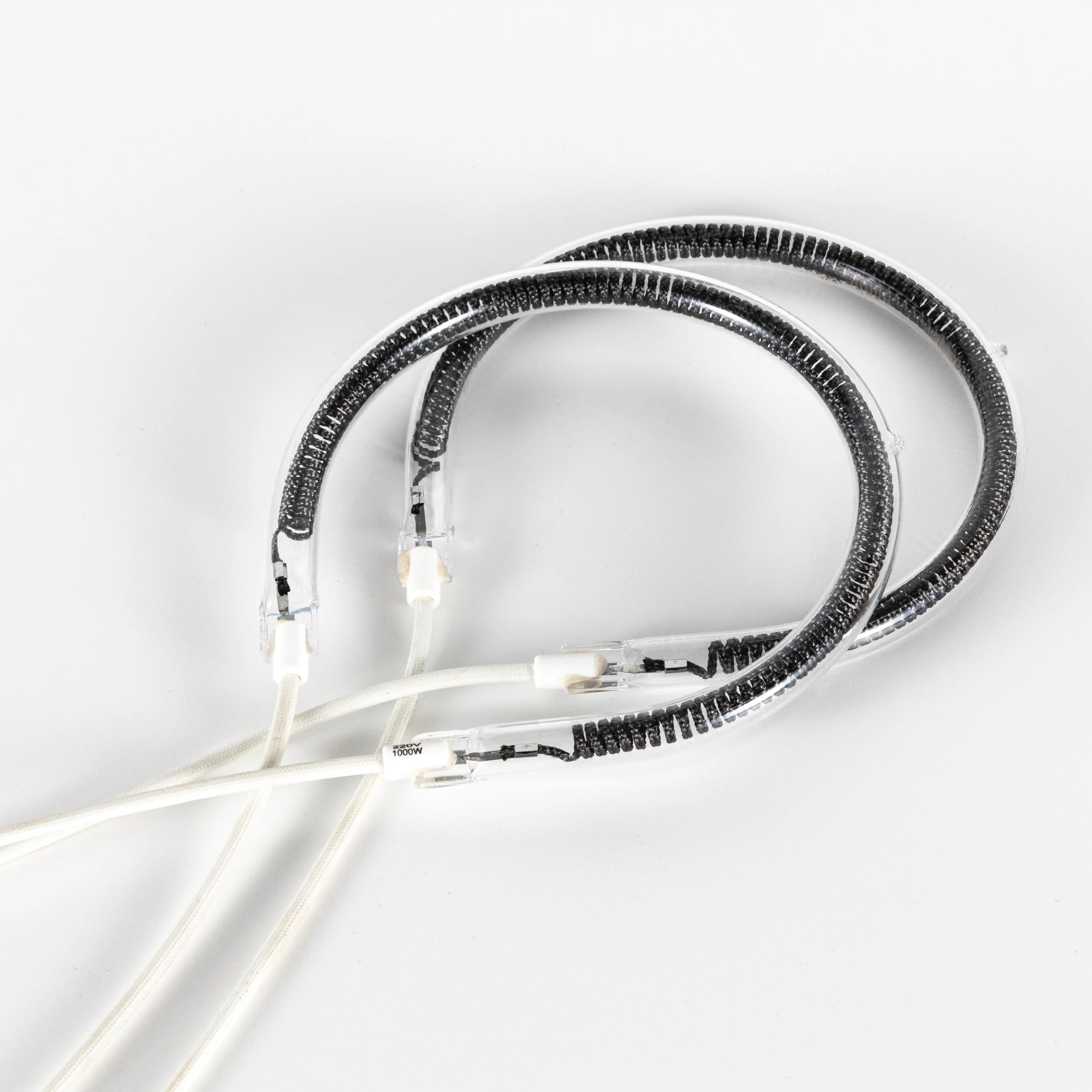
Record the heater model, lamp part number, voltage, wattage, overall length, heated length, tube diameter, terminal style, lead direction and reflector coating. Measure between the functional mounting references, not only the glass end-to-end. Photograph the lamp before removal and label each connection.
Low-glare and ultra-low-glare lamps reduce visible brightness through lamp construction and filtering or coating choices. The perceived colour and brightness depend on the heater grille, mounting height and surroundings as well as the lamp. Compare useful heat at the occupied area, not only how the emitter looks when viewed directly.
| Check | Why it matters |
|---|---|
| Voltage and wattage | Must match the circuit and thermal design |
| Overall and heated length | Controls fit and heat distribution |
| End caps and leads | Must fit holders and protected connections |
| Reflector orientation | Directs radiation toward the occupied zone |
| Controller compatibility | Switching and dimming must suit the lamp load |
| Heater enclosure | Weather protection belongs to the complete assembly |
A replacement lamp does not give an indoor heater a new outdoor rating. Follow the heater manufacturer's installation and enclosure requirements.
Disconnect and isolate the supply. Check holders, seals, guards, reflector, cable entries and signs of water or corrosion. Replace damaged supporting components before fitting a new lamp. Keep the quartz clean and use the approved handling method.
Explore YFR outdoor infrared heaters and an IP67 ULG lamp assembly.
Confirm the installed lamp and wiring against the heater specification.
Reinstall guards and seals before energising.
Start at the approved control setting.
Check current, heat direction and abnormal arcing or noise.
Inspect the heater after the first controlled heat cycle.
Not without approval. The circuit, controller, holders, reflector and enclosure may not support the different load.
No direct visual comparison is reliable. Evaluate rated data and heat delivered at the intended distance.
Ingress protection normally applies to the tested heater or lamp assembly, not a bare replacement tube by itself.
Only after electrical, thermal and optical approval. It may fit physically but change glare, heat distribution and fixture temperature.
Send YFR the heater label, lamp photos and dimensions for a replacement review.


