


Author: Site Editor Publish Time: 2025-08-18 Origin: Site
Last updated: August 29, 2026
Short-wave infrared can bring energy rapidly to a repaired panel, but finish quality depends on coating chemistry, flash-off, panel geometry, distance and temperature limits. The process should follow the paint supplier's cure window and documented shop trials.
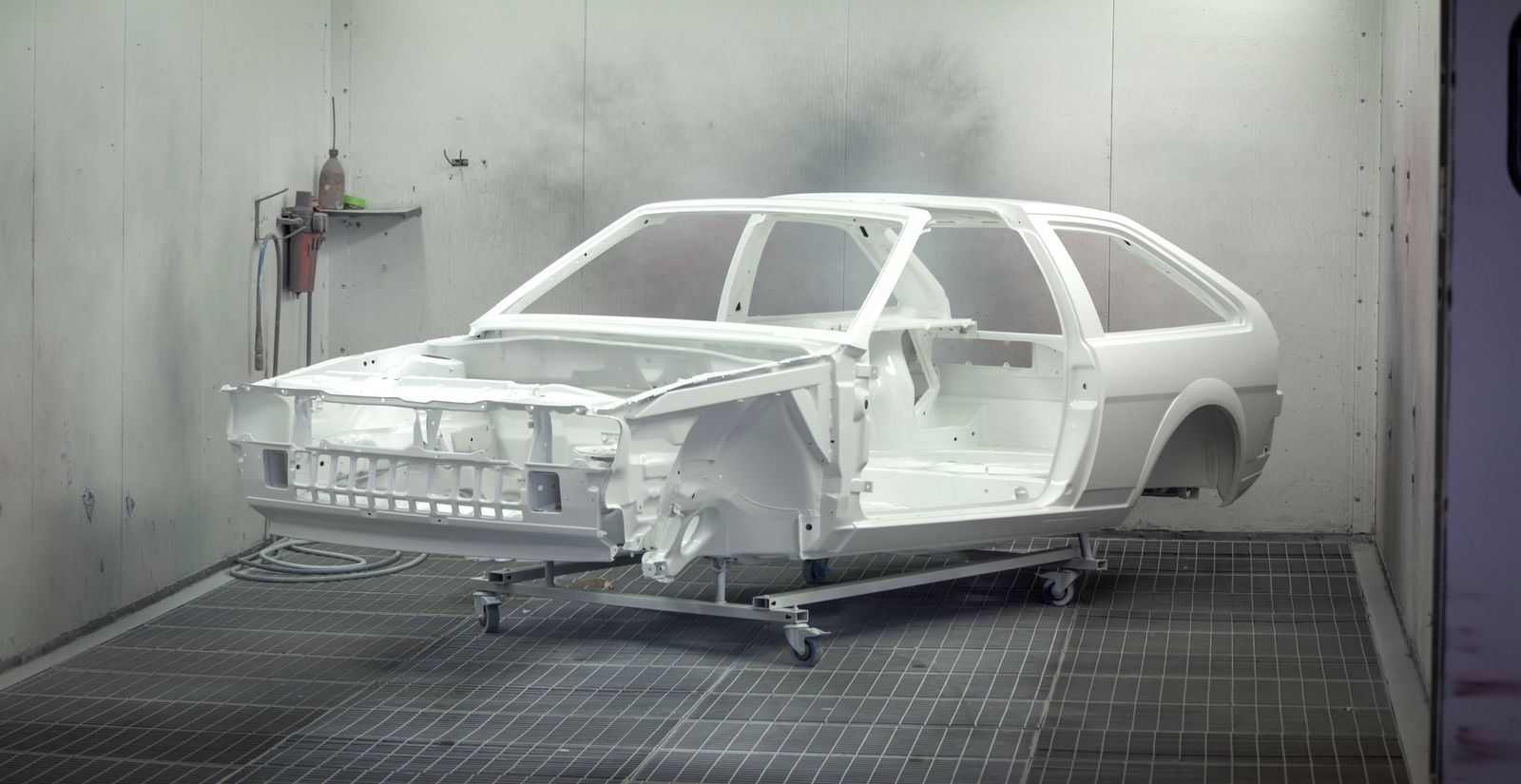
Identify primer, basecoat or clearcoat, film build, reducer or hardener, substrate and the required flash and cure stages. Confirm the supplier's temperature measurement location and limits.
Position the heater so the repair area receives uniform exposure. Curved panels, edges and mixed materials may need movement, zoning or masking rather than a single fixed setting.
A repeatable recipe links the coating instruction to heater setup and actual panel temperature.
| Input | Why it matters | Record |
|---|---|---|
| Coating | Defines flash and cure limits | Product sheet and batch |
| Heater | Controls coverage and energy | Distance, time and power |
| Finish | Confirms acceptable repair | Temperature and inspection |
Do not replace the specified flash-off with immediate high power. Ramp or stage the heat where required and measure the panel rather than relying on lamp colour or elapsed time alone.
Check gloss, colour, solvent pop, blistering, adhesion and hardness using the coating system's approved methods. Repeat validation for different panel constructions and repair sizes.
Coordinate the emitter with YFR industrial infrared heating lamps and heating modules and controls. Confirm the final configuration with product trials and documented acceptance limits.
No. Follow the specific coating system and repair construction.
Only after the required flash-off or staged process.
Use the coating supplier's defined panel or surface location.
Geometry and lower thermal mass can create a different local response.
Send YFR your material, dimensions, target temperature, cycle time and current equipment details for an application-specific review.