


Author: Site Editor Publish Time: 2025-08-23 Origin: Site


Efficient heating is one of the biggest challenges in greenhouse gardening. Whether you are running a commercial glasshouse or a small hobby greenhouse, maintaining stable temperatures during cold nights and low-light seasons is critical for plant health, yield, and energy costs.
Solar-compatible heat lamps and infrared (IR) greenhouse heaters have become a preferred solution because they combine targeted radiant heat with the ability to integrate into solar power systems. Instead of simply heating the air, these systems deliver radiant energy directly to plants, soil, and benches, improving comfort for the crop while reducing wasted energy.
This guide focuses on heater and lamp types, not brands. You will find a clear comparison of the main greenhouse heater categories, how solar heat lamps work, and how to choose the right combination for your greenhouse this year.

Traditional greenhouse heating often relies on fossil fuel or electric convection heaters that warm the air and then rely on circulation to move warm air around the structure. This can lead to:
Uneven temperature distribution
Hot air accumulating at the roof
Cold spots at plant level
Higher overall energy consumption
Solar-compatible infrared heat lamps address these issues by:
Delivering radiant heat directly to plants and surfaces rather than primarily heating the air
Supporting integration with solar PV systems, reducing grid dependence
Reaching target temperatures quickly, which is helpful when outside temperatures drop suddenly
Offering modular, zone-based installation, so growers can target specific beds, aisles, or propagation areas
When designed and installed correctly, a modern infrared or solar heat lamp system can reduce greenhouse heating costs while improving crop quality and reliability.
A solar heat lamp system for greenhouses typically includes:
Infrared emitters or lamps (quartz IR, carbon IR, or fast medium wave)
Power electronics (drivers, inverters, or controllers)
Solar panels and, optionally, batteries for off-grid or hybrid operation
Control systems such as thermostats, timers, or climate computers
Solar panels generate DC power. This energy is either used directly (via DC drivers) or converted to AC through an inverter and then supplied to the heaters. In many installations, solar heat lamps work in hybrid mode: solar power covers part of the load, while the grid or another energy source provides backup when solar production is low.
Infrared emitters convert a high percentage of electrical energy into radiant heat. Depending on the wavelength (short-wave, fast medium wave, or carbon/longer-wave), the energy penetrates leaves and surfaces differently, influencing how quickly plants and soil warm up.
Instead of focusing on specific product names, it is more useful to understand the major heater types commonly used in greenhouses and their strengths and weaknesses.
What they are
Quartz infrared lamps use a quartz glass tube with an internal filament or emitter. They are available in short-wave and fast medium wave versions and are frequently used for industrial drying and greenhouse heating.
Performance characteristics
Very fast heat-up time
Strong radiant output that reaches plants and benches directly
Good control: power can be modulated in steps or with dimming systems
Suitable for both spot heating and area heating, depending on reflector design
Energy efficiency
High electrical-to-radiant conversion, often quoted in the 85–95% range under typical operating conditions
When combined with solar panels, they can significantly reduce grid consumption
Because they heat surfaces directly, less energy is wasted in overheated roof air layers
Installation and durability
Modular linear or U-shaped tubes can be mounted on walls, ceilings, trusses, or dedicated frames
IP-rated designs (e.g., IP65–IP67) resist moisture, fog, and dust, which is essential in humid greenhouse environments
Correct reflector design and mounting height are important to ensure uniform distribution and avoid hot spots
Typical use cases
Commercial greenhouses that need rapid temperature correction
Zones where specific crops require higher temperatures, such as propagation benches or sensitive seedlings
Greenhouses with limited floor space where overhead heating is preferred
Pros
Very fast response
High radiant efficiency
Excellent for zone and targeted heating
Easy to integrate into automation systems
Cons
Strong radiant intensity requires careful spacing and mounting height
Initial investment can be higher than some basic convection heaters
Carbon infrared and fast medium wave (FMW) lamps are also popular for greenhouses.
Key traits
Softer, more diffuse heat compared to short-wave IR
Comfortable for crops that need gentle warming over a larger area
Often perceived as less glaring, which can be important for operators working in the greenhouse
Best suited for
Greenhouses where uniform comfort at plant level is more important than ultra-fast response
Applications where low-glare lighting is preferred
Combined heating and lighting zones where lamps are run for long periods
Electric convection heaters warm the air and rely on circulation to transfer heat.
Advantages
Simple plug-and-play installation
Familiar operation and low installation complexity
Built-in thermostats are common and easy to understand
Limitations
Heat delivery is less targeted; warm air tends to rise
Can require more energy to maintain the same crop-level temperature as radiant systems
Usually do not include full-spectrum lighting, so separate grow lights are needed
These heaters can still play a useful role as backup systems or in small hobby greenhouses where budget is limited and solar integration is not the primary goal.
Gas heaters (propane, natural gas, or LPG) are another common option, especially in colder climates.
Strengths
High heat output suitable for large spaces
Fuel can be cost-effective in some regions
Useful as a backup during extreme cold spells
Considerations
Require proper venting and combustion management
Add moisture and combustion by-products to the greenhouse if not fully vented
Do not directly integrate with solar power; they are typically used as part of a hybrid system
Many professional greenhouses use gas heaters for baseline heating and infrared or solar heat lamps for fine temperature correction and critical zones.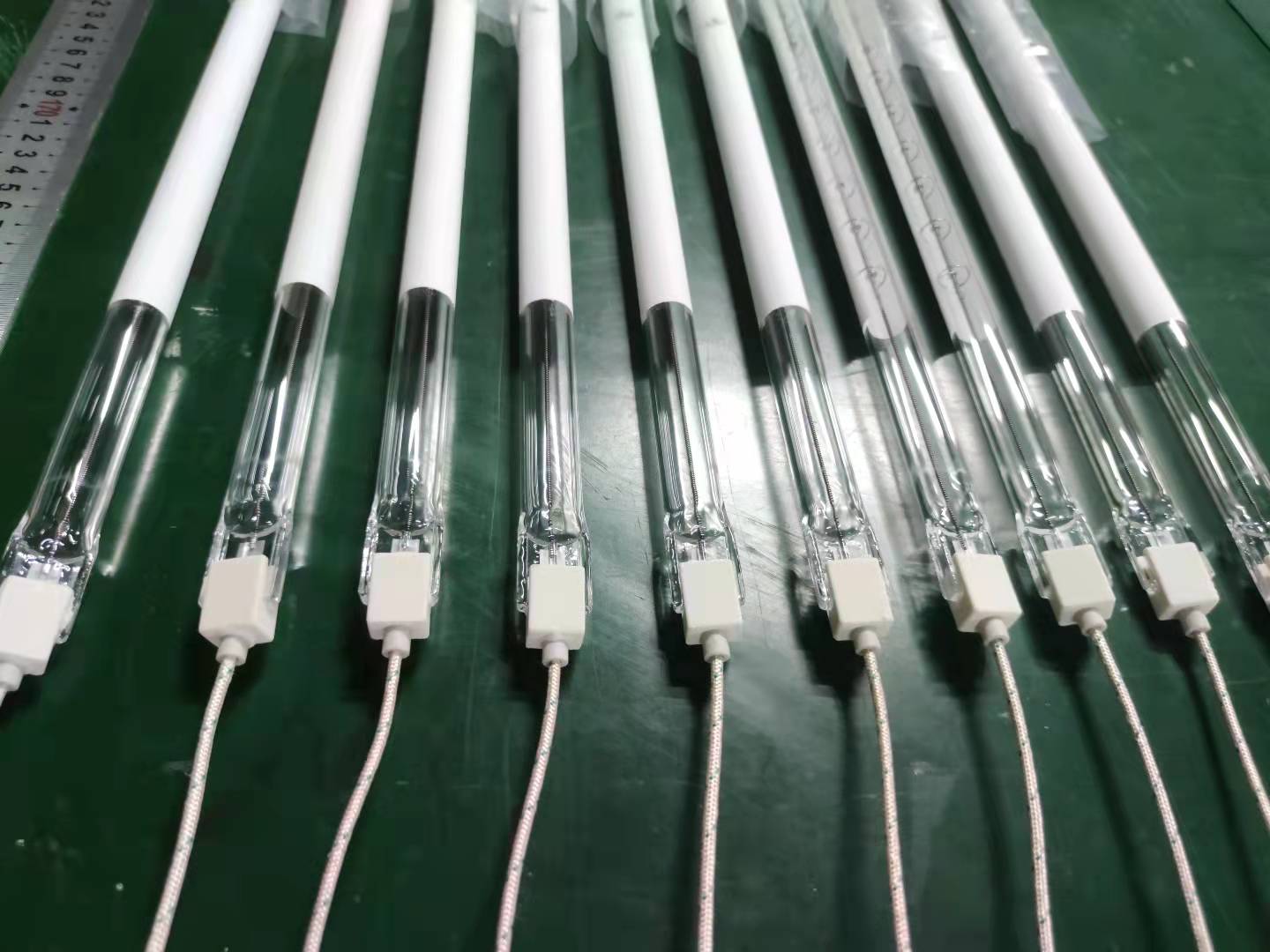
In practice, many growers end up with a hybrid system, combining:
Solar-compatible infrared lamps for primary or zone heating
Electric convection units for frost protection or circulation
Gas or other fuel-based systems as emergency or peak-demand backup
This approach increases resilience and allows the grower to optimize for both energy cost and system reliability throughout the year.
| Heater Type | Heat Delivery | Solar Compatibility | Typical Energy Use Profile | Best For |
|---|---|---|---|---|
| Quartz IR solar heat lamps | Direct radiant | Very good | High efficiency at plant level | Fast, targeted heating; modular zones |
| Carbon / fast medium wave IR lamps | Gentle radiant | Very good | Efficient, long run times | Uniform comfort, low glare |
| Electric convection heaters | Air heating | Possible (via inverter) | Can be higher per °C at crop level | Small greenhouses, backup heating |
| Gas-powered heaters | Air heating | Indirect (hybrid) | Strong output, fuel-dependent costs | Large spaces, very cold climates, emergency heating |
When comparing solar heat lamps and greenhouse heaters by type, several technical parameters matter more than the brand label.
Power is typically expressed in watts (W) per lamp or per heater.
Small hobby greenhouses may use a few 500–1,000 W lamps.
Medium structures often require combinations in the 1,000–3,000 W range per zone.
Actual need depends on greenhouse volume, glazing material, insulation quality, and target temperature.
A practical starting point is to:
Calculate greenhouse volume (length × width × height).
Consider climate zone and insulation to estimate required watts per cubic meter.
Use infrared lamps to cover critical zones and complement with other heaters if necessary.
Avoid over-sizing, which increases both upfront investment and operating costs, and under-sizing, which leads to poor temperature control and plant stress.
Different IR technologies emit at different wavelengths:
Short-wave IR: very fast and intense, penetrates surfaces effectively.
Fast medium wave: balanced between surface penetration and comfort.
Carbon / longer-wave IR: softer, more diffuse heat over a larger area.
For greenhouses, fast medium wave and carbon IR are popular because they offer a good balance between efficiency, comfort, and uniformity. Short-wave IR may be used for specific industrial or high-intensity tasks but requires careful design to avoid overheating sensitive plants.
Important efficiency-related factors include:
Electrical-to-radiant conversion efficiency of the lamp
How well the radiation pattern matches the plant area
Losses in drivers, inverters, and cabling
How effectively the system uses solar power versus grid power
A well-designed solar infrared system can:
Reduce grid energy consumption significantly, especially in sunny regions
Shift a substantial portion of heating energy to daytime solar production
Work in combination with thermal mass (water tanks, stone beds) that store heat and release it at night
Greenhouses are challenging environments: high humidity, condensate, temperature swings, and sometimes chemical exposure from fertilizers and treatments.
When evaluating lamp types, consider:
IP rating (e.g., IP65–IP67) for resistance to dust and water
Quality of quartz glass and seals
Corrosion protection of housing and mounting hardware
Built-in thermal cutoffs, over-temperature protection, and surge protection
Compliance with relevant electrical and safety standards in your region
These factors directly influence service life, reliability, and maintenance costs.
Instead of choosing one “best model,” it is more effective to match heater types to your greenhouse conditions.
1–2 medium-power quartz or carbon IR solar heat lamps can often cover main growing areas.
A small electric convection heater may serve as frost protection or backup.
Focus on simple controls: thermostats, basic timers, and manual overrides.
Use modular infrared lamps (quartz or fast medium wave) arranged in zones across beds or benches.
Combine with ventilation fans and circulation to homogenize temperature and humidity.
Integrate with solar PV where possible, especially in regions with high winter sunlight.
Consider a hybrid strategy:
Gas heaters or hot water systems for base load.
Infrared solar heat lamps for targeted zones, sensitive crops, and rapid corrections.
Prioritize high-efficiency lamp types with strong safety features and industrial-grade construction.
Different climate zones influence how each heater type performs:
Tropical / very warm regions
Limited heating needed; lamps used mainly for specific crops, night-time protection, or propagation.
Short operation windows, but precise control is important to avoid overheating.
Dry and temperate regions
Seasonal heating demand; solar heat lamps are effective during winter when natural radiation is low.
Daytime solar gains can be stored in thermal mass and supplemented by lamps at night.
Cold continental and polar climates
High heating demand; energy efficiency and robust equipment are critical.
Solar heat lamps contribute to maintaining plant-level temperatures while other systems cover extreme conditions.
Regardless of brand, the following type-based guidelines improve performance and safety.
Map out greenhouse zones (propagation, main crop, storage, walkways).
Place infrared lamps to cover plant areas evenly, avoiding excessive overlap or dark regions.
Keep recommended clearances from plants, plastic, shade cloth, and structural elements.
Use mounting brackets suited to the structure (trusses, side walls, dedicated frames).
Ensure vibration-resistant, corrosion-resistant fasteners.
For mobile tunnels, consider mounting solutions that allow relocation when the structure moves.
Use appropriately sized cables and connectors rated for greenhouse and outdoor use.
Protect circuits with suitable breakers, residual current devices, and surge protection.
If integrating with solar, ensure that inverters or DC drivers are matched to lamp load and expansion plans.
Regularly clean lamp surfaces and reflectors to maintain radiant efficiency.
Inspect seals, gaskets, and cable glands for signs of moisture ingress.
Check mounting brackets and suspension hardware for corrosion or loosening.
Test safety devices (thermal cutoffs, temperature sensors) according to manufacturer recommendations.
When comparing heater types, look beyond the purchase price.
Key cost factors include:
Initial equipment cost
Higher-quality infrared lamps and robust housings cost more upfront but last longer and perform more consistently.
Energy consumption
Efficient solar heat lamps can significantly reduce electricity or fuel costs over time, especially when paired with solar PV.
Maintenance and downtime
Durable designs with replaceable emitters and accessible components reduce maintenance costs and downtime.
Scalability
Modular systems can grow as the greenhouse expands, protecting your investment.
By assessing these factors for each heater type, you can build a heating concept that delivers both plant performance and long-term economic value.
Infrared solar heat lamps deliver radiant energy directly to leaves, stems, soil, and benches. Plants warm quickly and evenly, which reduces cold stress and supports steady growth. Because heat is directed where the crop needs it most, less energy is wasted heating unused air volume.
In most cases, yes. Solar heat lamps can be powered from the grid, from solar panels through an inverter, or from hybrid systems that combine both. They can be integrated with existing ventilation, shading, and irrigation controls through thermostats, relays, or climate computers.
Service life depends on lamp technology, operating hours, switching cycles, and environmental conditions. Quality infrared emitters often reach thousands of operating hours under normal greenhouse conditions, provided they are correctly installed and regularly maintained.
Properly designed greenhouse heaters feature sealed housings, appropriate IP ratings, and robust insulation. When selecting by type, look for models specifically rated for humid or wet environments and always follow installation guidelines to keep electrical components protected from condensate and splashing water.
The exact savings depend on climate, insulation, control strategy, and how the system is used. However, because infrared systems heat plants and surfaces directly, they often achieve the same crop-level temperature with less total energy input than systems that mainly heat air. When combined with solar power, the reduction in purchased energy can be substantial over the lifetime of the greenhouse.
There is no single “best” heater model for every greenhouse, but there are clearly defined heater and lamp types with distinct strengths. By understanding how quartz infrared, carbon and fast medium wave lamps, electric convection heaters, and gas heaters perform in greenhouse conditions, you can design a solar-compatible heating concept tailored to your climate, crops, and budget.
Focusing on types, technical specifications, and real operating conditions helps you make a more objective, long-term decision that supports both plant health and energy efficiency.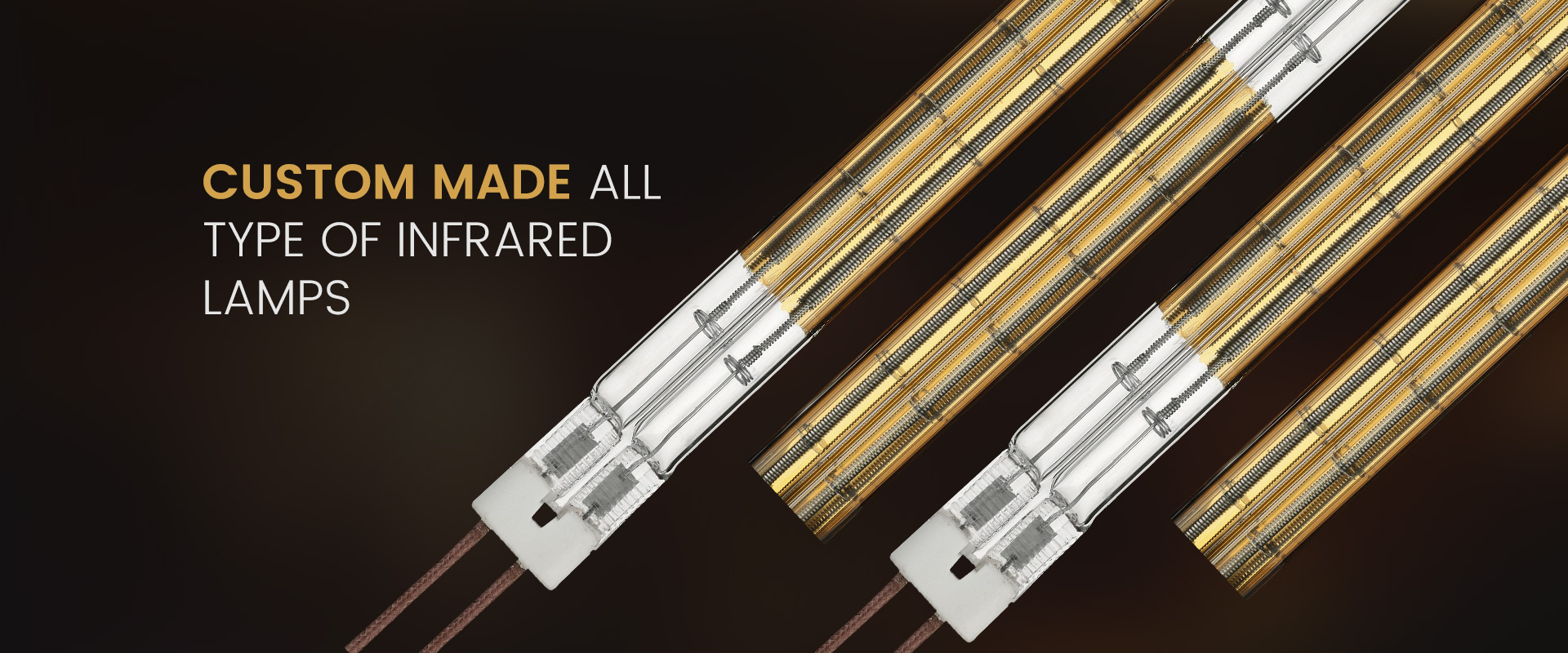
Last modified: 2025-11-25


