Views: 0 Author: Site Editor Publish Time: 2025-09-11 Origin: Site
When I use Infrared Paint Drying, I notice immediate improvements in speed and finish quality. Infrared technology delivers efficient results while keeping energy use low. I appreciate how this method supports eco-friendly practices and adapts to many surfaces. Huai’an Infrared Heating Technology leads the way in reliable infrared solutions for modern paint drying needs.
Infrared paint drying speeds up the curing process, allowing for faster project completion.
This technology provides a smoother, more consistent finish by controlling temperature precisely.
Infrared drying enhances shop productivity by reducing waiting times and increasing job turnover.
Energy efficiency is a major benefit, with savings of over 70% compared to traditional methods.
Infrared paint drying is versatile, suitable for various applications in automotive, woodworking, and packaging.
Using infrared technology helps protect delicate materials, preventing damage during the drying process.
Home improvement projects benefit from infrared drying, making DIY tasks quicker and easier.
Infrared paint drying supports eco-friendly practices by reducing energy consumption and waste.
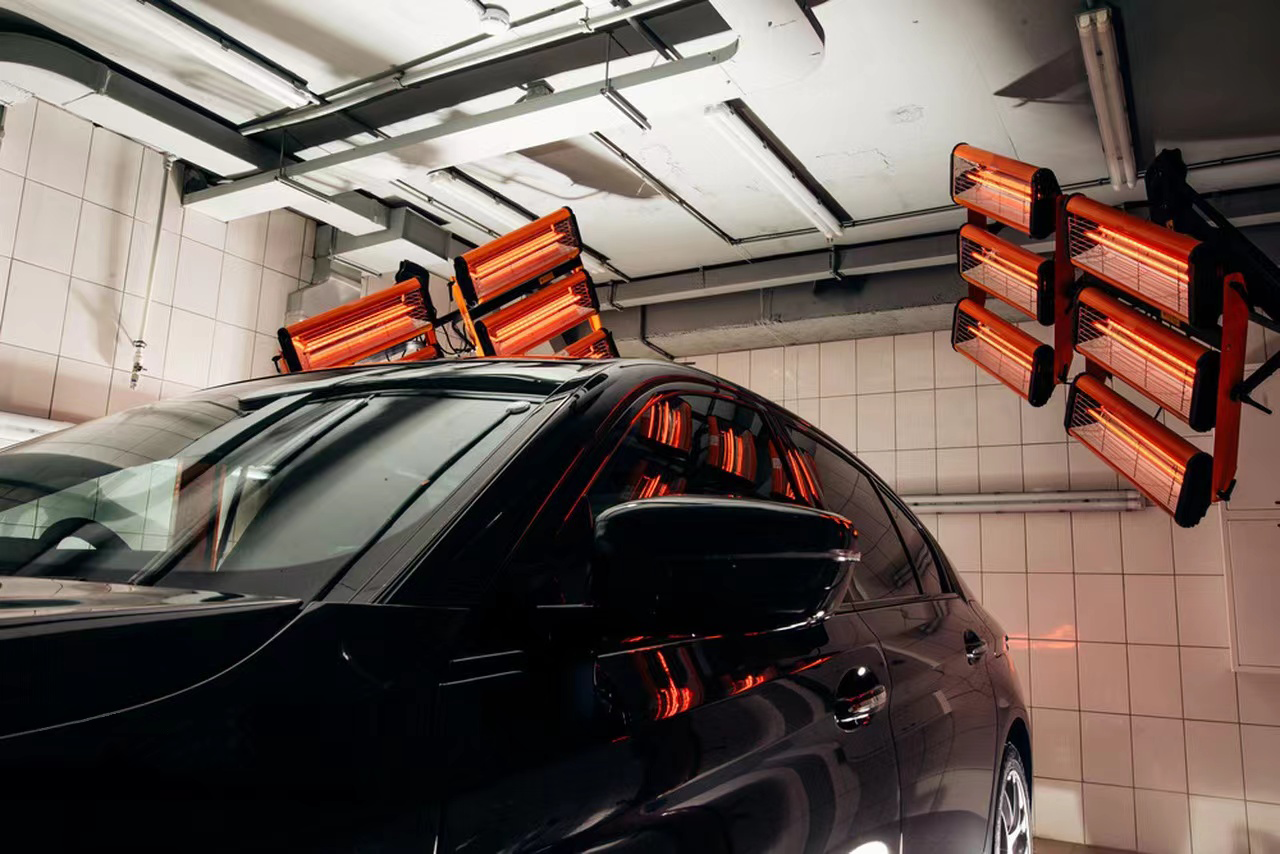
When I work in automotive repair, I see how crucial speed is for both technicians and customers. Infrared paint drying transforms the repair process by delivering rapid results. I rely on this technology to cut down the time needed for paint to cure. Infrared lamps target the painted surface directly, which means the heat penetrates quickly and evenly. This approach reduces the risk of dust or debris settling on the fresh paint. In my experience, this method allows me to complete projects faster and return vehicles to customers sooner. I notice that the turnaround time for car repairs drops significantly, which keeps my workflow efficient and my clients satisfied.
Quality matters just as much as speed. I have found that using infrared paint drying leads to a smoother, more consistent finish. The technology allows for precise temperature control, so I avoid overheating or damaging the paint. Recent advancements, such as the use of silica nano and microparticles with infrared reflective properties, help maintain the standard of automotive finishes. These particles lower the temperature during the drying process, which results in a flawless surface. I trust this method to deliver a high-gloss, durable finish that meets professional standards.
Tip: Infrared paint drying not only speeds up the process but also protects the integrity of the paint, ensuring long-lasting results.
I see a direct impact on shop productivity when I use infrared paint drying. The ability to dry paint quickly means I can handle more jobs in less time. My team spends less time waiting and more time working. This efficiency boosts our output and helps us meet tight deadlines. I also appreciate the versatility of this technology. I use it for a wide range of automotive applications, including:
Coatings on metal wheel rims
Paint on petrol tanks
Airbag fabrics prior to coating
Paint on bumpers
Powder coating on components
Stone chip protection coating
Huai’an Infrared Heating Technology provides reliable solutions that fit seamlessly into my workflow. Their infrared paint drying systems offer the performance and flexibility I need to keep my shop running smoothly. I trust their expertise to help me deliver top-quality results, no matter the size or complexity of the job.
When I work in industrial settings, I see how infrared paint drying transforms the way we handle coatings and manufacturing. The technology brings speed, precision, and sustainability to the forefront of modern production.
I rely on infrared paint drying for powder coating because it delivers heat directly to both the surface and the core of the material. This deep penetration ensures that even complex shapes receive uniform coverage. I often use infrared lamps to reach areas that traditional ovens struggle to heat evenly. This approach helps me achieve consistent results, no matter the geometry of the part.
Here are some of the primary industrial sectors where I see infrared paint drying in action:
Industrial Sector | Description |
|---|---|
Automotive | Utilizes infrared drying for efficient coating processes. |
Signage | Employs infrared technology for durable finishes. |
Packaging | Uses infrared drying to enhance coating applications. |
I notice that these sectors benefit from the rapid and thorough curing that infrared provides. The technology adapts well to different materials and shapes, making it a versatile solution for many applications.
Energy efficiency stands out as one of the biggest advantages I experience with infrared paint drying. When I switch from conventional gas-fired ovens to infrared heating, I see energy savings of over 70%. This targeted heating method focuses on the surface of the substrate, unlike convection ovens that heat the entire part. As a result, I use less energy and reduce operational costs.
Infrared heating targets only the necessary surfaces, minimizing wasted energy.
I achieve lower energy consumption and faster cycle times.
The process supports my goal of running an eco-friendly operation.
I find that infrared paint drying boosts my manufacturing efficiency in several ways. Infrared boosters can cut the time needed to dry or cure coatings by up to 50%. I bring products to their target temperature quickly, which increases my line speeds and throughput. When I combine infrared heat with electric hot air ovens, I ensure uniform heating, even for parts with intricate designs.
I reduce cycle times and increase production rates.
Precise control over the curing process minimizes waste and defects.
The technology supports my commitment to sustainable manufacturing.
Note: Infrared paint drying not only saves energy but also helps me maintain high-quality standards across all my applications.
I work with wood every day. I know that paint drying can slow down production in my workshop. When I use infrared paint drying, I see a dramatic improvement in speed. The technology heats the surface and the core of wooden pieces at the same time. I finish projects faster and deliver furniture to clients without long wait times. I rely on this method for custom cabinets, decorative trims, and painted panels. The rapid temperature rise means I do not worry about delays. I keep my workflow moving and meet tight deadlines with confidence.
Tip: Infrared paint drying helps me avoid bottlenecks in my schedule. I complete multiple pieces in a single day, which boosts my productivity.
Protecting the surface of wood is essential in my line of work. I use infrared paint drying because it provides even heat distribution. This process prevents warping, cracking, and bubbling. I achieve a flawless finish on cabinet doors, window frames, and decorative trims. The precise temperature control allows me to maintain the integrity of the paint layer. I notice that the dried paint resists scratches and stains better than with traditional methods. My clients appreciate the durability and appearance of their furniture.
Here is a table that shows which woodworking projects benefit most from infrared paint drying technology:
Project Type | Description |
|---|---|
Customized Home Furnishing | Drying painted or lacquered wooden panels, cabinet doors, and decorative trims for a flawless finish. |
Door and Window Manufacturing | Ensures even drying of paint coatings on door skins and window frames, minimizing defects and warping. |
Flooring Materials | Cures varnishes on laminate and engineered wood flooring, enhancing scratch resistance and appearance. |
I use this technology for a wide range of projects. I see consistent results across different types of wood and finishes.
I often work with delicate materials such as veneers and engineered wood. Infrared paint drying gives me the control I need to protect these surfaces. I adjust the temperature settings to suit each material. I avoid overheating and preserve the natural beauty of the wood. I trust infrared to handle thin veneers and intricate designs without causing damage. I see that the paint adheres smoothly and dries evenly. My clients receive furniture that looks beautiful and lasts for years.
Note: Infrared paint drying is versatile. I use it for both large furniture pieces and small decorative items. I maintain high standards of quality in every project.
I choose infrared paint drying for woodworking because it saves time, protects surfaces, and adapts to delicate materials. I deliver superior results and keep my clients satisfied.
When I take on home improvement projects, I want tools that make my work easier and faster. Infrared paint drying gives me that advantage. I use infrared lamps to heat the paint directly, which means I do not have to wait long between coats. This technology fits perfectly into my routine, especially for small repairs or touch-ups around the house. I find it accessible and easy to use, even if I do not have professional experience.
Infrared lamps heat the paint directly, leading to quick curing and reduced waiting time between coats.
This technology is ideal for small repairs and touch-ups, enhancing accessibility for home use.
It increases surface gloss and coating adhesion while reducing wrinkles and tears.
I appreciate how infrared paint drying saves energy compared to traditional methods. I do not need to heat an entire room or use bulky equipment. The process feels efficient and straightforward, which encourages me to tackle more DIY projects with confidence.
I always aim for a smooth, professional finish when I paint at home. Infrared paint drying helps me achieve that goal. The heat from the lamps spreads evenly across the surface, so I see fewer streaks or uneven spots. My projects look polished, and the paint adheres better to the surface.
Infrared lamps allow paint to cure and dry within minutes, significantly speeding up the process.
They provide uniform heat distribution, ensuring a smooth and even finish.
Reduced energy consumption compared to traditional curing methods enhances convenience.
I notice that the dried paint resists peeling and cracking. The results last longer, and I spend less time fixing mistakes. This technology makes my home improvement projects look like they were done by a professional.
When I renovate a room, I want to finish quickly without sacrificing quality. Infrared paint drying transforms my workflow. I see a dramatic reduction in drying time, which lets me move on to the next step sooner. The table below shows how much faster infrared paint drying works compared to traditional methods:
Method | Drying Time Reduction |
|---|---|
Infrared Paint Drying | 60% to 80% faster |
Traditional Methods | Standard drying time |
This speed means I can complete renovations in days instead of weeks. I do not have to wait for paint to dry overnight. My projects stay on schedule, and I enjoy the results sooner. Infrared technology has become an essential part of my home improvement toolkit.
When I restore artwork, I always look for methods that protect the original material. I use infrared technology because it offers a gentle process that does not harm delicate surfaces. The controlled heat allows me to dry paint layers without causing cracks or warping. I can adjust the temperature precisely, which helps me work with fragile canvases, old wood panels, and even mixed media pieces. I trust this approach for both oil and acrylic paintings. The even distribution of heat ensures that every part of the artwork receives the same treatment. I avoid the risks that come with traditional heat sources, such as uneven drying or accidental scorching.
Note: I recommend infrared paint drying for any restoration project that requires a careful touch. The process respects the integrity of the original work.
Color preservation stands at the heart of art restoration. I rely on infrared paint drying because it maintains the vibrancy and depth of the original colors. The technology prevents overheating, which can cause fading or discoloration. I see that the pigments stay true to their original shade, even after multiple restoration steps. This method also reduces the risk of yellowing, a common problem with older paintings. I use this process to ensure that the artwork looks as close as possible to its original state.
Here is a quick comparison of how different drying methods affect color preservation:
Method | Color Fading Risk | Color Accuracy |
|---|---|---|
Infrared Paint Drying | Low | High |
Conventional Drying | Medium | Medium |
I always choose the method that gives me the best results for both the artwork and the client.
I know that time matters in art restoration. Clients often want their pieces returned quickly, but I cannot sacrifice quality. Infrared technology helps me reduce paint drying times without compromising the outcome. I can complete each stage of the restoration process faster, which means I finish projects on schedule. The rapid drying also allows me to apply multiple layers in a single day. I see a clear improvement in my workflow and client satisfaction.
I finish projects faster.
I maintain high standards for every piece.
I deliver restored artwork on time.
Tip: Infrared paint drying streamlines my restoration process, making it possible to handle more projects throughout the year.
I work with technical textiles every day. I see how important pre-drying is for achieving the right finish and performance. Infrared paint drying technology gives me precise control over the gelling process. When I apply coatings or dyes to fabrics, I need the material to gel quickly and evenly. Infrared heat penetrates the textile surface and starts the gelling process almost instantly. This rapid response helps me avoid uneven textures or patchy results.
I use infrared pre-drying in several textile processes:
Dyeing of fabrics: I rely on a custom-built infrared drying system to speed up the dyeing process, especially when space is limited. The fabric dries quickly, and I can move on to the next step without delay.
Anti-slip coating for carpet underlays: Infrared technology dries the double-sided anti-slip coating efficiently. I get a consistent finish on both sides, which improves product quality.
Flameproof textiles: I use infrared heat to increase productivity when making flame-retardant textiles. The process ensures that the safety coating gels properly, which is critical for home and commercial use.
Water-repellent coating on fabric: Carbon infrared systems help me achieve faster production speeds for water-repellent coatings. Outdoor clothing benefits from this process, as the coating gels and dries evenly.
Tip: Infrared pre-drying allows me to maintain high production speeds without sacrificing quality. I see fewer defects and more consistent results across every batch.
Material care stands at the core of my textile work. I need to protect the fibers and maintain the integrity of each fabric. Infrared paint drying gives me the control I need to avoid overheating or damaging sensitive materials. I can adjust the temperature to suit different textiles, from delicate synthetics to heavy-duty carpets.
Here is a table showing how infrared pre-drying supports various textile applications:
Application | Benefit of Infrared Pre-Drying |
|---|---|
Carpet Backing | Doubles line speeds and reduces maintenance |
Textile Print on T-Shirts | Optimizes drying, saves energy, improves print quality |
Flameproof and Water-Repellent Fabrics | Ensures even coating and protects fibers |
I notice that infrared systems provide uniform heat distribution. This feature helps me avoid hot spots that could damage the fabric. I also see that the process reduces the risk of shrinkage or fiber distortion. My finished products look better and last longer.
I protect the structure of each textile.
I achieve reliable results, even with challenging materials.
I meet industry standards for durability and appearance.
Infrared paint drying from Huai’an Infrared Heating Technology gives me the confidence to handle any technical textile project. I deliver high-quality results while caring for every fiber in the process.
I work with adhesives in packaging every day. I know that activation speed can make or break a production line. Infrared paint drying gives me the edge I need. The technology delivers heat directly to the adhesive layer. I see the adhesive activate almost instantly. This rapid response keeps my workflow moving. I do not wait for long curing times. I move products from one stage to the next without delay.
When I use infrared paint drying, I notice a dramatic improvement in efficiency. The heat penetrates the adhesive quickly. I achieve strong bonds in a fraction of the time compared to traditional methods. This speed matters most when I handle high-volume packaging runs. I keep up with demand and avoid production bottlenecks.
I rely on infrared technology for a wide range of packaging applications. Here are some of the most common uses I see in my work:
Food packaging
Beverage bottles
Yoghurt pots
Polystyrene cups
Each of these products requires precise adhesive activation. Infrared paint drying ensures that every bond forms correctly and quickly. I trust this method to deliver consistent results, even when I work with different materials and adhesive types.
Tip: Fast adhesive activation means fewer delays and higher output. I recommend infrared paint drying for any packaging operation that values speed.
Versatility stands out as one of the greatest strengths of infrared paint drying in packaging. I work with many different substrates and adhesive formulations. Infrared technology adapts to each one. I adjust the temperature and intensity to match the needs of the material. This flexibility allows me to handle everything from thin plastic films to thick cardboard.
I see the benefits of this versatility in my daily operations. For example, when I coat board for food packaging, I use infrared drying to reduce energy costs. The technology heats only the necessary areas. I avoid wasting energy on the entire environment. This targeted approach saves money and supports my commitment to sustainability.
Here is a table that shows how infrared paint drying supports different packaging applications:
Packaging Product | Benefit of Infrared Drying |
|---|---|
Food packaging | Fast adhesive activation, energy savings |
Beverage bottles | Uniform drying, strong bonding |
Yoghurt pots | Consistent results, reduced defects |
Polystyrene cups | Adaptable to material thickness |
I value the ability to switch between products without changing equipment. Infrared paint drying gives me that freedom. I meet the needs of my clients and maintain high standards across all packaging lines.
Note: Infrared paint drying from Huai’an Infrared Heating Technology helps me deliver reliable, efficient, and sustainable packaging solutions every day.
When I use infrared paint drying, I notice a dramatic reduction in drying times. The technology delivers heat directly to the painted surface. I see paint layers cure in minutes instead of hours. This direct approach eliminates the waiting period that slows down many projects. I can move on to the next step almost immediately. My workflow becomes much more efficient, especially when I handle multiple jobs in a day.
With conventional paint drying, I rely on air movement or convection ovens. These methods heat the surrounding air, not the surface itself. I often wait several hours for paint to dry completely. Sometimes, humidity or temperature changes extend the drying time even further. I find that this process slows down my productivity and makes it harder to meet tight deadlines.
Tip: If you want to finish projects faster, consider switching to a direct heating method.
I always aim for a flawless finish. When I use advanced drying technology, I achieve smooth, even surfaces. The heat penetrates the paint layer evenly, which prevents bubbles, cracks, or uneven spots. I can control the temperature precisely, so I avoid overheating or damaging delicate materials. My clients notice the difference in gloss and durability.
In contrast, traditional drying methods sometimes cause issues. Uneven heat distribution can lead to streaks or dull patches. I have seen paint peel or crack when the drying environment is not ideal. Achieving a professional finish takes more effort and attention.
Here is a quick comparison:
Method | Surface Quality | Risk of Defects |
|---|---|---|
Direct Heating | High | Low |
Conventional | Medium | Medium-High |
Efficiency matters in every project I complete. I use less energy with direct heating because the system targets only the painted area. I do not waste power heating the entire room or oven. My operational costs drop, and I support eco-friendly practices. I also appreciate the quiet operation and lack of emissions.
Traditional methods require more energy and time. I see higher utility bills and more maintenance. The process often creates more waste, which does not align with my sustainability goals.
I save time and money.
I reduce my environmental impact.
I deliver better results with less effort.
Note: Choosing the right drying method can transform your workflow and improve your bottom line.
I see infrared paint drying as a game-changer for both businesses and individuals. The technology delivers fast results, high-quality finishes, and impressive energy savings. I rely on Huai’an Infrared Heating Technology because it supports eco-friendly practices and reduces operational costs.
Benefit | Description |
|---|---|
Fast Drying | Infrared heat accelerates the drying process, improving production speed. |
Energy Efficiency | Carbon infrared emitters use up to 30% less energy than conventional methods. |
Environmental Impact | Infrared drying supports water-based paints, reducing solvent reliance. |
I encourage you to explore infrared solutions for your next project. Experience the difference in speed, quality, and sustainability.
I use infrared paint drying with water-based, solvent-based, and powder coatings. The technology adapts to many paint types. I always check the manufacturer’s recommendations for best results.
Yes, I often use infrared paint drying for home projects. Portable infrared lamps make it easy to dry small surfaces quickly. I find this method convenient and efficient for touch-ups and repairs.
Infrared paint drying targets only the painted surface. I do not waste energy heating the entire room or oven. This direct approach reduces my energy consumption and lowers my operational costs.
I trust infrared paint drying for delicate materials like veneers, textiles, and artwork. The precise temperature control lets me protect sensitive surfaces. I avoid overheating and preserve the integrity of each item.
I adjust the temperature using built-in controls on the infrared system. This feature lets me set the ideal heat level for each project. I monitor the process to ensure consistent, safe drying.
I keep my system running smoothly by cleaning the lamps and checking electrical connections regularly. I follow the manufacturer’s guidelines for maintenance. This routine helps me ensure reliable performance and long equipment life.
Absolutely. I see a significant reduction in drying times with infrared technology. I complete more projects in less time. This improvement boosts my productivity and helps me meet tight deadlines.
Tip: If you want to maximize efficiency, consider integrating infrared paint drying into your workflow.
Infrared Powder Coating Lamps: Pros, Cons, and Key Benefits Explained
How Infrared Heaters Help You Achieve a Smooth, Professional Paint Finish
Industrial Infrared Heating Lamps: Revolutionizing PET Blow Molding, Paint Curing, and Beyond
Paint Curing Efficiency Short Wave IR Lamps Compared to Medium Wave