Home » News » Industry News » Infrared Glass Heating Makes Glass Stronger And Safer

Infrared Glass Heating Makes Glass Stronger And Safer

Views: 0     Author: Site Editor     Publish Time: 2025-09-11      Origin: Site

Inquire

facebook sharing button
twitter sharing button
line sharing button
wechat sharing button
linkedin sharing button
pinterest sharing button
whatsapp sharing button
sharethis sharing button

Infrared Glass Heating Makes Glass Stronger and Safer

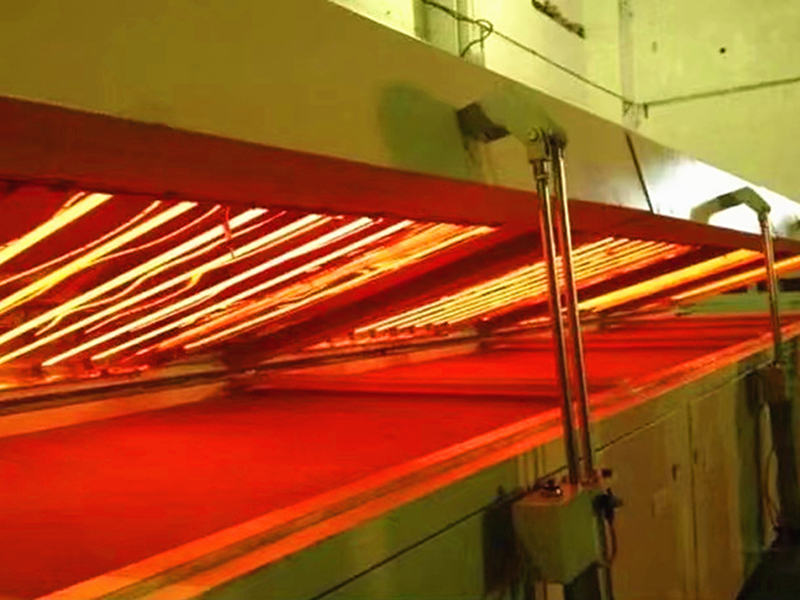
Infrared laminated glass lamp

I have seen infrared glass heating transform the way I approach glass processing. One striking benefit stands out: infrared glass heating strengthens glass and enhances safety in every application. When I use advanced infrared glass heating solutions, like those from Huai'an Infrared Heating Technology, I achieve superior results. This technology delivers precise infrared energy, improving heating efficiency and glass durability. I trust infrared glass heating to deliver consistent quality and reliability.

Key Takeaways

  • Infrared glass heating strengthens glass and enhances safety in various applications.

  • This technology uses electromagnetic radiation to heat glass directly, improving efficiency and durability.

  • Infrared heating reduces energy consumption, making glass processing more sustainable.

  • Uniform heating prevents defects like microcracks, ensuring a flawless finish on glass products.

  • Precise temperature control during the heating process minimizes internal stress, enhancing glass reliability.

  • Infrared systems allow for faster production cycles, reducing heating time by up to 50%.

  • Customizable infrared emitters improve process efficiency for different glass applications.

  • Switching to infrared heating contributes to a cleaner environment by lowering energy use and waste.


Infrared Glass Heating in the Glass Industry

What Is Infrared Glass Heating

When I work with glass, I rely on infrared glass heating to deliver precise and efficient results. This technology uses electromagnetic radiation to transfer heat directly to the glass surface. Unlike traditional convection heaters, which warm the surrounding air, infrared systems focus energy exactly where I need it. I see immediate results because infrared heating provides instant and consistent warmth, even in areas with poor insulation. This direct approach makes a significant difference in glass manufacturing processes, where accuracy and speed matter most.

Tip: Infrared heating does not require a medium to transfer heat, so I avoid unnecessary energy loss and achieve better control over the process.

Infrared Heater Applications

In my experience, the glass industry depends on a wide range of manufacturing processes. I use infrared glass heating for several critical applications:

  • Heating: I preheat glass sheets to prepare them for further processing.

  • Drying: I dry paints and coatings on glass surfaces, ensuring a flawless finish.

  • Coating: I apply and cure decorative or functional coatings with uniform results.

  • Laminating: I bond multiple layers, such as in laminated safety glass, using targeted heat.

  • Cutting: I soften intermediate plastic foils, making it easier to separate and cut glass without damage.

These applications show how versatile and essential infrared heating has become in modern glass manufacturing.

Key Benefits for the Glass Industry

I have seen firsthand how quartz infrared emitters transform the efficiency and precision of glass manufacturing. Here are some of the main advantages:

  • Quartz infrared emitters provide targeted heating, which is crucial for precise glass processing.

  • They help reduce overall energy consumption, making my operations more sustainable.

  • I can customize emitters for specific applications, which enhances both process efficiency and product quality.

The glass industry benefits from these improvements by producing stronger, safer, and higher-quality glass products. I trust infrared systems to deliver consistent results across all manufacturing processes.


Infrared Heating Process

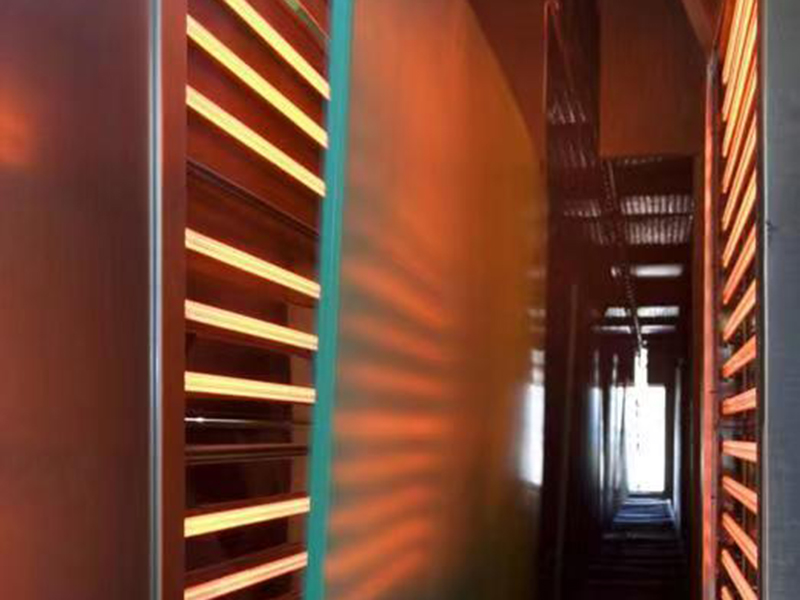
IR heater for Glass lamination


How Infrared Heating Works

When I use infrared heating in glass manufacturing, I rely on the science of electromagnetic energy. Infrared systems deliver infrared energy directly to the glass surface. The molecules in the glass absorb this energy, causing them to vibrate and increase in temperature. This process changes the molecular structure, making the glass stronger and more durable.

To control the temperature accurately, I use infrared pyrometers. These devices measure the thermal radiation emitted by the glass, allowing me to monitor the process without touching the material. I find this essential for maintaining quality, especially during high-temperature operations.

Here is a table that summarizes the scientific principles I use:

Principle

Explanation

Infrared Radiation Detection

Infrared pyrometers measure thermal radiation emitted by objects, crucial for temperature control in glass manufacturing.

Stefan-Boltzmann Law

This law connects the temperature of an object to the intensity of its emitted radiation, ensuring accurate temperature readings.

Non-Contact Monitoring

Infrared pyrometers allow for monitoring of glass temperatures without direct contact, essential for maintaining quality during high-temperature processes.

Energy Transfer in Glass

During the infrared heating process, I observe several mechanisms of energy transfer. Infrared radiation causes the glass to absorb energy, which increases its temperature. The depth of penetration is limited, so the surface heats up first. As the temperature rises, the glass undergoes thermal expansion and stress redistribution, which improves its mechanical properties.

I use the following table to explain how energy moves through the glass:

Mechanism

Description

Conduction

Transfer of thermal energy through physical contact between molecules, leading to thermal equilibrium.

Radiation

Emission of energy through electromagnetic waves, does not require material, and is a surface phenomenon.

Infrared

Emission of energy from objects above absolute zero, transferring energy via electromagnetic radiation.

  • Infrared radiation causes energy absorption in glass, leading to temperature increases.

  • The depth of penetration of infrared radiation is limited, affecting only the surface layer of the glass.

  • Changes in temperature can alter the physical properties of glass, such as thermal expansion and stress distribution.

Medium-Wave and Short-Wave Emitters

I choose between medium-wave and short-wave infrared emitters depending on the application. Medium-wave infrared emitters provide even heating, which is ideal for forming, bending, and tempering glass. I use medium-wave infrared for PVB foils and laminated glass because it matches the absorption characteristics of these materials. This ensures efficient heating and optimal mechanical properties.

Short-wave infrared emitters deliver intense heat, making them perfect for rapid processing and thicker glass sections. I rely on short-wave infrared when I need to heat glass quickly or work with large volumes.

Here is a comparison table:

Type of Emitter

Heating Characteristics

Applications

Medium-wave IR

Even heating

Forming, bending, tempering

Short-wave IR

Intense heat

Rapid processing, thicker glass sections

Gold-plated double-tube radiators play a key role in maximizing efficiency. These radiators reflect over 90% of infrared radiation back to the glass, minimizing heat loss and increasing radiant power density. I achieve working temperatures up to 600°C, which allows me to process glass with precision and speed. The compact twin tube design prevents heat loss from the backside, making my infrared heating process both powerful and energy-efficient.

Strengthening Glass with Infrared Heating

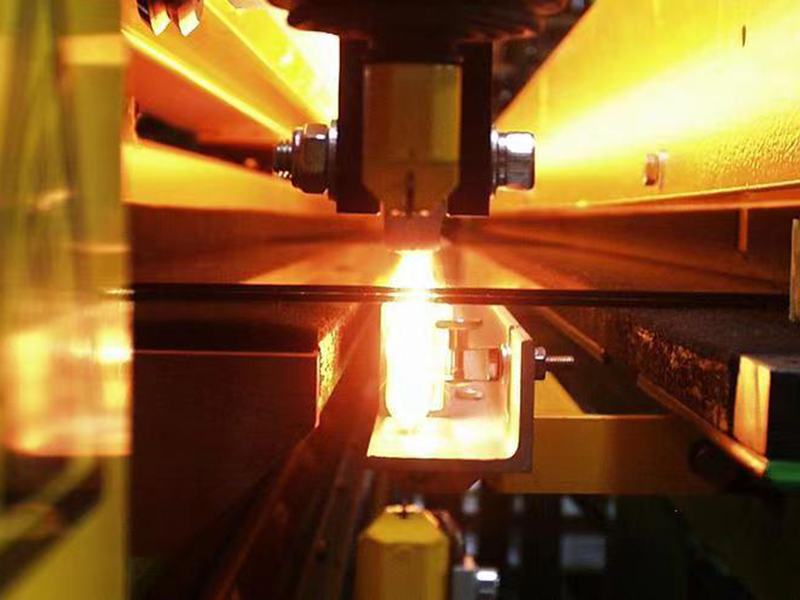
Infrared lamp for Glass Cutting


Uniform Heating

When I process glass, I rely on uniform heating to achieve the best results. Infrared systems allow me to deliver precisely controlled heating across the entire surface. This even distribution of heat prevents the formation of hot spots or cold zones. I notice that when the temperature remains consistent, the glass does not develop microcracks or internal stresses. Uniform heating also helps me avoid defects that can weaken the final product.

Note: Consistent temperature during curing ensures that the glass maintains its structural integrity throughout the process.

I have found that uniform heating is especially important during curing and laminating. The glass absorbs infrared energy quickly and evenly, which leads to a flawless finish. This process reduces the risk of imperfections and increases the overall strength of the glass.

Stress Reduction

Stress reduction plays a critical role in making glass safer and more reliable. When I use infrared heating, I can control the rate at which the glass heats and cools. This control allows me to minimize thermal gradients that often cause internal stress. By reducing these stresses, I prevent warping and distortion during curing.

I have observed that infrared systems help me manage the curing process with great precision. The glass cools at a controlled rate, which further reduces the risk of stress-related failures. This approach leads to a more durable and resilient product.

Improved Structure

Infrared heating does more than just cure glass; it transforms its internal structure. I have seen how the addition of certain compounds, such as CuO, leads to significant changes at the molecular level. Here are some of the improvements I observe:

  • The transformation of [BO3] groups into [BO4] groups creates a denser glass structure.

  • This densification increases the durability and thermal stability of the glass during curing and sealing.

  • Enhanced absorption in the near-infrared region helps reduce thermal damage, making the glass more robust.

These molecular changes result in glass that withstands mechanical and thermal stress much better. I trust infrared heating to deliver these benefits every time I process glass. The precisely controlled heating ensures that the curing process produces a product with superior strength and longevity.


Glass Safety and Quality

Defect Reduction

When I process glass with infrared systems, I notice a dramatic reduction in defects. Infrared heating targets the surface and penetrates the material, drying coatings from the inside out. This method prevents bubbles, inclusions, and surface imperfections that often occur with traditional heating. I see fewer visible flaws and a smoother finish on every sheet.

I rely on precise temperature control to eliminate uneven curing. This approach ensures that coatings and films adhere perfectly, reducing the risk of delamination during transportation and installation.

I use infrared heating to achieve consistent results. The technology allows me to regulate the process, so I avoid common problems like warping or cracking. My clients appreciate the flawless appearance and reliability of the glass I deliver.

Enhanced Durability

Infrared heating gives me a clear advantage when I want to produce durable glass products. I have observed several benefits:

  • I reduce heating time from 15-20 minutes to just 5-8 minutes per sheet, which boosts production efficiency by at least 50%.

  • Uniform heating leads to consistent film curing. I improve adhesion by 30%, which lowers the risk of delamination.

  • I decrease energy consumption by 35% compared to traditional hot air methods, which helps me lower production costs.

  • Infrared heating is contactless. I minimize the risk of deformation and cracking, so the glass remains strong and stable.

  • The use of specific wavelengths tailored to glass absorption improves the heating process. I gain better control and regulation over each batch.

I trust infrared systems to deliver faster and more stable results. The durability of my glass products stands out in demanding environments, whether for automotive, architectural, or specialty applications.

Safety Features

Safety is always my top priority. Infrared heating technology provides me with precise temperature control, which helps reduce breakage. I rely on optimal heat distribution to enhance the safety of processes like annealing, bending, fusing, and tempering glass.

  • I maintain ideal temperature gradients, which preserves optical clarity and prevents stress fractures.

  • The technology supports consistent results, so I avoid sudden temperature changes that could compromise safety.

  • My clients depend on glass that resists impact and shattering. Infrared heating allows me to deliver products that meet strict safety standards.

I have confidence in the safety features of glass processed with infrared systems. The combination of advanced heating and careful regulation ensures that every product is both strong and secure.


Infrared Heater Applications in Glass Processing

Laminating and Cutting

I rely on infrared heater applications to streamline laminating and cutting tasks in my daily work. When I prepare laminated glass, I use infrared systems to preheat the sheets and soften the PVB foils. This targeted approach allows me to separate layers without damaging the glass. I find that gold reflectors on the emitters direct heat exactly where I need it, which improves processing efficiency and reduces waste.

Here is a table that highlights the main benefits I experience during these glass processing applications:

Benefit

Description

Targeted Heat Application

Infrared heating directs heat specifically to the foil inside laminated glass, avoiding unnecessary heating of the entire pane.

Energy Efficiency

The precise adjustment of infrared emitters saves time, energy, and costs during the laminating process.

Optimal Absorption

Medium-wave infrared radiation is ideal for glass absorption, enhancing the quality of the cutting process.

Accurate Temperature Control

Infrared emitters can be controlled to create precise temperature profiles, crucial for tempering glass.

Gold Reflector Technology

Gold reflectors on emitters ensure that heat is directed exactly where needed, improving processing efficiency.

I use customised infrared systems, such as YRF twin tubes up to 6 meters, to match the size and shape of each project. This flexibility helps me maintain high standards in every processing step.

Drying and Coating

Infrared heating plays a vital role when I dry and coat glass surfaces. I often work with water-based paints and coatings, which require efficient drying to prevent imperfections. Medium-wave infrared emitters deliver wavelengths that water absorbs quickly, speeding up evaporation and reducing drying time.

I follow these steps to achieve optimal results:

  1. I apply water-based coatings to the glass surface.

  2. I use medium-wave infrared emitters to accelerate evaporation, since water absorbs this wavelength efficiently.

  3. I select carbon infrared emitters for high surface power, which dries paints faster and uses up to 30% less energy than short-wave emitters.

This process ensures that coatings cure evenly, resulting in a flawless finish. I avoid bubbles and surface defects, which improves the quality and durability of the final product.

I trust infrared systems to deliver consistent results in every drying and coating project. The technology saves me time and energy while maintaining high standards.

Automotive and Architectural Glass

I see infrared heater applications making a significant impact in automotive and architectural glass processing. When I manufacture windshields, I use infrared heating to dry screen prints and decorative coatings. The precise control of temperature prevents warping and ensures that each piece meets strict safety standards.

For large architectural panels, I rely on customised infrared systems to handle oversized glass sheets. The flexibility of YRF twin tubes, which can reach up to 6 meters, allows me to process panels for modern buildings efficiently. I achieve uniform heating and flawless finishes, which are essential for both safety and aesthetics.

Infrared heating supports my work in producing glass that meets the demands of automotive and architectural projects. I deliver products that combine strength, clarity, and durability.


Infrared Heating vs. Traditional Methods

Efficiency

When I compare infrared heating to traditional methods, I notice a dramatic improvement in efficiency. Infrared systems deliver heat directly to the glass surface, which means I waste less energy. The process allows me to reach working temperatures much faster. I often see up to a 50% increase in heating rate, which helps me boost production capacity. High efficiency is a major advantage in my daily operations. I spend less time waiting for glass to reach the right temperature, and I avoid unnecessary delays.

I also consider the cost implications. The initial investment for infrared panels ranges from £150 to £500 per panel, depending on size and power output. Although the upfront cost is higher than conventional electric heaters, I find that the long-term savings are significant. A 500W infrared panel costs about 12.5p per hour to operate, which translates to a monthly cost of £3.75-£7.50 for regular use. This value is excellent when I factor in the reduced energy loss and improved efficiency.

  • Infrared heating warms surfaces directly, so I use less energy overall.

  • I achieve faster production cycles, which increases my output.

  • The technology saves me space, since infrared panels are compact and easy to install.

Quality

Quality is always my top priority. Infrared heating gives me precise control over temperature, which leads to more consistent results. I rarely see defects like deformation or cracking in the glass I produce. The uniform heating ensures that every sheet meets strict standards for strength and safety. I rely on this technology to deliver flawless products, whether I am working on automotive windshields or architectural panels.

Here is a comparison table that highlights the differences between infrared heating and conventional methods:

Aspect

Infrared Heating

Conventional Methods

Thermal Response

Up to 50% faster heating rate

Slower heating

Heating Uniformity

More uniform heating

Less uniform heating

Temperature Control

Precise temperature control

Less precise control

Defect Reduction

Reduces deformation and cracking

Higher risk of defects

Energy Efficiency

Reduces energy consumption

Higher energy consumption

Production Capacity

Significantly increases capacity

Lower production capacity

I trust infrared systems to deliver high-quality glass every time. The technology reduces the risk of imperfections and ensures that my products remain strong and reliable.

Environmental Impact

I care about the environment and always look for ways to reduce my carbon footprint. Infrared heating helps me achieve this goal. The system uses less energy, which means I lower my overall consumption. I see a reduction in greenhouse gas emissions because the process is more efficient. Infrared panels operate at lower costs and require less maintenance, which further decreases my impact on the environment.

I also appreciate the space savings. Infrared panels are compact, so I need less room for installation. This allows me to optimize my workspace and minimize waste. The reduced risk of deformation or cracking means I throw away fewer defective products, which helps me conserve resources.

I believe that switching to infrared heating is a smart choice for anyone who values efficiency, quality, and sustainability. The benefits extend beyond my own operations and contribute to a cleaner, greener future.

I have seen infrared heating transform my glass production, delivering unmatched strength, safety, and quality. The technology from Huai'an Infrared Heating Technology gives me precise control and reliable results. I expect rapid advancements in the industry, including:

  • Heated windshields supporting autonomous driving and ADAS.

  • Significant market growth driven by innovation and regulatory standards.

  • Energy-efficient solutions enhancing electric vehicle performance.

I encourage others to embrace infrared solutions for superior results and future-ready glass manufacturing.


FAQ

What makes infrared heating better for glass processing?

I use infrared heating because it delivers precise, direct energy to the glass surface. This method helps me achieve faster heating, better control, and fewer defects compared to traditional systems.

Can I customize infrared heating systems for different glass sizes?

I often customize infrared heating systems to fit my project needs. YRF twin tubes can reach up to 6 meters, allowing me to process large or small glass panels efficiently.

How does infrared heating improve glass safety?

I rely on infrared heating to maintain consistent temperature gradients. This process reduces stress fractures and enhances impact resistance, making my glass products safer for automotive and architectural use.

Is infrared heating energy efficient?

I save energy with infrared heating because it targets only the glass, not the surrounding air. My production costs drop, and I see a significant reduction in energy consumption compared to conventional methods.

What types of glass benefit most from infrared heating?

I use infrared heating for laminated, tempered, and coated glass. This technology works well for automotive windshields, architectural panels, and specialty glass products.

How quickly can I process glass using infrared heating?

I often reduce heating time by up to 50%. Infrared heating allows me to process each sheet in just 5-8 minutes, which boosts my production speed and efficiency.

Does infrared heating affect the appearance of glass?

I notice that infrared heating produces a flawless finish. The technology prevents bubbles, inclusions, and surface imperfections, so my glass looks smooth and clear.

Can I use infrared heating for drying paints and coatings?

I use infrared heating to dry water-based paints and coatings on glass. Medium-wave emitters speed up evaporation, helping me achieve even curing and a perfect surface.


Huai’an Infrared Heating Technology is a manufacturer of Quartz IR emitters.

Product Category

Quick Links

Contact Us

Copyright © 2022 Huai'an Infrared Heating Technology. All Rights Reserved.| Sitemap  Supported By Leadong