


Author: Site Editor Publish Time: 2025-10-15 Origin: Site


As people increasingly invest in outdoor living spaces, the demand for reliable and efficient heating solutions continues to grow. Whether for a home patio, restaurant terrace, or hotel balcony, maintaining warmth outdoors is essential for year-round comfort. This is where the remote control outdoor heater stands out — combining convenience, efficiency, and modern design.
In this article, we explore how these heaters work, answer common questions found in Google’s “People Also Ask” section, and guide readers on how to choose the most energy-efficient and
reliable models available today.
A remote control outdoor heater is a type of electric or gas-powered heating device designed to warm outdoor areas. The defining feature is the remote control system, which allows users to adjust temperature, timer, and power levels conveniently without manual operation.
Most modern models, especially infrared electric heaters, use advanced heating elements that convert electricity into radiant heat. This radiant heat directly warms people and objects, rather than the air, ensuring effective comfort even in windy conditions.
Common applications include:
Residential patios and gardens
Restaurant terraces and outdoor dining spaces
Commercial outdoor lounges or event venues
This technology is not just about comfort — it represents a smart and energy-conscious way to enjoy outdoor life.
Outdoor heaters come in several types, each with its pros and cons. The most popular options include:
Electric heaters, especially infrared models, are widely regarded as the best choice for most outdoor spaces. They are easy to install, safe to operate, and offer instant heating without combustion or emissions.
Gas heaters (using propane or natural gas) provide powerful heat output but require ventilation, fuel refills, and proper safety management. They are more suitable for open areas and commercial setups.
Wall-mounted heaters: Great for fixed patio installations.
Ceiling-mounted heaters: Ideal for covered terraces.
Freestanding heaters: Provide flexibility and mobility.
Overall, infrared electric remote control heaters are typically the best for outdoor environments. They are energy-efficient, low-maintenance, and unaffected by wind, making them a smart long-term investment.
Yes — outdoor heaters, especially infrared ones, truly work. The secret lies in their heating mechanism. Traditional convection heaters warm the air, which quickly dissipates outdoors. Infrared heaters, however, emit radiant heat that directly warms people, furniture, and surfaces. This method ensures consistent comfort even when the air temperature is cool.
Wind resistance: Infrared heaters are less affected by wind compared to gas models.
Coverage area: A 1500W infrared heater can comfortably cover 10–15 square meters.
Comfort experience: Many restaurants and hospitality businesses use outdoor heaters to extend outdoor service seasons and improve guest satisfaction.
When equipped with remote control functionality, users can fine-tune heat output based on conditions, optimizing comfort and energy use.
Remote control outdoor heaters operate through a combination of infrared heating elements and digital control systems.
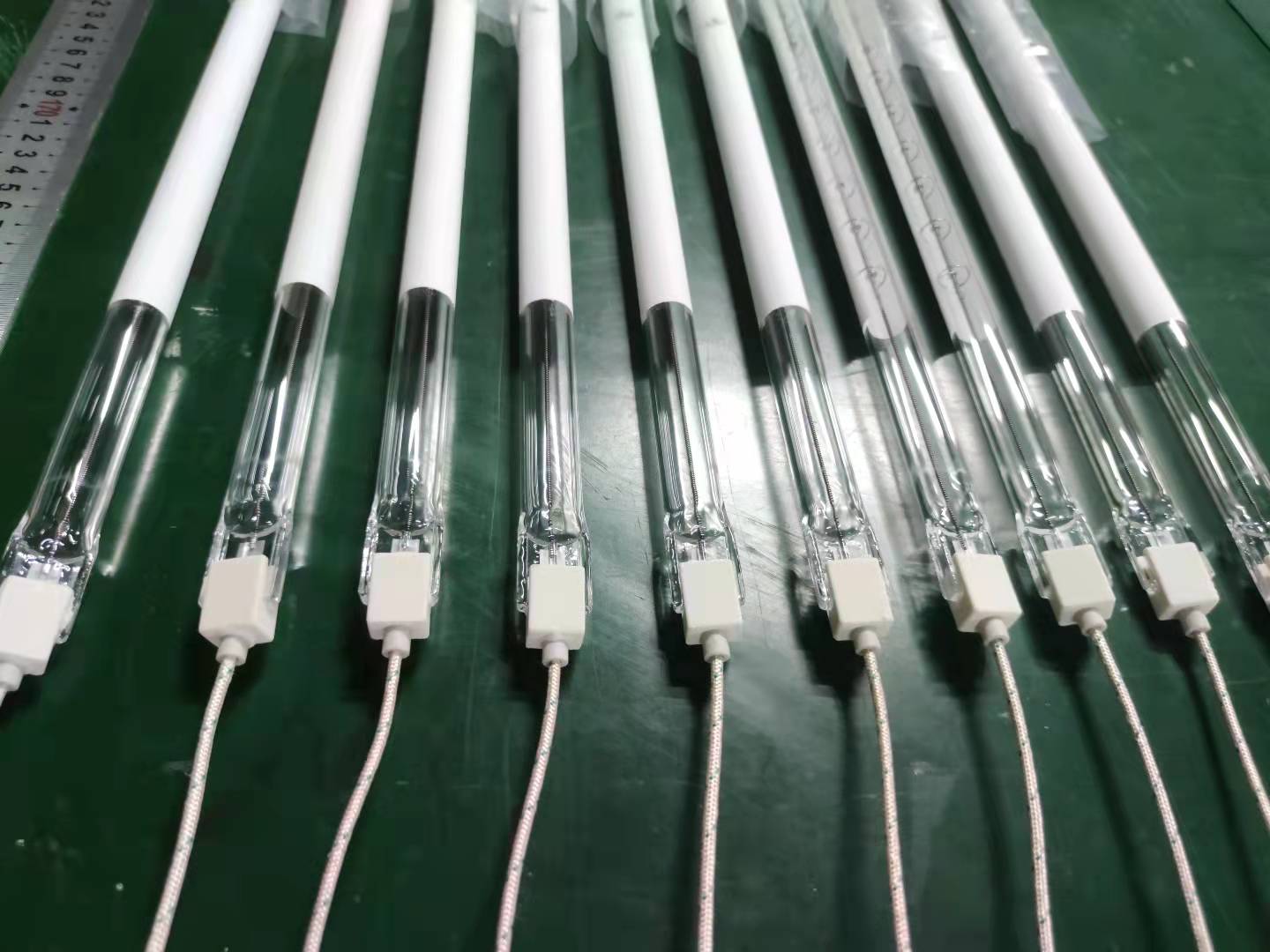
Infrared heating element: Converts electricity into radiant energy, often using advanced materials like carbon fiber for high efficiency.
Reflective housing: Focuses and directs heat precisely toward desired areas.
Remote control module: Allows wireless control of temperature, timer, and power modes.
Smart home integration: Many modern heaters support Wi-Fi or voice control compatibility.
This integration of heat technology and digital convenience is transforming the way outdoor spaces are managed.
This is a common concern among users. The short answer: not necessarily.
A typical 1500W infrared outdoor heater consumes around 1.5 kWh per hour. Depending on local electricity rates, this usually translates to less than the cost of running a household appliance such as a hair dryer.
Use timer and power settings to avoid unnecessary energy use.
Install heaters strategically, focusing on frequently used areas.
Choose high-efficiency carbon fiber elements, which convert up to 95% of energy into usable heat.
Remote-controlled systems allow users to adjust settings effortlessly, helping balance comfort and energy efficiency.
When it comes to efficiency, infrared carbon fiber heaters stand above other types.
These heaters operate by converting nearly all electrical input into radiant heat, minimizing waste.
Carbon fiber elements: Provide faster heat-up times and higher energy conversion rates.
Directional heat design: Reflectors help target warmth where it’s needed most.
Durable construction: Weather-resistant materials ensure consistent performance year-round.
For example, Yinfrared’s remote control infrared heaters combine carbon fiber heating elements with smart temperature regulation, delivering both comfort and efficiency. This makes them an ideal solution for homeowners and businesses seeking sustainable outdoor heating.
Convenient remote operation: Adjust settings without leaving your seat.
Consistent comfort: Infrared technology ensures even heat distribution.
Energy savings: High conversion efficiency reduces running costs.
Modern aesthetics: Sleek, weather-resistant designs complement outdoor décor.
Flexible installation: Options for wall, ceiling, or freestanding setups.
These benefits make remote control heaters the preferred choice for modern outdoor living spaces.
When selecting the right model, consider the following factors:
Heating Power (Watts): Match wattage to your space size — typically 1500–2000W per 10–15 m².
Mounting Style: Choose wall-mounted for fixed areas, or freestanding for mobility.
Weather Resistance: Look for IP55 or higher protection ratings.
Design and Aesthetics: Ensure it complements your patio or garden setup.
Brand Reputation: Select trusted manufacturers that provide durable and safe systems.
Avoid low-quality heaters that lack certified safety features or proper warranty coverage.
Yinfrared is a leading manufacturer specializing in infrared heating solutions for residential and commercial applications. Their remote control outdoor heaters are designed with precision, efficiency, and durability in mind.
Advanced carbon fiber heating elements for superior performance.
Smart remote and Wi-Fi controls for effortless operation.
Durable IP65 weatherproof construction, suitable for all climates.
Modern design ideal for patios, restaurants, and outdoor lounges.
To explore the full range of Yinfrared outdoor heating solutions, visit Yinfrared.com.
To maintain performance and safety:
Regularly clean the heater surface and reflectors.
Ensure correct installation height and distance from combustible materials.
Inspect electrical connections periodically.
Store or cover heaters during extreme weather when not in use.
Proper maintenance not only extends lifespan but also enhances energy efficiency.
Outdoor heating is no longer a luxury — it’s a necessity for extending comfort throughout the year. A remote control outdoor heater offers unmatched convenience, energy efficiency, and modern design for any outdoor space.
When combined with infrared carbon fiber technology, these heaters provide sustainable warmth with minimal energy waste. For homeowners and businesses seeking reliable solutions, Yinfrared delivers products that balance performance, design, and durability.
Explore more at Yinfrared’s official website to find the perfect heating solution for your outdoor environment.
Q1: What type of heater is best for outdoors?
Infrared electric heaters are typically the best option for outdoor use due to their efficiency and resistance to wind.
Q2: Do outdoor heaters really work in cold weather?
Yes. Infrared outdoor heaters directly warm people and objects, ensuring consistent comfort even in cold or breezy conditions.
Q3: Do outdoor heaters use a lot of electricity?
Not necessarily. A 1500W infrared heater consumes around 1.5kWh per hour, and remote control features help reduce unnecessary energy use.
Q4: What is the most energy-efficient outdoor heater?
Carbon fiber infrared heaters are among the most energy-efficient, converting over 90% of electricity into heat.
