


Author: Site Editor Publish Time: 2025-10-13 Origin: Site


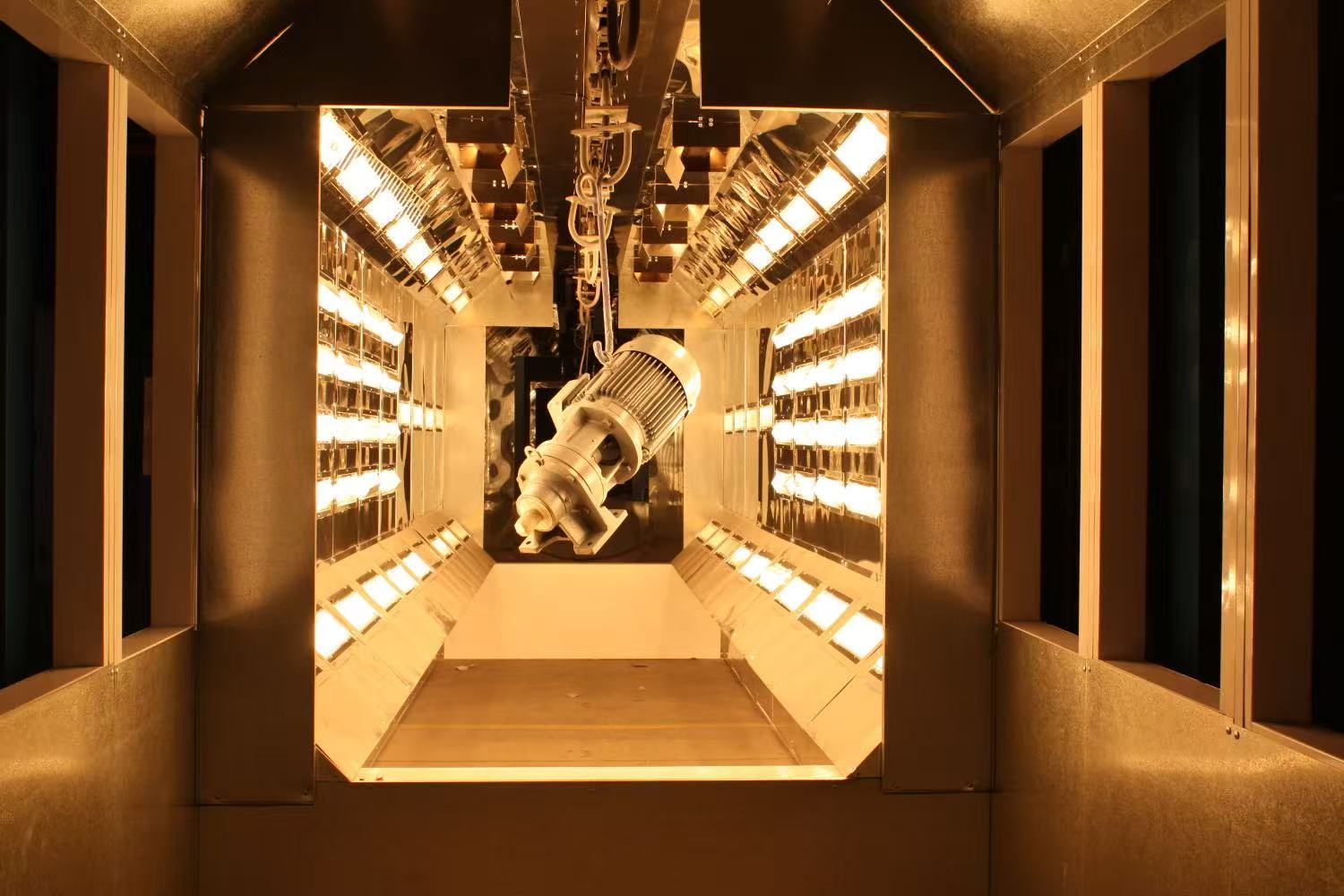
Fostoria infrared heaters are renowned for their efficient, targeted heating in industrial and commercial settings. However, when performance drops—manifested as uneven heating, longer warm-up times, or a complete failure to heat—the core issue often lies with the heart of the system: the infrared lamp.
This comprehensive guide will walk you through everything you need to know about Fostoria replacement infrared lamps, from diagnosing a failing lamp to selecting a compatible, high-performance replacement and executing a safe installation.
Before ordering a replacement, it's crucial to confirm the lamp is the culprit. Here are the most common indicators of a lamp at the end of its service life:
Reduced Heating Efficiency: The process takes longer to reach the desired temperature, or it never quite gets there, leading to increased energy costs for diminished returns.
Visible Changes in the Lamp:
Darkening: The quartz glass tube develops black spots or a general dark haze. This is often caused by tungsten evaporation from the filament, which blocks radiant energy.
Flickering or Uneven Glow: Sections of the lamp may appear dimmer or flicker inconsistently.
Complete Failure: The lamp does not light up at all.
Physical Damage: Cracks in the quartz tube, a sagging or broken filament, or damage to the end contacts are clear signs of failure.
Short Cycling: The heater turns on and off more frequently than usual as it struggles to maintain temperature.
Pro Tip: If one lamp in a multi-lamp heater fails, it's often cost-effective to replace the entire set. This ensures uniform heating performance and prevents you from repeatedly returning to the same maintenance task.
Selecting the correct replacement is not just about making the heater work again; it's about restoring its original efficiency and reliability. Using an incorrect lamp can lead to poor performance, damage to the heater's electrical system, or even safety hazards.
Here is a checklist for selecting the right Fostoria replacement infrared lamp:
Physical Dimensions: This is non-negotiable. You must match the:
Total Length (L)
Tube Diameter (D)
Mounting Center (C) - the distance between the two ends.
Consult your Fostoria heater's manual or carefully measure the old lamp.
Electrical Specifications: Mismatched electrical specs are a primary cause of premature failure.
Wattage: Must be identical to the original specification.
Voltage: Must match the heater's operating voltage (e.g., 120V, 208V, 240V).
Base Type: The most common base for industrial infrared lamps is the R7s base. Ensure the new lamp has the identical base configuration.
Quality and Material: This is where you can actually improve upon the original.
Fused Quartz Quality: High-purity, fused quartz glass allows for superior transmission of infrared energy (around 92-94% transmissivity) compared to lower-quality alternatives. This translates to faster heating and lower energy consumption.
Filament Construction: A robust, well-supported tungsten filament ensures longevity and resistance to shock and vibration.
When your goal is not just replacement, but performance and reliability, consider the Yinfrared YFR Series Replacement Infrared Lamps.
Guaranteed Compatibility: Engineered specifically as direct replacements for Fostoria infrared heater models, ensuring a perfect fit and electrical match.
Enhanced Efficiency: Manufactured from premium fused quartz, our lamps achieve excellent infrared transmissivity, delivering more heat to your target and less wasted energy.
Extended Service Life: Optimized filament design and rigorous quality control result in a longer operational lifespan, reducing your long-term maintenance costs and downtime.
Ready to find your exact match? Explore the detailed specifications and compatibility list for our YFR Series Fostoria Replacement Infrared Lamps to make an informed decision.
Safety Warning: Always disconnect all power to the heater at the circuit breaker before performing any maintenance. Allow the heater and the old lamp to cool completely to avoid severe burns.
Tools Required: Gloves (to prevent skin oils from contaminating the new quartz tube), safety glasses.
Installation Steps:
Power Down & Cool: Switch off the breaker powering the heater. Wait at least 30-45 minutes for the entire assembly to cool to room temperature.
Gain Access: Remove the heater's protective guard or access panel. This may involve unscrewing a few fasteners or simply unlatching a clip, depending on your Fostoria model.
Remove the Old Lamp: Identify the mounting springs or ceramic holders at each end of the lamp. Gently compress one spring towards the center of the lamp and carefully pull that end free from its socket. Then, remove the entire lamp.
Install the New Yinfrared Lamp: Wearing gloves, take your new YFR series lamp. Avoid touching the clear quartz tube with bare hands. Align one end with its socket and gently compress the spring on the opposite end to slide it into place. Ensure both ends are seated securely and the contacts are properly engaged.
Reassemble and Test: Reinstall the protective guard or access panel. Restore power at the circuit breaker and turn on the heater for a brief test. The new lamp should light up evenly and brightly.
Q1: Can I use a generic brand of infrared lamp for my Fostoria heater?
A: While you can use other brands, it is critical that the lamp's physical dimensions, wattage, voltage, and base type are an exact match. Using a non-compatible lamp can lead to inefficient heating, damage to the heater's reflector and electrical components, and void your equipment's warranty. Opting for a dedicated replacement line like Yinfrared guarantees compatibility and performance.
Q2: My new lamp doesn't light up after installation. What should I check?
A: First, double-check that the power is restored. If power is confirmed, the most common issue is poor contact. Turn the power back off and inspect:
Are the lamp ends fully and securely seated in their sockets?
Are the contact points in the sockets clean and free of corrosion or carbon buildup?
Check the mounting springs; they may have lost tension and are not holding the lamp firmly.
Q3: How can I maximize the lifespan of my new infrared lamps?
A:
Avoid Frequent Cycling: Minimize on/off cycles where possible.
Maintain Cleanliness: Keep the heater's reflector and the lamps themselves clean from dust and debris, which can trap heat and cause hotspots.
Prevent Physical Shock: Avoid impacts or vibrations to the heater during operation.
Ensure Proper Environment: While infrared lamps are robust, protecting them from direct moisture splash or excessive airborne contaminants is beneficial.
A failing infrared lamp doesn't mean your reliable Fostoria heater is at its end of life. By correctly diagnosing the issue, selecting a high-quality, fully compatible replacement lamp like the Yinfrared YFR Series, and following safe installation practices, you can quickly and effectively restore your equipment's heating performance, improve energy efficiency, and reduce operational downtime.

