Knowing that you are interested in Infrared quartz heating lamp, we have listed articles on similar topics on the website for your convenience. As a professional manufacturer, we hope that this news can help you. If you are interested in learning more about the product, please feel free to contact us.
Learn how infrared heat lamps deliver efficient, fast, and uniform heating for industrial drying, curing, and processing. Explore lamp types, advantages, and application selection criteria.
In corrosive chemical environments, every extra degree of temperature margin and every hour of uptime matters. This guide explains how plant engineers, system integrators, and chemical equipment OEMs can use quartz infrared heating lamps to improve corrosion resistance, reduce maintenance, and gain
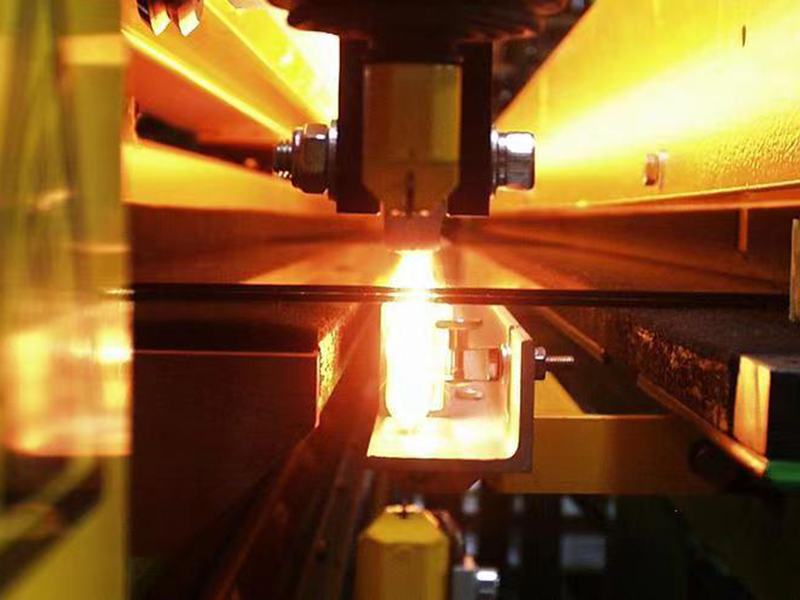
This article provides a comprehensive overview of infrared glass heating technology and its transformative impact on the glass industry. It details how targeted infrared energy delivers precise, uniform heating to strengthen glass, enhance its safety, and improve its durability. The piece covers key applications such as laminating, cutting, drying, and coating, highlighting significant benefits like reduced defects, lower energy consumption, and faster production cycles. A direct comparison with traditional methods underscores infrared technology's superior efficiency, quality, and environmental advantages, positioning it as the future of modern glass manufacturing.
YFR Infrared Heating YFR is an industrial infrared heating manufacturer specializing in custom quartz IR lamps, replacement infrared lamps, gold reflector emitters, heating modules, and control systems for printing, coating, PET blow molding, paint curing, plastic forming, and industrial drying equipment.