Author: Process Heating Engineer Publish Time: 2026-03-24 Origin: Site
Last updated: August 29, 2026
Industrial infrared safety cannot be decided from the terms near infrared or far infrared alone. Risk depends on irradiance at the operator position, exposure time, viewing geometry, source temperature, hot surfaces, electrical design and the safeguards around the machine.
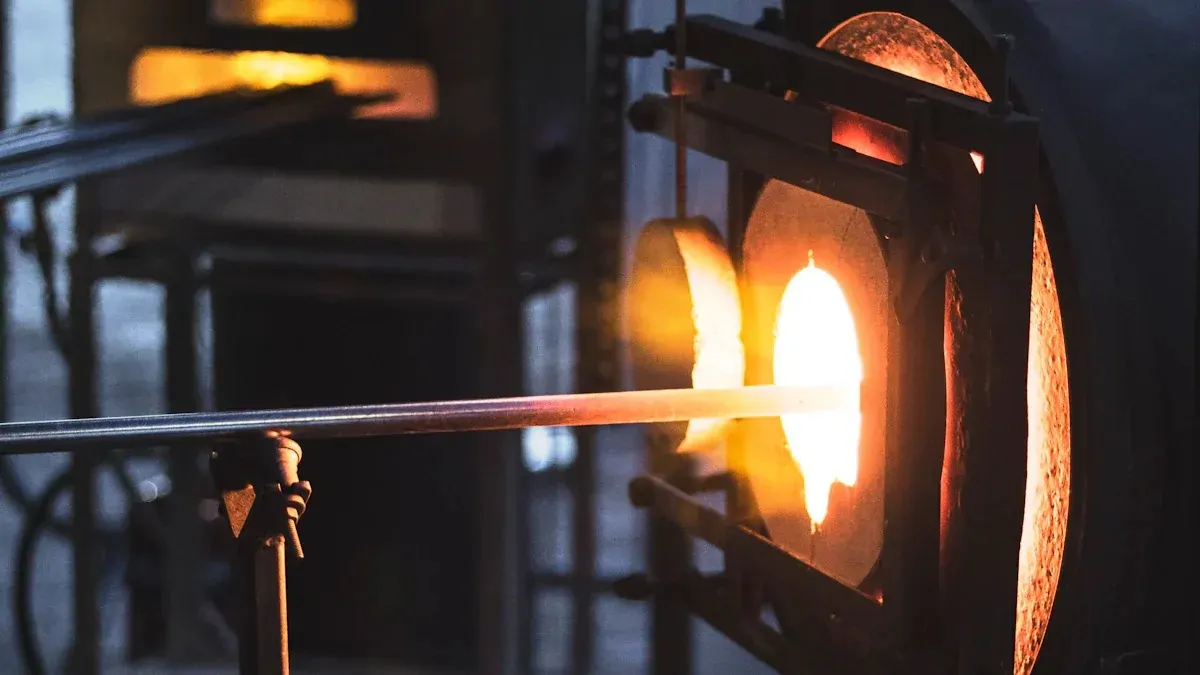
Review direct viewing of the source, reflected radiation, hot housings, heated products, electrical terminals and maintenance access. Include normal work, setup, cleaning, troubleshooting and lamp replacement.
Use measurements and a competent risk assessment where exposure may be significant. Wavelength is one input, but it does not replace evaluation of intensity, distance, duration and line of sight.
Control level | Examples | Verification |
|---|---|---|
Engineering | Enclosure, guards, shutters and interlocks | Functional test |
Process | Automatic power reduction during stops | Fault simulation |
Administrative | Restricted access and work procedures | Training records |
PPE | Selected from the assessed residual risk | Specification and inspection |
Provide isolation, lockout, cool-down time and proof of de-energisation. Fragile quartz, sharp edges and stored heat require suitable handling. Replace damaged holders, leads or guards before energising the zone.
Integrate safeguards with YFR infrared heating controls, the selected industrial lamp assembly and the machine safety system.
Record lamp type, installed position, shielding, interlock tests and authorised settings. Repeat the assessment after changes to wattage, distance, reflector, enclosure or production speed.
No. Exposure level, duration and hot surfaces still require assessment.
Only PPE selected for the assessed hazard should be used.
That depends on access and risk; opening a guard may need safe power removal.
After relevant design, lamp, control or process changes.
Send YFR the lamp layout, enclosure and control requirements for an equipment-level review; site safety approval remains the operator’s responsibility.


