Author: Site Editor Publish Time: 2025-12-08 Origin: Site
Last updated: August 29, 2026
Under vacuum, convection becomes weak and heat reaches the load mainly by conduction and radiation. Infrared can support exposed surfaces, but integration requires vacuum-compatible feedthroughs, contamination control, line-of-sight access, product-temperature feedback and coordination with the pressure profile.
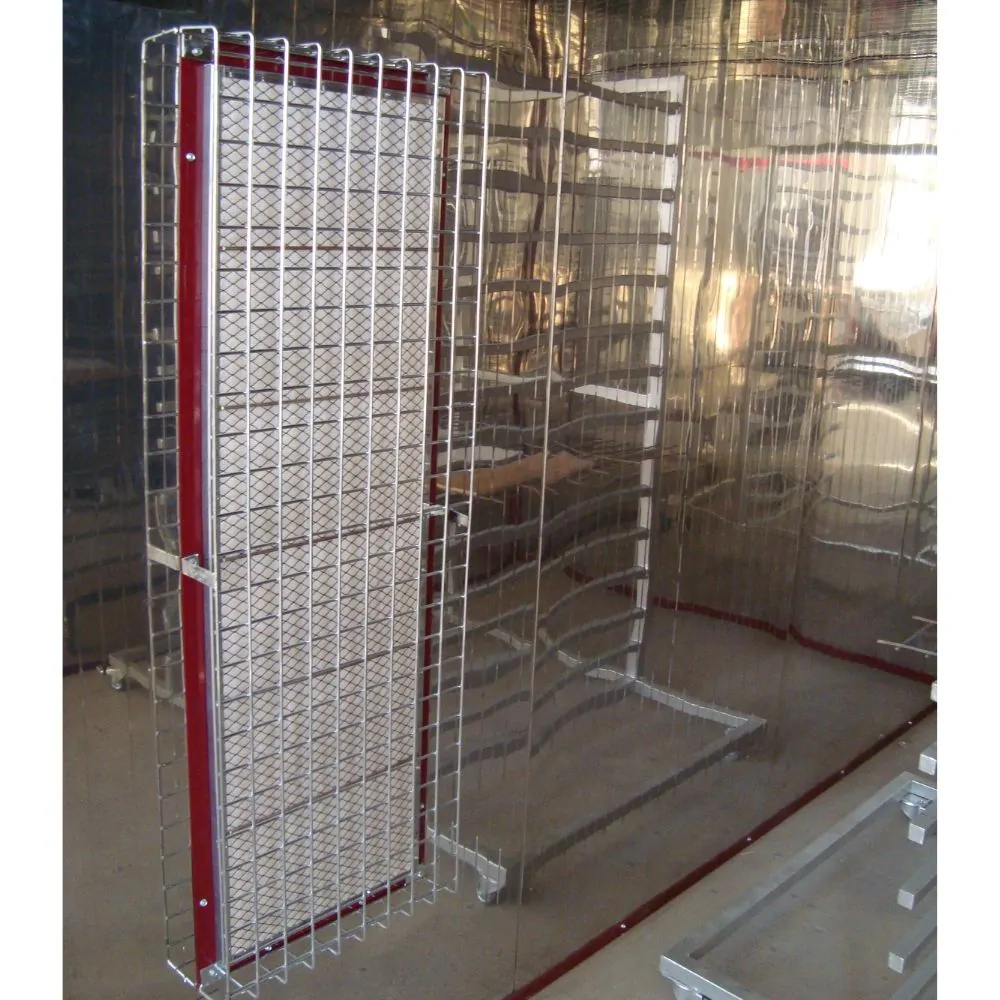
Record product, tray layout, load mass, initial and target moisture or solvent, pressure curve, temperature limit and current cycle. Determine whether heat input, internal diffusion or vapour removal is actually limiting the process.
Infrared may provide early preheat, a controlled boost beside heated shelves or the main radiant source in a purpose-designed chamber. Lamps outside an infrared-transparent window simplify electrical isolation but introduce window transmission, sealing, cooling and cleaning requirements.
| Constraint | Review |
|---|---|
| Line of sight | Tray walls, stacking and shadowed surfaces |
| Vacuum boundary | Feedthroughs, seals and service access |
| Contamination | Condensation and deposits on lamps or windows |
| Temperature sensing | Representative product and fixture locations |
| Pressure interaction | Boiling, foaming, outgassing and ramp sequence |
Radiation can heat the exposed surface faster than the centre of a thick load. Use conservative ramping, multiple zones and conductive support where needed. Validate internal moisture and quality rather than assuming a hot surface is dry.
Record pressure, zone power, shelf and product temperatures, condensate behaviour and final endpoint. Test different loading patterns. Review YFR fast medium-wave emitters and custom modules.
Not automatically. Materials, seals, feedthroughs, cooling and electrical clearances require engineering review.
Radiation does not need air, but the product response still depends on absorption, geometry and heat loss.
Rapid surface heating at reduced pressure can accelerate boiling or outgassing beyond the product's safe rate.
Often a hybrid arrangement is safer where contact heating supports shadowed or thick loads.
Send YFR the chamber, load and cycle data for a preliminary integration review.


