Author: Site Editor Publish Time: 2025-11-06 Origin: Site
Last updated: August 29, 2026
An infrared tube specification sheet should allow a manufacturer, maintenance team and buyer to identify the same part without assumptions. Electrical data alone are not enough. The drawing must also define the active zone, quartz geometry, ends, reflector and installation orientation.
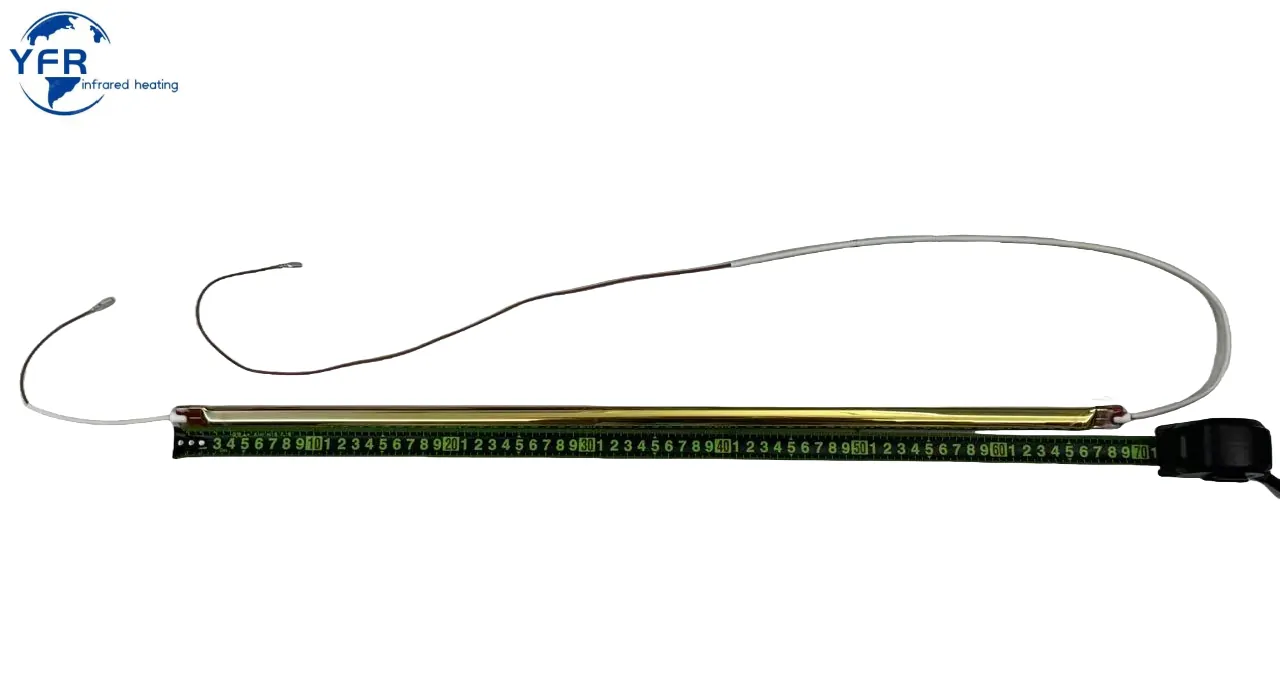
Record the original code, equipment model, lamp position and process function. A single machine may contain several similar-looking lamps with different circuits or heated lengths.
Specify rated voltage, wattage, phase or circuit arrangement and controller type. Include measured resistance only as supporting evidence and identify the test condition.
| Dimension | Reference | Why it matters |
|---|---|---|
| Total length | End to end | Machine fit |
| Heated length | Start and end of active element | Temperature profile |
| Cold ends | Both sides separately | Seal and holder protection |
| Tube section | Diameter or twin-tube width and height | Clip compatibility |
Show caps, leads, connectors, ceramic parts and orientation. For coated lamps, include coverage, working side and a clocking reference. Photographs should accompany, not replace, the drawing.
Use YFR custom replacement tubes and infrared lamp families as starting references.
Give the drawing a revision, approval date and authorised tolerances. Inspect the first article against it and retain resistance, dimension and process-test records for future orders.
No. They describe different parts of the lamp.
Yes. They may not be symmetrical.
A drawing with a clocking reference is more reliable.
The lamp and switching method must be electrically compatible.
Send YFR the original sample data and equipment references for a controlled lamp drawing.


