


Author: Site Editor Publish Time: 2025-08-09 Origin: Site


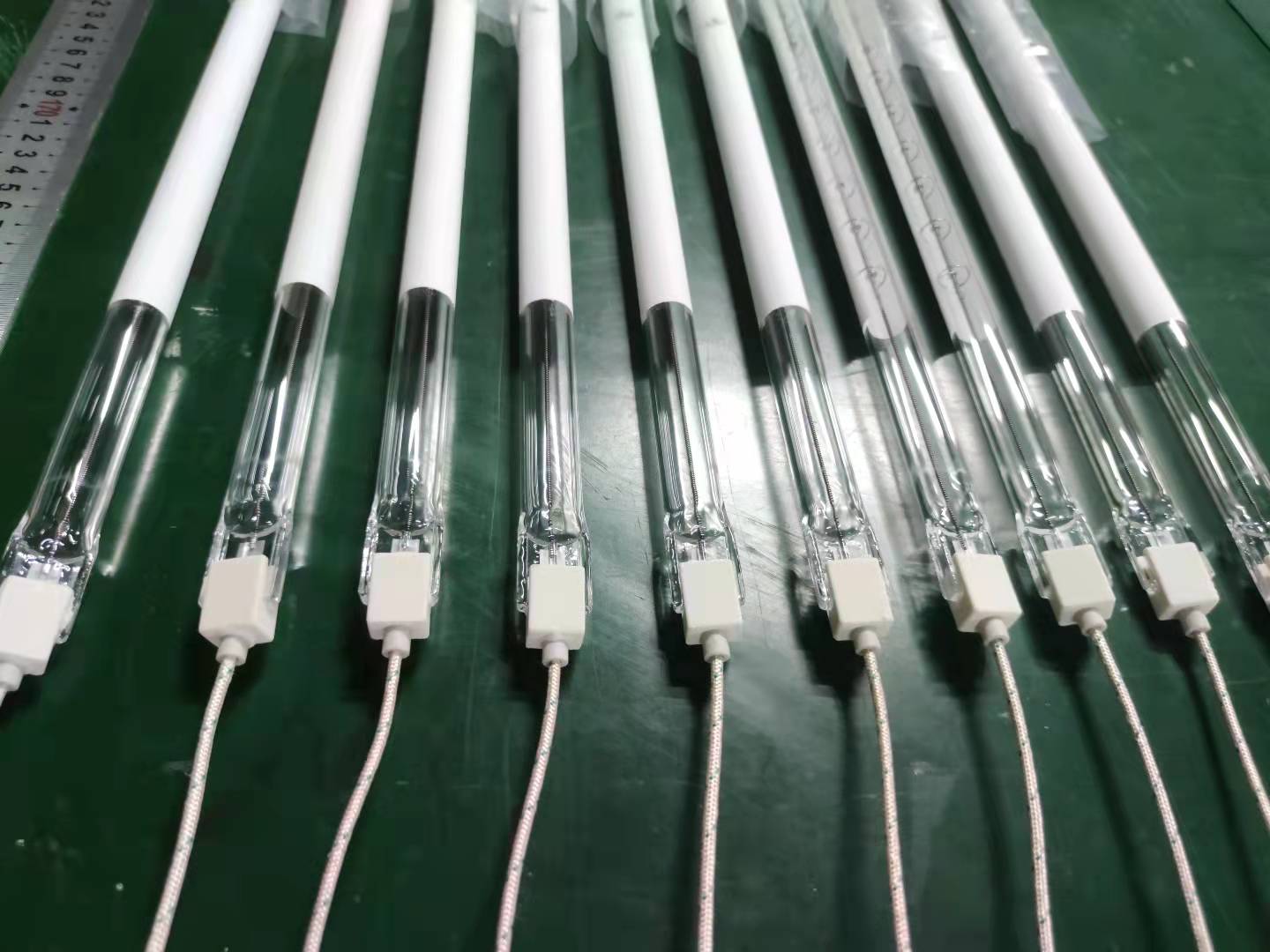
I always prioritize safety when working with any device, especially when handling infrared bulbs like the philips infracare hp3621. Using high-quality replacement infrared lamps, such as Quartz IR Emitters from Huai’an Infrared Heating Technology, helps me achieve reliable performance. I follow clear instructions to avoid damage and ensure proper installation. I never touch the bulb with bare hands to prevent contamination or premature failure.
Tip: Choose certified infrared bulbs for optimal efficiency and durability.
Always turn off and unplug the device before replacing the infrared lamp to avoid electrical shock and burns.
Use the right tools and wear protective gear like gloves and safety glasses to handle lamps safely and prevent damage.
Never touch the glass part of the lamp with bare hands; use gloves or a lint-free cloth to avoid reducing lamp life.
Prepare a clean, well-lit workspace to keep the lamp and components free from dust and ensure accurate installation.
Remove lamp compartment covers carefully, handle bulbs gently, and avoid twisting or forcing parts during removal and installation.
Secure the new lamp properly by checking its alignment and firm fit to ensure efficient operation and prevent damage.
Test the lamp after installation by powering on the device and checking for steady light and proper function.
Regularly clean and inspect lamps and equipment, and dispose of old bulbs safely following local regulations to protect yourself and the environment.
When I prepare to replace infrared lamps, I always gather the right tools and safety equipment before starting. This step helps me work efficiently and reduces the risk of accidents. I rely on certified products like Quartz IR Emitters from Huai’an Infrared Heating Technology for replacement infrared lamps. Using recommended lamps ensures reliable performance and safety in industrial environments.
I keep my workspace organized by collecting all necessary tools. Here is what I use:
I select a screwdriver that matches the screws on the lamp compartment. A Phillips or flat-head screwdriver usually works for most infrared lamp housings. I check the size and type before starting to avoid damaging the screws.
I always wear gloves when handling infrared lamps. Gloves protect my hands from sharp edges and prevent fingerprints on the lamp surface. Clean hands and gloves help maintain the integrity of the lamp and reduce contamination.
I use a lint-free cleaning cloth to wipe down the lamp and surrounding area. Dust and debris can affect lamp performance. I make sure the cloth is dry and clean to avoid leaving residue.
Tip: I never use paper towels or rough fabrics, as these can scratch the quartz surface of the lamp.
Safety is my top priority during lamp replacement. I choose gear that shields me from heat, glass fragments, and electrical hazards.
I put on safety glasses before I begin. Eye protection guards against accidental breakage and flying debris. Infrared lamps can shatter if mishandled, so I never skip this step.
I use protective gloves designed for electrical work. These gloves offer extra insulation and grip. They help me handle the lamp securely and reduce the risk of electric shock.
Tool/Safety Gear | Purpose |
|---|---|
Screwdrivers | Remove and secure lamp housing |
Gloves | Protect hands, prevent prints |
Cleaning Cloth | Clean lamp and area |
Eye Protection | Shield eyes from debris |
Protective Gloves | Insulate and improve grip |
I always double-check my tools and safety gear before starting the replacement process. Using the right equipment and recommended replacement infrared lamps helps me achieve a safe and successful installation.
Before I begin replacing an infrared lamp, I always follow a strict preparation routine. Careful preparation helps me avoid accidents and ensures a smooth installation process.
I start by making sure the device is completely powered down. I never skip this step because working with live electrical equipment can be dangerous. I unplug the device from the power source. I check that the power cord is fully disconnected before I move on.
⚠️ Safety Tip: Always turn off the printer or any other equipment before handling infrared lamps. This simple action protects me from electrical shock and accidental burns.
After unplugging the device, I allow it to cool down. Infrared lamps and their housings can retain heat for several minutes after use. I wait at least 15–20 minutes to ensure all components reach a safe temperature. I touch the exterior gently to confirm it feels cool. If I sense any warmth, I wait longer.
I prepare my workspace by cleaning the surface where I will work. Dust and debris can interfere with the installation and damage sensitive components. I use a lint-free cloth to wipe down the area. I make sure the surface is dry and free of any contaminants. A clean workspace helps me keep the new lamp in perfect condition.
Proper lighting is essential for a safe and efficient replacement. I set up my workspace in a well-lit area. If natural light is not available, I use a bright desk lamp or overhead light. Good lighting allows me to see small screws, connectors, and the lamp itself. I avoid working in dim conditions because poor visibility increases the risk of mistakes.
Pro Tip: I always organize my tools and replacement parts before starting. This habit saves time and helps me stay focused during the process.
Preparation Step | Why It Matters |
|---|---|
Unplug Device | Prevents electrical hazards |
Wait for Cooling | Avoids burns and heat damage |
Clean Surface | Protects lamp from contamination |
Good Lighting | Improves visibility and accuracy |
I follow these preparation steps every time I replace an infrared lamp. Careful planning and attention to detail help me achieve safe and reliable results.

I begin the replacement process by locating the end caps on the lamp compartment. These caps secure the infrared bulbs and protect the internal components. I use a screwdriver to unscrew the back cover and gently remove each end cap. I keep the screws in a safe place to avoid losing them. Removing the end caps gives me clear access to the lamp and its mounting hardware.
Next, I check for any protective guards inside the compartment. These guards shield the bulbs from accidental contact and debris. I carefully lift or unscrew the guards, making sure not to force any parts. If the guards are held by clips, I release them gently to prevent damage. Removing these guards allows me to reach the replacement infrared lamps without obstruction.
⚠️ Safety Tip: I always wear protective gloves and safety glasses during this step. Infrared bulbs can shatter if mishandled, so I take precautions to protect my hands and eyes.
With the compartment open, I locate the clips or brackets holding the old infrared bulb in place. I gently grab the infrared bulb and release the clips, making sure not to twist or bend the bulb. I pull the bulb straight out, following the instructions provided by the manufacturer. Twisting the bulb can cause damage to the socket or the lamp itself.
After unclipping the bulb, I disconnect the wires attached to the lamp terminals. I follow a systematic approach:
I confirm the lamp is unplugged and placed on a stable work surface.
I remove the lampshade or any covers to access the lamp base.
I unscrew and remove the bulb from its socket.
I locate the terminal screws securing the wires.
I loosen the screws and gently detach the wires from the terminals.
If the wires are tight or difficult to remove, I cut them about twelve inches from the base and strip about an inch of insulation from the ends. I twist the bare ends together and wrap them with electrical tape if needed. I always work in a dry, well-lit area and use insulated tools for safety.
I select a recommended replacement infrared lamp, such as a Quartz IR Emitter from Huai’an Infrared Heating Technology. These lamps offer high efficiency and durability for industrial applications. I align the new infrared bulb with the socket and insert it into the slot, making sure it fits securely. I avoid using excessive force and check that the bulb sits parallel to its mounting position.
Pro Tip: I choose shatter-resistant infrared bulbs with safety coatings to prevent glass contamination in case of breakage. Lamps with UV blocking features provide added protection and longevity.
During installation, I never touch the glass portion of the new bulb with bare hands. Oils and dirt from my skin can cause hot spots and reduce the lifespan of the bulb. I always use clean gloves or a lint-free cloth when handling the replacement infrared lamps. If I accidentally touch the glass, I clean it with a dry, lint-free cloth before completing the installation.
Common Mistake: Many people replace the bulb while the device is powered on or touch the bulb directly. I always ensure the device is off and the bulb is cool before handling.
I follow these steps to ensure a safe and effective replacement of infrared bulb. Using the right tools, recommended lamp types, and proper handling techniques helps me maintain optimal performance and safety.
After I insert the new bulb, I always take extra care to secure it properly. This step ensures the lamp works safely and efficiently. I never rush this part because a loose or misaligned bulb can cause problems or even damage the device.
I start by checking the alignment of the new bulb. I look closely to see if the bulb sits straight in its socket. The ends of the bulb should line up evenly with the contacts on both sides. If the bulb looks tilted or off-center, I gently adjust it until it sits perfectly. Proper alignment helps the lamp deliver even heat and prevents stress on the glass.
Tip: I always compare the position of the new bulb with the old one before closing the compartment. This habit helps me spot any mistakes early.
Here is a quick checklist I follow for alignment:
The bulb sits parallel to the mounting surface.
Both ends of the bulb touch the contacts evenly.
No part of the bulb touches the housing or guards.
Once I confirm the alignment, I make sure the bulb fits firmly in place. I press the clips or brackets gently but firmly against the bulb. I avoid using too much force, which could crack the glass. The bulb should not wiggle or move when I touch it lightly.
I also double-check the electrical connections. I make sure the wires attach securely to the terminals. Loose connections can cause flickering or prevent the lamp from working.
Note: I always use recommended replacement infrared lamps, such as those from Huai’an Infrared Heating Technology, to guarantee a perfect fit and reliable performance.
Here is a table that summarizes what I check before closing the compartment:
Step | What I Look For |
|---|---|
Alignment | Bulb sits straight and centered |
Firm Fit | Bulb does not move or wiggle |
Secure Connections | Wires attached tightly |
I never skip these checks. Taking a few extra minutes now saves me from problems later. A secure and well-aligned bulb ensures the lamp operates at peak efficiency and lasts longer.
After I secure the new infrared lamp, I focus on reassembling the device with care. This step is critical for safety and performance. I always handle each component gently and follow a systematic approach to avoid mistakes.
I start by replacing the protective guards inside the lamp compartment. I hold each guard by its edges and avoid touching the quartz glass. The guards shield the lamp from accidental contact and debris. I check that each guard fits snugly in its original position. Sometimes, the mounts are spring loaded. I spread them gently with my fingers to seat the guard properly. I never force the guard into place because that can break the quartz glass or ceramic end caps.
Next, I reattach the end caps. I align each cap with the mounting studs and tighten the screws by hand. I avoid over-tightening because that can damage the end caps. I make sure the mounting stud does not turn while I tighten the nuts. I always hold the element by the ceramic ends and avoid touching the quartz glass directly. This technique keeps the lamp clean and prevents stress on the glass.
⚠️ Note: I use proper tools like wire strippers and crimpers to ensure secure connections. I slide fiberglass insulation sleeving over connectors before sealing them with high-temperature tape. This step prevents overheating and fire hazards.
Here is a quick checklist I follow during reassembly:
Handle all parts gently to avoid breakage.
Use protective sleeving and robust connectors for safety.
Retain original plastic parts to help secure new components.
Avoid over-tightening screws and nuts.
Step | Common Issue to Avoid |
|---|---|
Replace Guards | Forcing guards, breaking glass |
Replace End Caps | Over-tightening, turning mounting stud |
Secure Connectors | Using inadequate connectors |
Once I finish reattaching all components, I plug in the device. I check that the power cord is secure and the outlet is safe. I never rush this step. I inspect the area for any loose wires or exposed connectors before restoring power.
I turn on the device and observe the new infrared lamp. I look for steady illumination and listen for any unusual sounds. If the lamp flickers or fails to light, I power off the device and check the connections again. I use a multimeter to verify proper wiring if needed. I always test the lamp in a well-lit area to spot any issues quickly.
Pro Tip: I keep high-temperature tape and extra connectors nearby in case I need to make adjustments during testing.
A careful reassembly and thorough test ensure the infrared lamp operates safely and efficiently. I follow these steps every time to maintain the reliability of my equipment.
When I replace a bulb and it does not light up, I follow a systematic approach to diagnose the problem. Here is my step-by-step process:
I check the power supply first. I inspect the circuit breaker or fuse that controls the lamp’s outlet. If needed, I reset or replace it.
I make sure the bulb sits firmly in the socket. I look for clean electrical contacts without any corrosion.
I consider the age of the bulb. If it flickers or looks worn, I replace it with a new one.
I clean the lamp housing to remove dust or debris. Overheating from dirt can cause the lamp to shut off.
I inspect the socket for faults. If I suspect a faulty socket, I replace it or consult a professional electrician.
⚡ Tip: I always use certified infrared bulbs to avoid compatibility issues and ensure reliable performance.
Flickering in newly replaced lamps can signal several issues. I watch for these common causes:
Defective or low-quality bulbs often flicker due to poor internal components.
Faulty fixtures may lose tension or have initial defects.
Worn-out switches can create loose electrical connections.
Loose or faulty wiring disrupts the electrical flow.
Overloaded circuits, especially with multiple appliances running, can cause flickering.
Incompatible power supplies or dimmer switches may not work well with certain lamp types.
LED drivers that overheat or degrade can cause voltage fluctuations.
Repeated power surges wear down drivers and reduce lamp lifespan.
If I notice flickering, I check each of these areas. I replace any defective parts and make sure all connections are secure.
I keep my infrared bulbs working efficiently by cleaning them often. I remove dust and debris from heating elements. I also clean vents to maintain airflow and heat distribution. I make cleaning a habit, not just a seasonal task.
I inspect heating elements, wiring, and housing for damage or wear. I check electrical connections for security. I look for corrosion or physical damage. I monitor temperature settings to avoid overheating. I use surge protectors to prevent electrical failures. I keep a log of inspections and maintenance checks. This routine helps me catch issues early and extend lamp lifespan.
Maintenance Task | Frequency | Purpose |
|---|---|---|
Clean heating elements | Habitual | Maintain efficiency |
Inspect wiring/housing | Monthly/Seasonal | Identify damage or wear |
Check connections | Monthly | Prevent electrical failures |
Log inspections | Ongoing | Track preventive maintenance |
️ Note: I always follow the manufacturer’s guidelines for best results.
When I dispose of old bulbs, I handle them with care. I avoid breaking the glass. I place used bulbs in a sturdy container to prevent injury.
I check local regulations before disposing of infrared bulbs. Many areas require special handling for electrical waste. I use designated recycling centers or hazardous waste facilities. I never throw bulbs in regular trash.
♻️ Pro Tip: Proper disposal protects the environment and keeps my workspace safe.
I always follow a careful process when replacing infrared lamps. Preparation and correct installation keep my workspace safe and my equipment running efficiently. Certified Quartz IR Emitters from Huai’an Infrared Heating Technology deliver precise heat, energy savings, and reliable performance.
Feature | Benefit |
|---|---|
Energy Efficiency | Lower costs, reduced emissions |
Product Diversity | Tailored solutions |
Certifications | Safety and compliance |
Regular cleaning and proper disposal protect my investment. If the lamp fails to heat or the indicator light stays off, I contact a professional for help.
I check my lamp every six months. If I notice reduced heat output or visible wear, I replace it immediately. Regular inspection helps me maintain optimal performance and safety.
I always use recommended lamps, such as Quartz IR Emitters from Huai’an Infrared Heating Technology. Using certified products ensures compatibility, efficiency, and safety in my equipment.
I verify the power supply and check all connections. If the lamp still does not work, I inspect the socket for damage. I contact a professional if I cannot resolve the issue.
I never touch the glass portion with bare hands. Oils and dirt from my skin can shorten the lamp’s lifespan. I always use clean gloves or a lint-free cloth.
I turn off and unplug the device. I let the lamp cool completely. I use a dry, lint-free cloth to gently wipe the lamp. I avoid using water or harsh chemicals.
I watch for flickering, dim light, or uneven heating. If the lamp takes longer to warm up or shows physical damage, I replace it promptly.
I follow local regulations for electrical waste disposal. I use designated recycling centers or hazardous waste facilities. Proper disposal keeps my workspace and environment safe.
I trust Quartz IR Emitters for their energy efficiency, durability, and certified quality. These lamps deliver reliable heat and help me reduce operational costs in industrial applications.


