Author: Site Editor Publish Time: 2025-07-22 Origin: Site
Last updated: August 29, 2026
A short-wave infrared replacement lamp should be ordered from verified electrical, dimensional and installation data. A description such as “halogen lamp” or a machine model alone is rarely sufficient. The RFQ should make it possible to compare compatibility, documentation and testing—not just price.
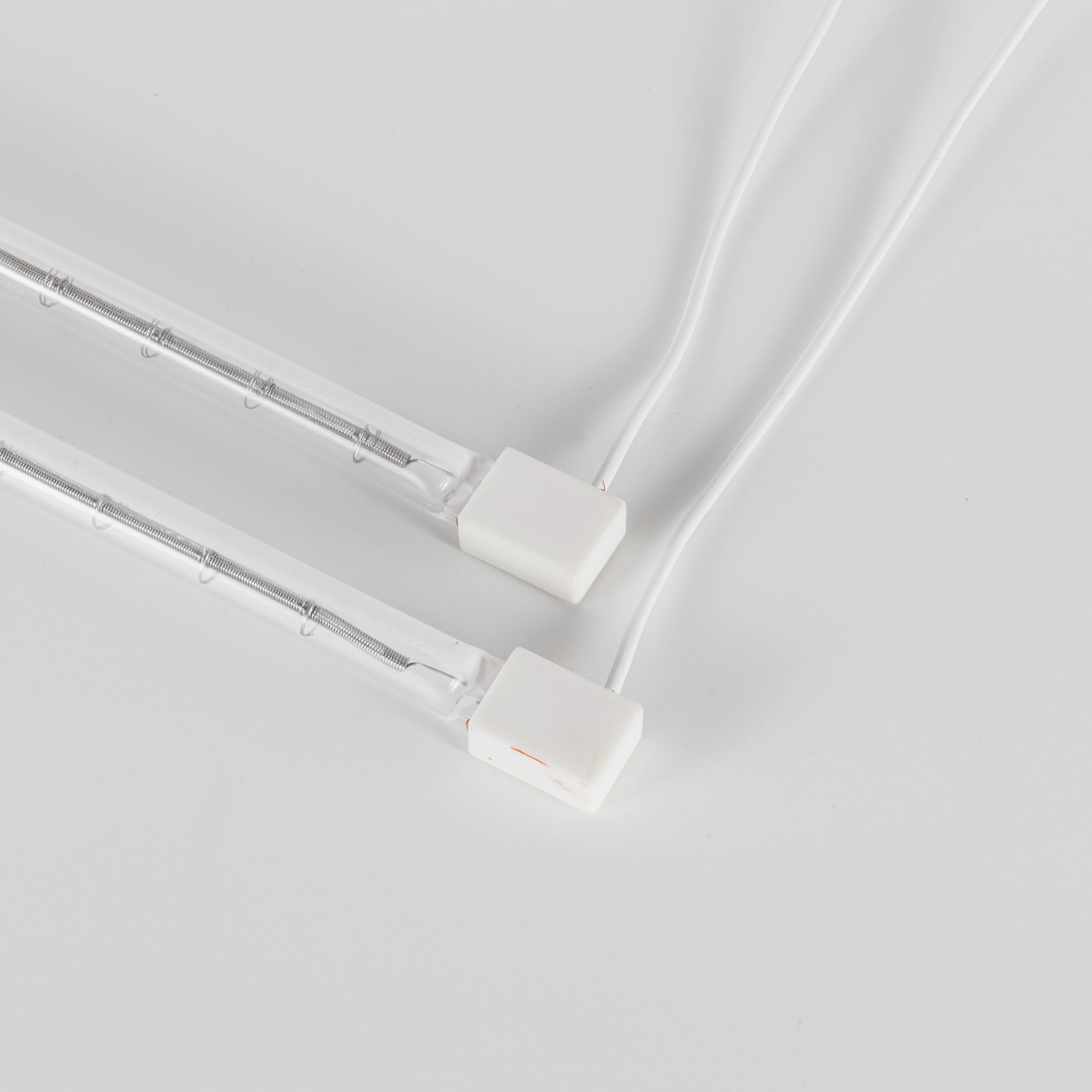
Record the manufacturer, complete part number, machine model and position in the heating bank. Photograph all markings before the failed lamp is removed or discarded.
Confirm voltage, wattage, circuit arrangement and controller type. When the label is damaged, use machine documentation and qualified electrical measurements rather than assuming from tube length.
| RFQ field | Required information | Why it matters |
|---|---|---|
| Tube | Diameter, total and heated length | Fit and heat distribution |
| Ends | Cold ends, caps, leads and connectors | Mounting and wiring |
| Reflector | Gold, ceramic or clear; coverage and clocking | Radiation direction |
| Quantity | Immediate need and annual usage | Production and spares plan |
Ask for a drawing, tolerances, test method, packaging, lead time and change-control process. Review YFR short-wave lamps and custom replacement tubes.
Inspect resistance, dimensions, seals, reflector orientation and terminals before installation. Then compare current, temperature profile and product quality with the approved original reference.
Not always. Machines may have different revisions and heating positions.
No. Voltage, dimensions, termination and optical details must also match.
Clear measurements and photos may be enough, but a sample helps when data are incomplete.
Base the quantity on installed population, failure history and replenishment lead time.
Send YFR the lamp code, drawing, photographs and operating data for a compatibility review.


