Author: Site Editor Publish Time: 2025-07-11 Origin: Site
Last updated: October 20, 2026
Portable or fixed infrared curing equipment can support automotive refinishing when the workshop controls heat, radiation, solvents, positioning and electrical loads. The heater must be used within the coating, equipment and site safety requirements.
Start with the exact heater model, its manual and the coating technical data sheet. Record the permitted operating sequence before choosing lamps, distance, power or exposure time.
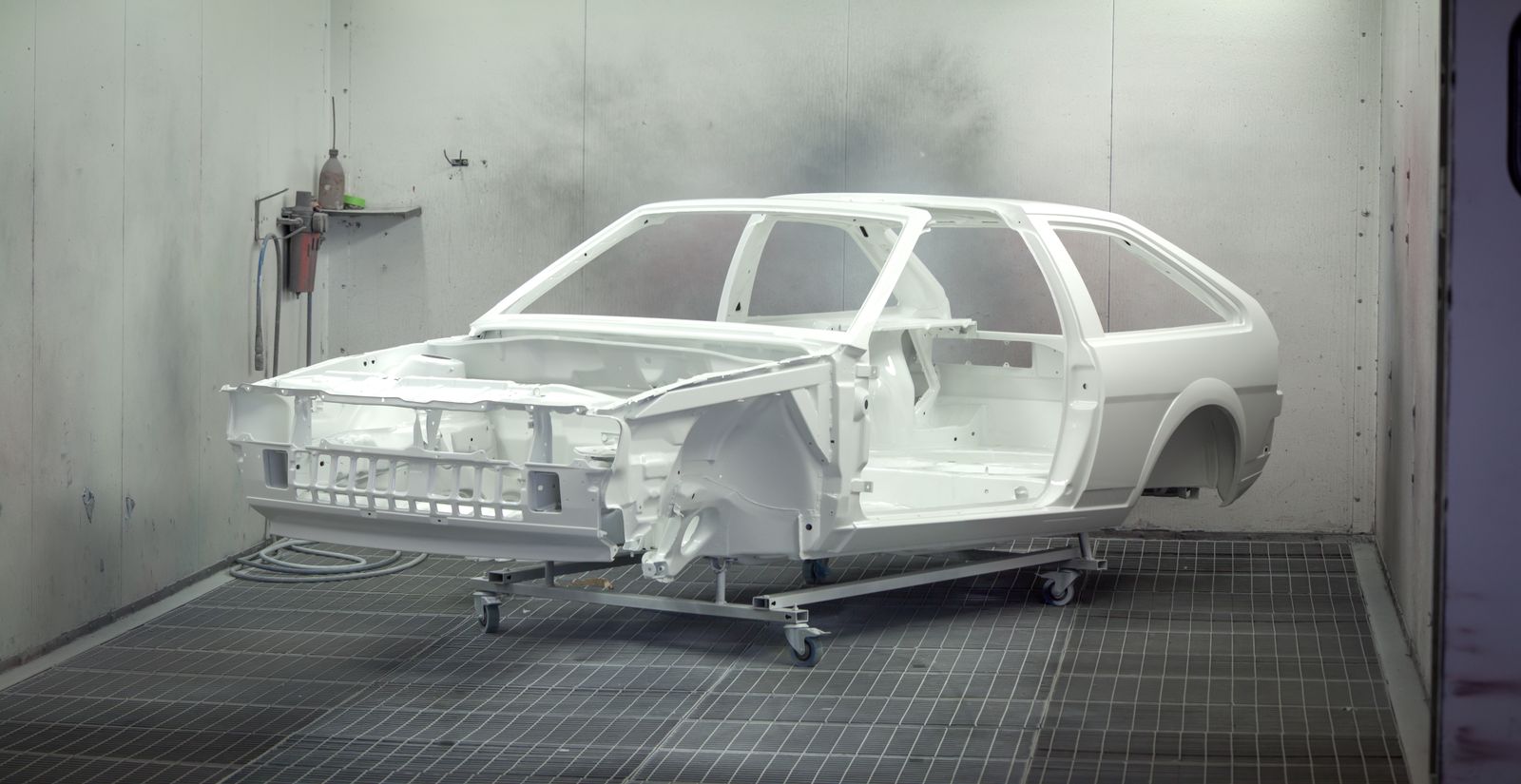
Automotive paint-booth context for reviewing space, access and heater positioning.
Identify combustible materials, spray operations, ventilation, traffic routes, floor condition and access to isolation. Equipment suitability for the actual zone needs its own check; site permission alone cannot establish that a heater is suitable.
Treat spraying, ventilation or flash-off, curing and access as distinct operating states. Follow the heater and booth instructions, the coating technical data sheet and safety data sheet. Confirm any required ventilation delay and interlocks for the installed system. Do not bypass a restriction to keep production moving.
Use stable supports, the clearance specified for the equipment and a repeatable angle. Protect the lamp from collision and keep cables away from hot surfaces, wheels and sharp edges. Record the working distance and the surface being heated so the arrangement can be repeated.
A short pre-use record makes the setup and any unresolved condition visible before heating.
Pre-use review for automotive infrared curing
Check | Confirm for the installed system | Record |
|---|---|---|
| Area and operating state | Permitted zone, ventilation state and any required sequence before curing. | Heater/booth instructions and unresolved restrictions. |
| Equipment condition | Stable support, cable condition, guards and required safety functions. | Inspection result and any item taken out of service. |
| Coating and vehicle | Coating procedure, panel temperature measurement and nearby heat-sensitive parts. | Coating reference, panel location and acceptance limits. |
| Isolation and maintenance | Accessible isolation and the specified cooling procedure. | Defects, responsible person and return-to-service decision. |
Restrict unnecessary viewing and access, use guards and follow assessed PPE requirements. Infrared heat exposure can affect the eyes and skin. Select protection for the actual equipment and task rather than assuming ordinary glasses are suitable.
Measure panel temperature and avoid exposing adjacent trims, sensors or plastic parts beyond their limits. Verify the coating procedure alongside the timer setting; the indicated time or lamp output alone does not establish the panel result.
Isolate and cool before cleaning or lamp replacement. Inspect quartz, reflectors, guards, wheels, cables, switches and timers. Remove damaged equipment from service until repaired. Use the specified replacement parts and the equipment manufacturer’s return-to-service procedure.
Coordinate the emitter with YFR industrial infrared heating lamps and heating modules and controls. Confirm the final configuration with product trials and documented acceptance limits.
Do not assume that it can. Follow the exact heater and booth operating sequence. Where the manual excludes spraying or requires ventilation before curing, keep that restriction in place; a general site assessment does not override it.
Panel temperature and the coating procedure should also be verified. Record how and where the temperature is measured for the selected coating and repair.
Confirm its temperature limit or shield and remove it as required. Include adjacent components in the setup review, not only the area that needs curing.
Replace damaged or electrically unsafe components under an isolated procedure. Match the specified lamp and connection details rather than selecting from appearance alone.
Send YFR your material, dimensions, target temperature, cycle time and current equipment details for an application-specific review. Include the heater model, installation photos and coating reference where available.
Technical references. HSE HSG261 discusses vehicle-repair hazards, equipment suitability and electrical isolation (pages 61–65 and 74). OSHA’s non-ionizing radiation overview identifies infrared heat exposure from sources including heat lamps. Apply the installed equipment instructions and applicable local requirements to the actual workshop.


