Author: Site Editor Publish Time: 2025-11-10 Origin: Site
Last updated: August 29, 2026
A high-power infrared tube can increase heat input within a compact zone, but higher wattage also increases electrical load, surface-heating risk and cooling demands. Sizing should begin with the process energy and usable installation area, followed by circuit, optical and safety checks.
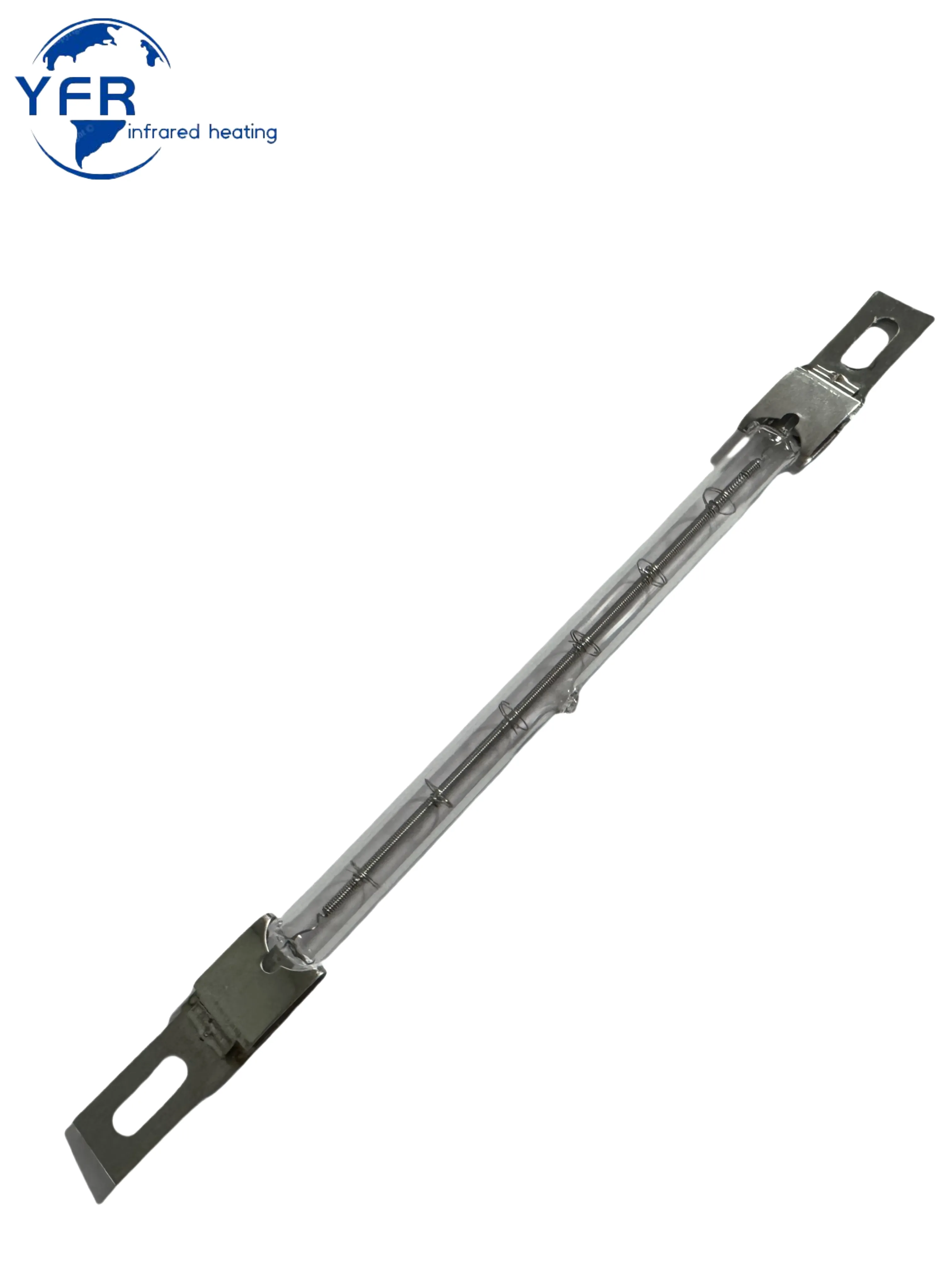
Record material throughput, initial and target temperature, moisture or reaction load, exposure time and accepted quality. Apply measured process data where possible and include warm-up, idle and line-stop conditions.
Short wave offers rapid response and high power density; fast medium wave changes the spectral balance while retaining useful response; carbon and medium-wave designs may suit different absorption and control needs. Selection requires trials.
| Design item | Required input | Check |
|---|---|---|
| Active area | Product width and zone length | Edge-to-centre profile |
| Electrical load | Voltage, circuits and installed wattage | Current and protection |
| Optics | Distance, spacing and reflector | Uniformity map |
| Mechanical | Tube section, cold ends and supports | Clearance and expansion |
Match switching devices, conductors and protection to the actual lamp load. Provide line-stop logic, temperature limits and airflow proving where required. Review YFR heating controls and modules.
Verify resistance, phase balance, current, reflector orientation and cooling before increasing output. Map product temperature at multiple recipes and test the response to sensor, fan and line-motion faults.
No. Absorption, dwell, airflow and product limits may become constraints.
Only when the lamp, switching device and process can tolerate that method.
It protects seals and locates the active zone relative to holders.
No. Increase power in controlled steps while monitoring the product and assembly.
Send YFR the thermal duty, voltage, dimensions and control architecture for an engineering review.


