Author: Site Editor Publish Time: 2025-09-08 Origin: Site
Last updated: August 28, 2026
Industrial infrared lamps and household infrared heaters may both produce radiant heat, but they are designed for different equipment, controls, duty cycles and safety systems. A lamp intended for an industrial machine should not be selected from a consumer comfort-heating guide, and a bare industrial emitter is not a complete household appliance.
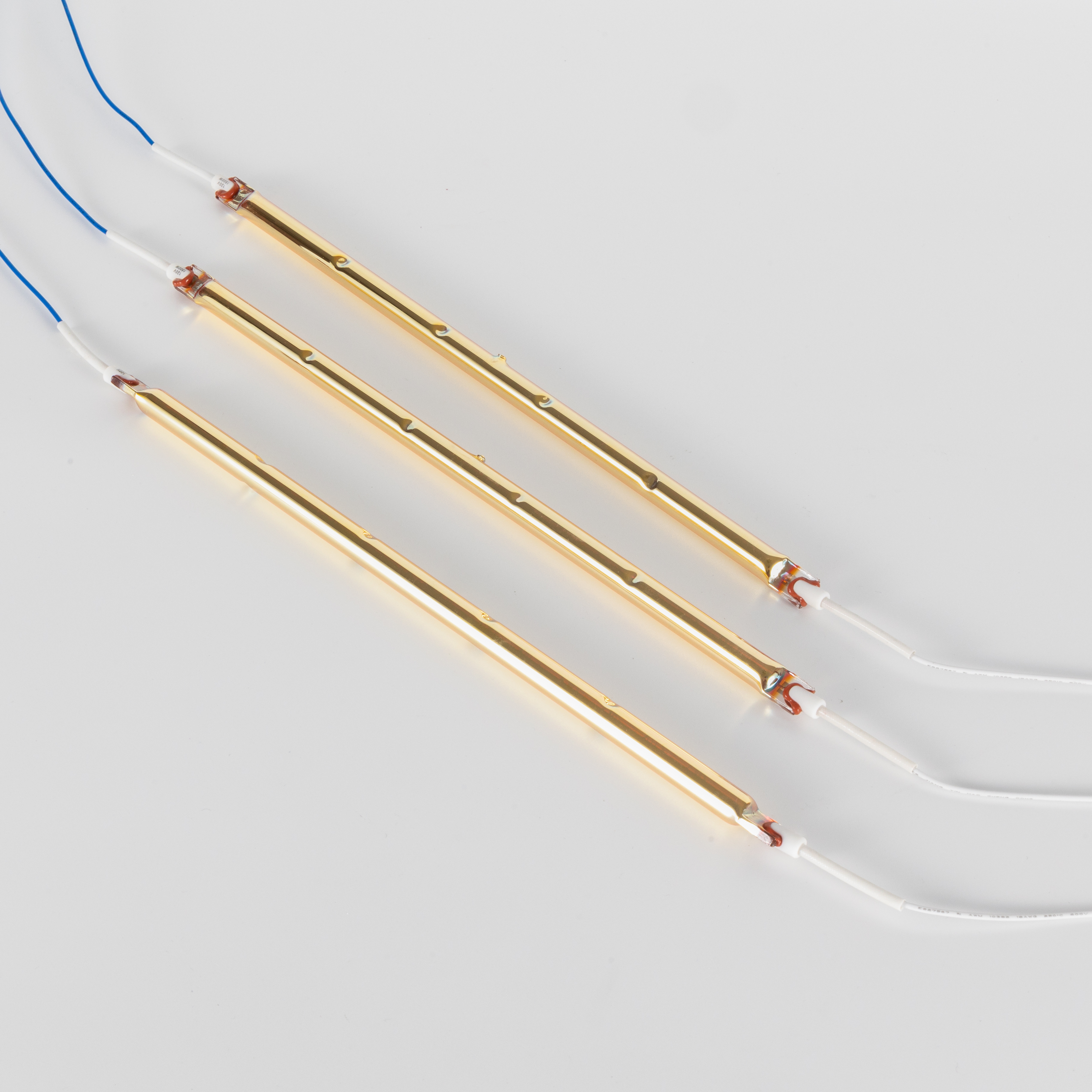
| Comparison | Industrial emitter | Household or comfort-heating appliance |
|---|---|---|
| Purpose | Drying, curing, forming, preheating or machine replacement | Personal or space comfort heating |
| Product scope | May be a component requiring integration | Normally a complete guarded appliance |
| Control | PLC, power controller, sensors and machine interlocks | Integrated thermostat, switch, timer or remote control |
| Duty and environment | Defined production cycle, contamination, cooling and mounting | Rated indoor or outdoor consumer environment |
| Safety responsibility | Shared across emitter, machine design and installation | Defined for the finished appliance and its instructions |
A quartz emitter may require a reflector, guard, holder, cooling, power control, over-temperature protection and an enclosure. Its safe performance depends on correct integration. Connecting a bare industrial lamp directly for household heating can expose users to hot surfaces, intense radiation, electrical hazards and broken quartz.
Use a complete heater designed and rated for the intended environment when the goal is personal or space heating.
For manufacturing equipment, define the material, target temperature, available heating time, working distance, heated area and control method. Then choose an emitter class, power density and geometry that can create the required product-temperature profile.
YFR supplies industrial infrared lamps, including short-wave, medium-wave, fast medium-wave and carbon options.
No wavelength is best for every application. Short-wave emitters can provide high intensity and rapid response, while longer-wave options may couple better with some coatings, water and polymers. The correct choice is the one that meets the process result without exceeding surface-temperature, electrical or safety limits.
For comfort heating, factors such as room or outdoor conditions, mounting clearances, glare, enclosure rating and user controls are more important than an industrial process comparison.
A lamp specification does not automatically give the finished heater the same environmental or safety rating. IP rating, guarding, electrical protection and compliance normally apply to the tested assembly described by the manufacturer.
Likewise, a household heater rating does not make its internal lamp a direct replacement for an industrial oven. Confirm the complete component specification and approved application.
Machine manufacturer, model and heating-zone position
Lamp voltage, wattage and approved orientation
Overall length, heated length and tube diameter
Ends, leads, terminals and connectors
Reflector type, coated arc and direction
Control method, cooling and duty cycle
Material, line speed and target process result
A bare industrial lamp should not be treated as a complete home heater. Use an appropriately designed, guarded and rated appliance.
They may share some technologies, but reflector, glare, mounting, enclosure and environmental requirements can differ.
No. Useful efficiency depends on how much emitted radiation the target absorbs and how well the system controls losses.
No. Voltage, dimensions, heated length, connections, reflector and orientation must also match.
YFR focuses on industrial emitters and heating integration. Send your machine and process data for an industrial lamp review. For finished comfort heaters, follow the appliance manufacturer's specifications and local requirements.


