


Author: Site Editor Publish Time: 2025-07-27 Origin: Site


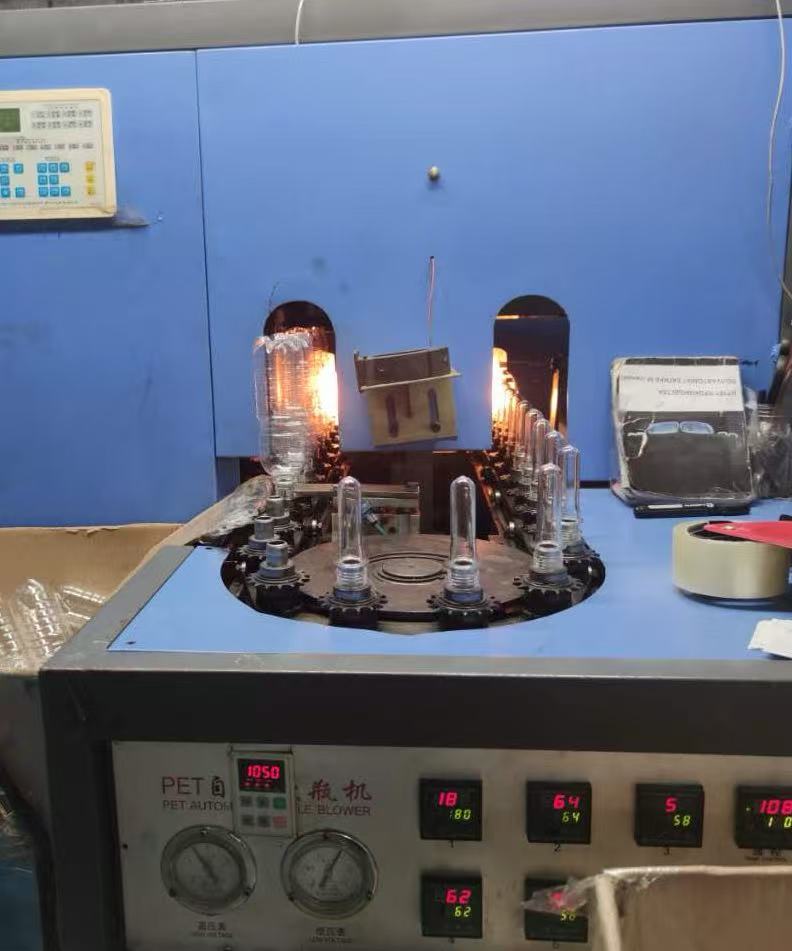
When I manufacture an infrared heating lamp for pet blow molding machines, I start with premium quartz to guarantee heating performance. I select the right filament and use advanced technology to ensure every lamp delivers precise heating for pet preform processing. My focus on quality and strict certifications means each infrared heating lamp meets industry standards. I trust Huai’an Infrared Heating Technology for reliable lamp production. Consistent heating, top performance, and durable technology set these infrared lamps apart for pet blow molding machines.
High quality infrared lamps use pure quartz tubes and strong filaments to deliver fast, even heating for PET preforms.
Infrared lamps heat PET preforms uniformly, reducing defects and improving bottle strength and clarity.
Precise wavelength control matches PET absorption, boosting energy efficiency and speeding up heating.
Advanced control systems like PLCs help maintain stable temperatures and improve production consistency.
Reflectors and coatings focus heat effectively, increasing lamp efficiency and product quality.
Regular maintenance, including cleaning reflectors and replacing lamps every 3,000 to 4,000 hours, keeps machines running smoothly.
Choosing lamps with proper certifications and supplier support ensures reliable performance and long-term durability.
Using energy-efficient infrared lamps lowers costs, reduces machine wear, and supports high-speed, high-quality PET bottle production.
When I work with PET blow molding machines, I rely on the infrared heating lamp to deliver precise and uniform heating during the preform heating process. The lamp sits at the heart of the machine, ensuring every PET preform receives the right amount of heat before entering the injection stretch blow molding stage. I choose quartz IR emitters because they provide rapid, controlled heating that matches the absorption characteristics of PET. The tungsten filament inside the quartz tube reaches high temperatures, emitting strong infrared radiation that penetrates the preform evenly. This uniform heating is essential for the preform heating process, as it raises the temperature above the glass transition point, making the PET material ready for molding.
To illustrate the advantages of infrared lamps over alternative heating methods, I often refer to the following comparison:
Aspect | Infrared Lamps (Near-Infrared, NIR) | Alternative Heating Methods |
|---|---|---|
Wavelength and Penetration | NIR emits shorter wavelengths (400-1600 nm) that penetrate deeper into PET preforms, heating inner layers more uniformly. | Mid-IR heats the surface more, causing higher temperature gradients. Convection heats unevenly. |
Temperature Uniformity | NIR reduces temperature gradients between inner and outer layers, improving uniformity. | Mid-IR and convection methods show less uniform heat distribution. |
Heating Speed | NIR achieves near-instantaneous heating, reducing heating time by up to 50%. | Mid-IR and convection require longer exposure times. |
Energy Efficiency | NIR systems save up to 40% energy by focusing energy directly into the material. | Mid-IR and convection lose more energy as heat. |
Practical Considerations | Ceramic reflectors with NIR lamps improve uniformity and reduce maintenance. | Alternative methods may lack this precision. |
I see that the infrared heating lamp, especially with ceramic reflectors, ensures uniform heating and high efficiency. This uniformity in the preform heating process leads to better control over the molding process and reduces the risk of defects.
From my experience, the quality of the infrared heating lamp directly affects the product quality of PET bottles. Uniform heating of the preform is crucial. If the lamp fails to provide consistent heat, I notice defects such as uneven wall thickness, haziness, or weak spots in the final bottle. The infrared lamp’s ability to deliver rapid, homogeneous heating improves the clarity, strength, and surface finish of each PET bottle.
I have found that advanced infrared heating systems, especially those using near-infrared lamps, allow for precise temperature regulation. This precision supports the production of bottles with consistent product quality, even when using recycled PET or producing specialty bottles. The preform heating process becomes more reliable, and the overall production quality increases. I also benefit from reduced energy consumption and more compact machine designs, which further enhance production efficiency.
Uniform heating from the infrared heating lamp ensures every preform reaches the ideal temperature for injection stretch blow molding.
Consistent heat distribution improves product quality by minimizing defects and ensuring uniformity in every bottle.
Advanced temperature control integrated with the infrared lamp enhances production efficiency and supports high-volume production without sacrificing quality.
By focusing on the right infrared heating lamp and maintaining strict control over the preform heating process, I consistently achieve superior product quality in PET blow molding machines.
When I manufacture an infrared heating lamp for PET blow molding, I follow a precise process that ensures every lamp delivers reliable performance and long service life. Each step, from material selection to final quality control, plays a critical role in the overall quality and efficiency of the lamp.
I always start with the highest purity quartz glass tubes. These tubes, made from about 99.99% SiO2, provide excellent infrared transmittance and chemical resistance. This purity allows the infrared heating lamp to transfer heat efficiently to the PET preform, minimizing energy loss and maximizing heating performance. High-purity quartz withstands temperatures above 1000°C, which extends the lamp’s lifespan and ensures stable operation during continuous production.
For the filament, I select materials based on the specific heating requirements of the PET blow molding process. Tungsten filaments heat up quickly, retain heat well, and resist breakage, which reduces maintenance and downtime. Carbon fiber filaments offer even and gentle heating, quick response, and durability. Sometimes, I use mica sheets for their stability at high temperatures and transparency, which supports effective heat transfer.
Material | Usage | Key Properties and Benefits |
|---|---|---|
Carbon Fiber | Filament | Heats evenly and gently, reduces hot spots, heats and cools quickly for easy temperature adjustment, durable and resistant to wear. |
Tungsten | Filament | Heats up fast, retains heat long, durable, strong filament that resists breakage, reduces maintenance and downtime. |
Mica | Filament (sheets) | Stable under high temperatures, strong mineral-based sheets, do not deform or lose effectiveness, transparent for effective heat transfer. |
Quartz Glass | Tube | Strong and protects filament, allows infrared rays to pass through efficiently, provides focused heating on PET preforms. |
I have learned that the combination of high-purity quartz and the right filament material directly impacts the efficiency, durability, and heating precision of the infrared heating lamp in PET molding production.
After selecting the quartz tube and filament, I fill the lamp with an inert gas, such as argon or krypton. This step prevents oxidation of the filament during operation and helps maintain consistent heating output. The inert gas environment inside the lamp also extends the filament’s life, which is essential for high-volume PET preform production.
I assemble the infrared heating lamp in a clean, controlled environment to avoid contamination. I never touch the quartz tube with bare hands, as oils or residues can reduce efficiency and cause hot spots. I use specialized tools and protective gear to handle all components.
During assembly, I carefully position the filament inside the quartz tube to ensure uniform heat distribution. I then seal the ends of the tube to create an airtight environment, which is crucial for maintaining the inert gas and protecting the filament. I monitor the pinch sections of the lamp to keep them below critical temperatures, preventing cracking or leakage during PET molding operations.
To further enhance durability and performance, I often use half-round reflectors and gold-plated coatings. These features improve heat focus and uniformity, which is vital for consistent preform heating in PET blow molding machines.
Tip: I always verify lamp temperature with calibrated infrared thermometers before each production run. This practice ensures the lamp delivers the precise heat required for PET preform processing.
Quality control stands at the core of my manufacturing process. I enforce strict inspection protocols at every stage, from material sourcing to final assembly. I inspect each infrared heating lamp for dust, residue, or defects that could affect heat output or durability. I measure surface temperature at multiple points to ensure uniform heating within ±2°C, which is critical for PET preform molding.
I document all calibration results and process changes for traceability. I also schedule regular preventive maintenance and keep a clean, organized workspace. I train operators to recognize and prevent defects, maintaining a training log for accountability.
Huai’an Infrared Heating Technology supports my commitment to quality by providing lamps that comply with CE and RoHS standards. Their products come with a two-year warranty for heaters and a 5000-8000 hour guarantee for heating lamps. These lamps meet testing standards comparable to leading brands like HERAEUS, DR. FISCHER, GE, and PHILIPS. The company also offers OEM and ODM services, ensuring timely delivery and consistent quality for every PET blow molding project.
I rely on high-purity quartz and advanced filament materials for optimal heating performance.
I maintain a clean assembly environment and follow best practices for sealing and gas filling.
I enforce rigorous quality control, supported by industry certifications and warranties, to deliver reliable infrared heating lamps for PET preform production.
By following these steps, I ensure that every infrared heating lamp I produce meets the highest standards for PET blow molding machines, supporting efficient production, consistent preform heating, and long-term operational reliability.
When I design an infrared heating lamp for PET blow molding, I focus on wavelength precision. The optimal heating of PET preforms happens in the infrared spectrum, specifically between 6 and 14 micrometers. PET absorbs energy most efficiently in this range, so I select lamp components that deliver radiation matching these properties. This precision allows the infrared heating lamp to heat the preform quickly and uniformly. I see that when the wavelength matches the PET absorption, the lamp achieves faster heating with less energy loss. Short-wave infrared, especially in the 0.8-1.4 μm range, penetrates deeply and heats rapidly, which is ideal for PET’s higher heat deflection temperatures. By maintaining precise wavelength control, I reduce overheating and defects, which improves both energy efficiency and product quality.
Note: Quartz infrared heating lamps with precise wavelength control can convert up to 95% of electrical energy into radiant heat, minimizing waste and shortening heating times by up to 30% compared to traditional methods.
Durability stands as a key factor in the quality of any infrared heating lamp. I choose high-purity quartz glass and robust tungsten filaments to ensure the lamp withstands continuous operation at high temperatures. On average, a high quality infrared heating lamp in PET blow molding machines lasts about 3,000 to 4,000 hours. Over time, factors like tungsten evaporation and reflector contamination can reduce heating efficiency and output. To maintain consistent quality, I recommend replacing all lamps as a group after this period and cleaning or replacing reflectors as needed.
I also pay close attention to efficiency. Fast medium wave infrared heating lamps reach full power in just 1 to 2 seconds. This rapid response allows me to adjust heating instantly, which is essential for high-speed production lines. I use PLC or SCR regulators to control the lamp output precisely, ensuring the heating process remains stable and efficient. The table below summarizes key technical features:
Aspect | Details |
|---|---|
Power Ratings | Over 3000W for large heating areas or high-speed lines |
Response Times | 1–3 seconds to reach full power or cool down |
Lamp Materials | Quartz glass and tungsten filaments for durability and effective heating |
Reflective Layer | Maximizes IR energy delivered to PET preforms |
Reflectors and coatings play a crucial role in the performance of an infrared heating lamp. I often use gold or ceramic reflectors, which are coated directly onto the quartz tube. Gold reflectors can reflect about 90% of infrared radiation and operate up to 600°C with proper cooling. Ceramic reflectors withstand even higher temperatures, over 800°C, and reflect about 70% of the energy. These reflectors focus the infrared energy toward the PET preform, increasing the effective heating and ensuring uniform temperature distribution, especially at the edges.
I have measured that gold reflectors can raise the lamp surface temperature by over 100°C compared to lamps without coatings. This improvement leads to faster heating, better energy efficiency, and more consistent product quality. Reflectors also reduce heat loss to the rear and improve the reflective angle, which helps maintain even heating across the entire preform.
Tip: Regularly cleaning the reflectors and checking for contamination ensures the infrared heating lamp maintains peak efficiency and quality throughout its operational life.

When I operate PET blow molding machines, I rely on advanced control systems to get the most out of every infrared heating lamp. I use PLC microcontrollers to manage the temperature and output of each lamp. These controllers give me high stability and accuracy. I can adjust the heating distance and lamp power through a user-friendly interface. This level of control lets me fine-tune the infrared heating for each preform, which improves heat utilization and keeps the temperature stable. I see that the PLC system regulates multiple infrared lamps at once, ensuring each lamp delivers consistent heating. This prevents defects like uneven heating or thin spots at the bottle bottom. With this technology, I achieve better performance and higher product quality in every production run.
I always look for ways to improve efficiency and reduce costs in my production line. Advanced infrared heating lamp systems help me do both. These lamps use targeted infrared energy to heat only the necessary areas of each preform. This approach reduces heat loss and shortens heating time. I have seen companies switch to advanced infrared lamps and report up to 20% lower energy costs. For example, a beverage plant that upgraded to a modern PET blow molding machine with energy-efficient technology saw a significant drop in monthly energy bills. The infrared heating lamp heats the polymer chains directly, so I avoid the wasted energy of traditional convection or conduction methods. In my experience, using a heat recovery system with the infrared heating lamp can cut energy use by over 18%. The table below shows how improved energy conversion leads to real savings:
Phase | Description | Outcome |
|---|---|---|
1 | Measured oven temperature for heat recovery | Identified heat exchanger potential |
2 | Modeled heat transfer | Predicted 15% energy reduction |
3 | Tested with scrap preforms | Defined safe heating parameters |
4 | Installed prototype | Achieved 18% energy savings |
5 | Operated for 5 years | Saved 7,620 Euros per year per machine |
This efficiency means I can run high-speed production lines with lower costs and less waste.
I know that the right infrared heating lamp not only boosts production but also protects my equipment. Advanced infrared lamps and nir heating technology deliver precise, even heating. This reduces thermal stress on both the preforms and the machine parts. When I use modular heating systems, I can replace or adjust individual lamps without shutting down the whole line. This flexibility keeps my production running smoothly and extends the life of my machines. I have noticed that stable, controlled heating from advanced infrared lamps leads to fewer breakdowns and less maintenance. My machines last longer, and I spend less on repairs. By investing in the best infrared heating lamp technology, I support both high-speed production and long-term reliability.
Tip: Regularly monitor lamp performance and adjust PLC settings to maintain peak efficiency and extend equipment life.
When I select an infrared lamp for my PET blow molding machines, I always focus on the technical details that impact quality and performance. I look for lamps that use near-infrared technology, emitting wavelengths between 2.7 and 3.2 micrometers. This range matches the absorption properties of PET preforms and ensures efficient heating. I check the power and size of each lamp, making sure they fit the thickness and weight of my preforms. I also prefer lamps with adjustable sizes and reflective plates to guarantee even heating.
I always make sure the lamp is compatible with my machine brand. Customization options for length, power density, voltage, and terminals help me achieve the best fit for my production line. I choose lamps made from high-purity fused quartz tubing and tungsten filaments. These materials provide durability and maintain quality over thousands of hours. I look for high reflectivity coatings, like ceramic semi-white coatings, which reflect over 95% of the infrared energy. This feature boosts efficiency and reduces operational costs.
Tip: I always consult with my supplier, request datasheets, and test samples before making a large purchase. This step helps me confirm the lamp’s heating performance and quality.
I have seen many mistakes when selecting infrared heating lamps for PET preform production. One common pitfall is ignoring the importance of wavelength precision. If the lamp does not match the PET absorption spectrum, the preform will not heat evenly, and product quality will suffer. Another mistake is overlooking the need for regular maintenance. Even the best lamp loses efficiency if I do not clean or replace reflectors and lamps every 3,000 to 4,000 hours.
Some operators forget to check for OEM compatibility. Using a lamp that does not fit the machine can cause uneven heating or even damage the equipment. I also avoid lamps without proper certifications. Without CE or RoHS certification, I cannot trust the quality or safety of the lamp. I always make sure the lamp provides stable emission spectra and uniform heating. Inconsistent heating leads to defects in the PET preform and finished product.
When I evaluate suppliers, I focus on their ability to deliver consistent quality and advanced technology. I check if the supplier offers a full range of infrared heating solutions, including lamps, reflectors, and control systems. I look for suppliers who optimize lamp power, quantity, and arrangement for efficient PET preform heating. Reflector design is critical, as it focuses the infrared energy where I need it most.
I value suppliers who provide zoning and segmentation control. This feature lets me adjust the power of different lamp groups, achieving ideal temperature gradients for my preforms. I also check if the supplier supports integration with temperature feedback and closed-loop control systems. These systems help me maintain consistent heating, even when environmental conditions change.
Huai’an Infrared Heating Technology stands out as a reliable partner. Their product range covers quartz IR emitters, short wave and medium wave lamps, carbon heaters, and specialized modules for PET blow molding. They offer technical support, customization, and certified quality. I trust their lamps to deliver the heating performance, efficiency, and durability my PET production demands.
When I operate PET blow molding machines, I always focus on maximizing production efficiency. High quality infrared lamps play a central role in this process. The lamp heats each preform quickly and evenly, which allows me to maintain a steady production pace. I adjust the lamp arrangement and power output to match the specific needs of my PET preforms. This flexibility helps me avoid overheating or underheating, both of which can slow down production or cause defects.
I rely on uniform heating from the infrared lamp to reduce the time each preform spends in the heating oven. This shortens the overall production cycle and increases the number of bottles I can produce per hour. The efficiency of the lamp ensures that energy is used effectively, which lowers my operating costs. I also monitor the ambient temperature and adjust the lamp settings to maintain consistent heating, even when environmental conditions change.
Tip: I always start with a higher power output after machine downtime, then reduce it to normal levels to maintain stable heating and avoid defects.
Consistent product quality is essential in PET blow molding. I have seen that advanced infrared lamps, especially those with precise temperature control, make a significant difference. The lamp provides uniform heating across every preform, which prevents issues like uneven wall thickness or weak spots in the final product. I use machines with adjustable infrared lamps and self-rotating preform holders to ensure even exposure to heat.
With this technology, I achieve simultaneous crystallization and drying during the molding process. This reduces defects and improves the clarity of my PET bottles. I notice that the quality of each batch remains high, even when I increase production speed. The uniform heating from the lamp ensures that every preform reaches the ideal temperature for molding, which leads to stronger and better-finished bottles.
Uniform heating minimizes defects such as swollen bottle mouths and hard necks.
Precise lamp control supports consistent product quality across all production batches.
Advanced infrared technology reduces energy consumption by up to 50% while maintaining high product quality.
I understand that the long-term performance of my PET blow molding machines depends on the durability of the infrared lamp. I choose lamps made from high quality quartz and robust filaments to ensure they withstand continuous heating cycles. Regular maintenance, such as cleaning reflectors and replacing lamps after 3,000 to 4,000 hours, keeps my machines running smoothly.
I also pay attention to lamp arrangement and zoning. By adjusting the number of lamps in each section, I can extend the life of both the lamp and the machine. Proper lamp maintenance reduces the risk of breakdowns and keeps production on schedule. I document all maintenance activities and train my team to recognize early signs of lamp wear.
Note: Consistent maintenance and high quality infrared lamps help me achieve reliable machine performance, reduce downtime, and maintain top product quality in every production run.
I always prioritize quality when selecting an infrared heating lamp for my PET blow molding machines. Manufacturing, design, and technology choices shape both performance and product quality. I follow these steps to ensure the best results:
Actionable Step | Supporting Detail |
|---|---|
Select lamps with strong penetration | Reliable, even PET preform heating |
Use adjustable reflectors | Fit different preform structures |
Choose automatic temperature control | Maintain constant oven heating |
Integrate PLC voltage adjustment | Precise lamp heating control |
Inspect lamp tubes regularly | Consistent heating quality |
I trust Huai’an Infrared Heating Technology to deliver reliable heating solutions for every PET production need.
I choose infrared lamps for PET blow molding machines because they deliver uniform heating. This technology ensures the preform heating process is fast and energy-efficient. I see improved product quality and higher production efficiency with advanced infrared lamps.
I rely on the infrared heating lamp to provide consistent, controlled heat. This uniformity in the preform heating process reduces defects and improves the clarity and strength of PET bottles. I notice better production quality and fewer rejects.
I select lamps with precise wavelength control because PET absorbs heat best at specific infrared wavelengths. This precision ensures efficient heating, reduces energy waste, and supports high-speed production. I achieve better molding results and consistent performance.
I regularly clean reflectors and replace lamps after 3,000 to 4,000 hours. I monitor lamp output and use advanced control systems. This routine keeps the heating process stable and maintains uniform heating across all preforms.
I use advanced infrared lamps and nir heating technology to reduce thermal stress on machines. This approach lowers wear, extends equipment life, and supports reliable high-speed production. My maintenance costs decrease, and machine performance stays high.
I upgrade my machines with energy-efficient technology and modern infrared heating systems. This integration lowers energy consumption, improves heat transfer, and boosts overall production efficiency. I see immediate savings and better product quality.
I control the preform heating process to ensure each preform reaches the right temperature for injection stretch blow molding. This step guarantees uniformity, reduces defects, and supports consistent molding performance in every production run.
I evaluate suppliers based on product quality, certifications, and technical support. I prefer those offering customization, advanced technology, and proven performance in PET blow molding machines. Reliable suppliers help me maintain high production quality and efficiency.


